
Last updated November 24, 2026
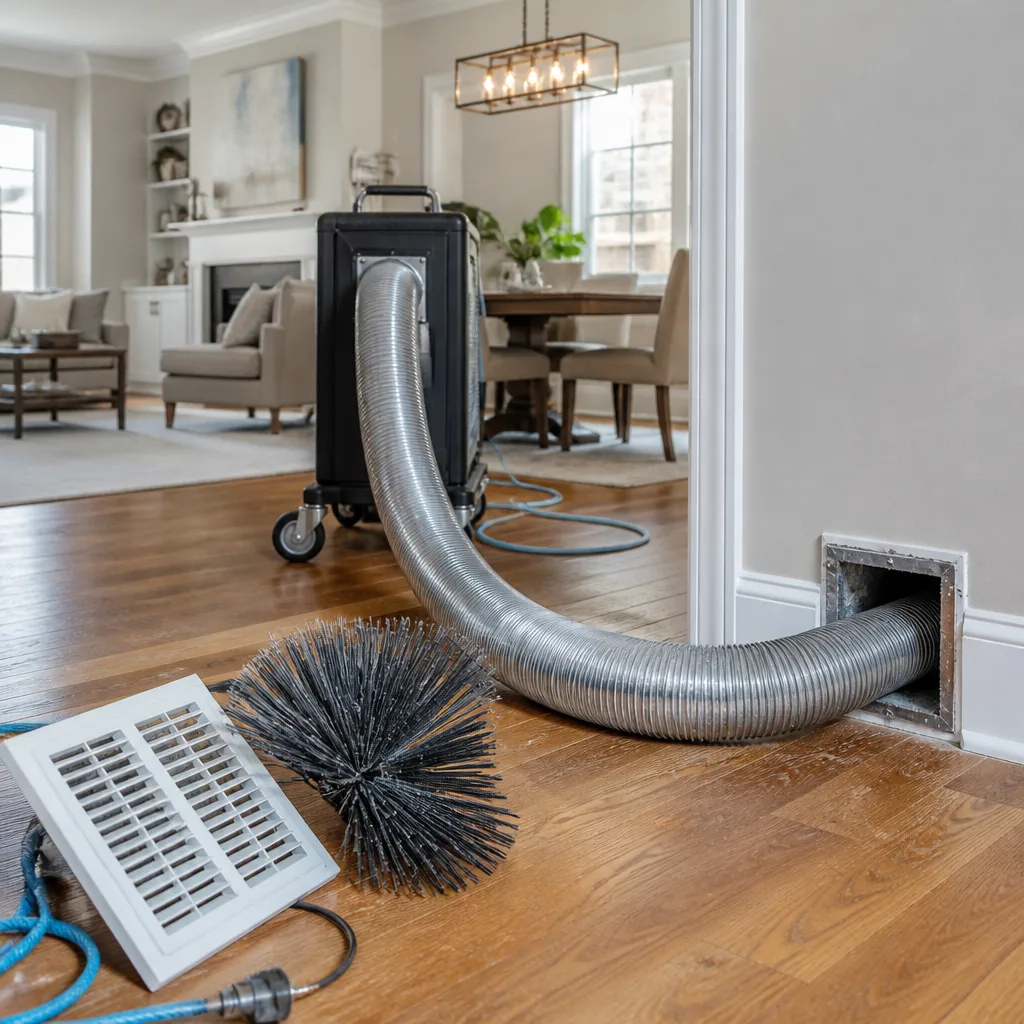 Whole-home duct cleaning
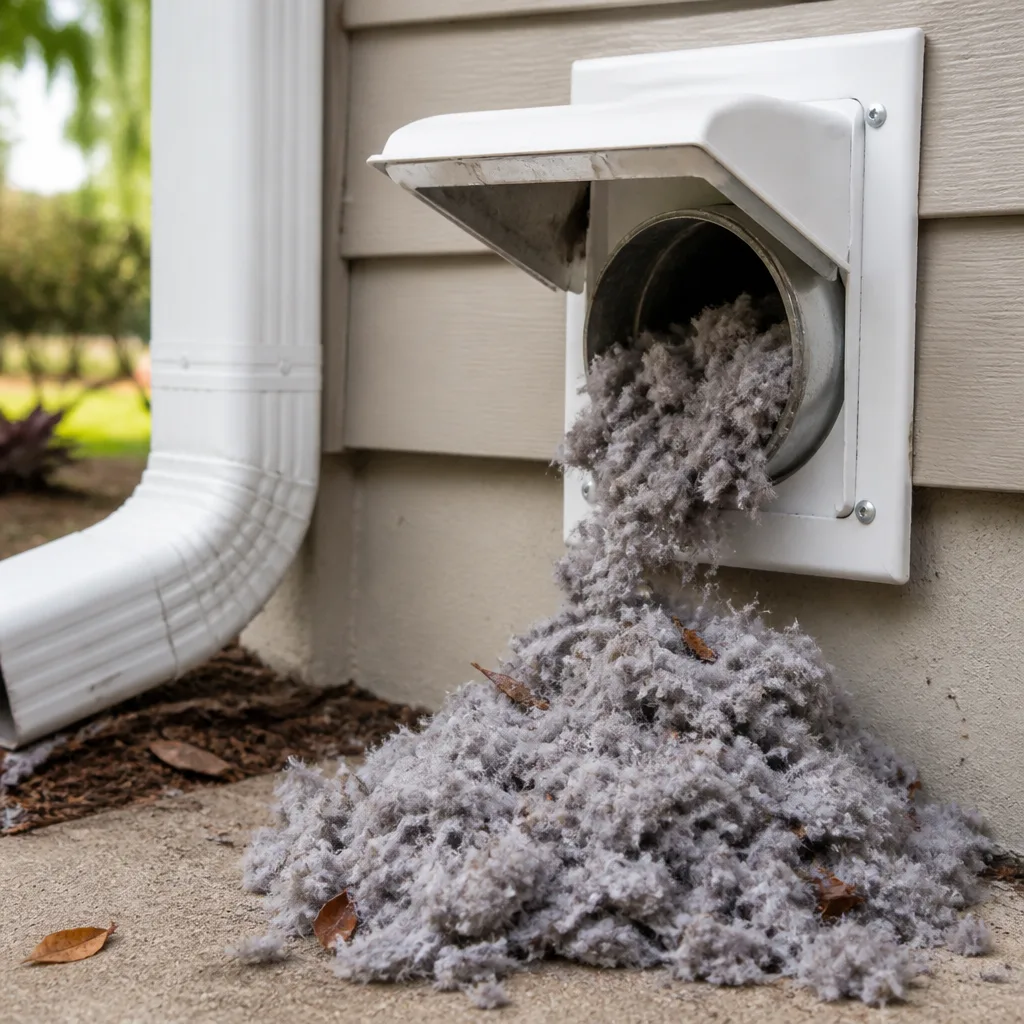 Dryer vent cleaning
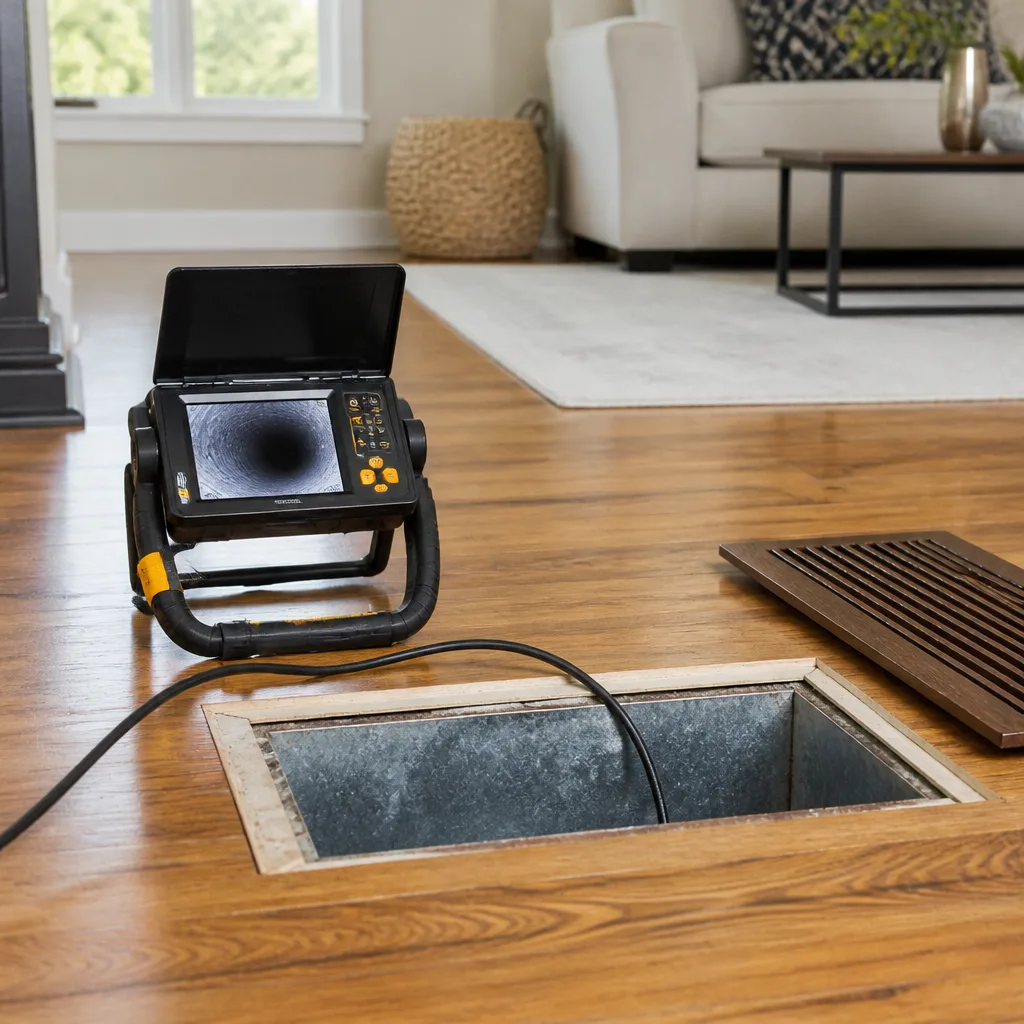 Camera inspection
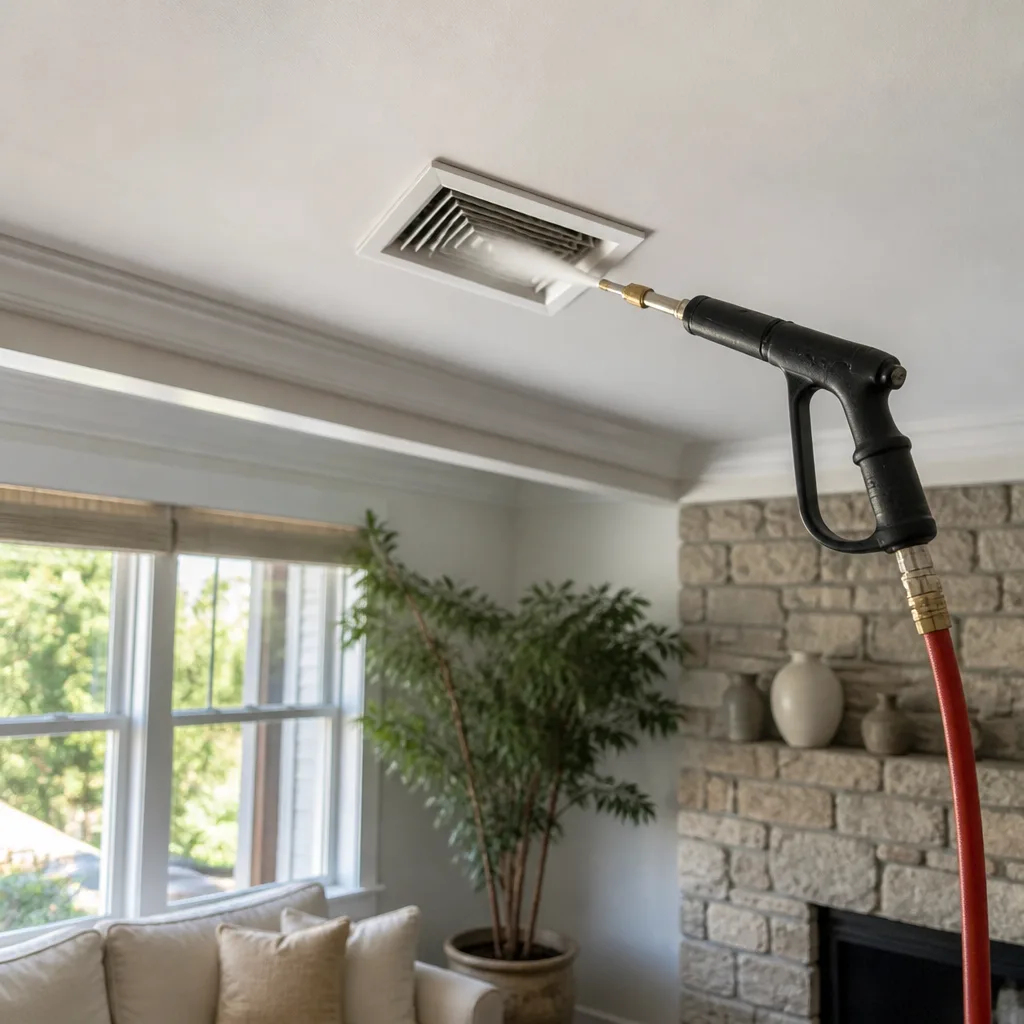 Sanitizing & deodorizing
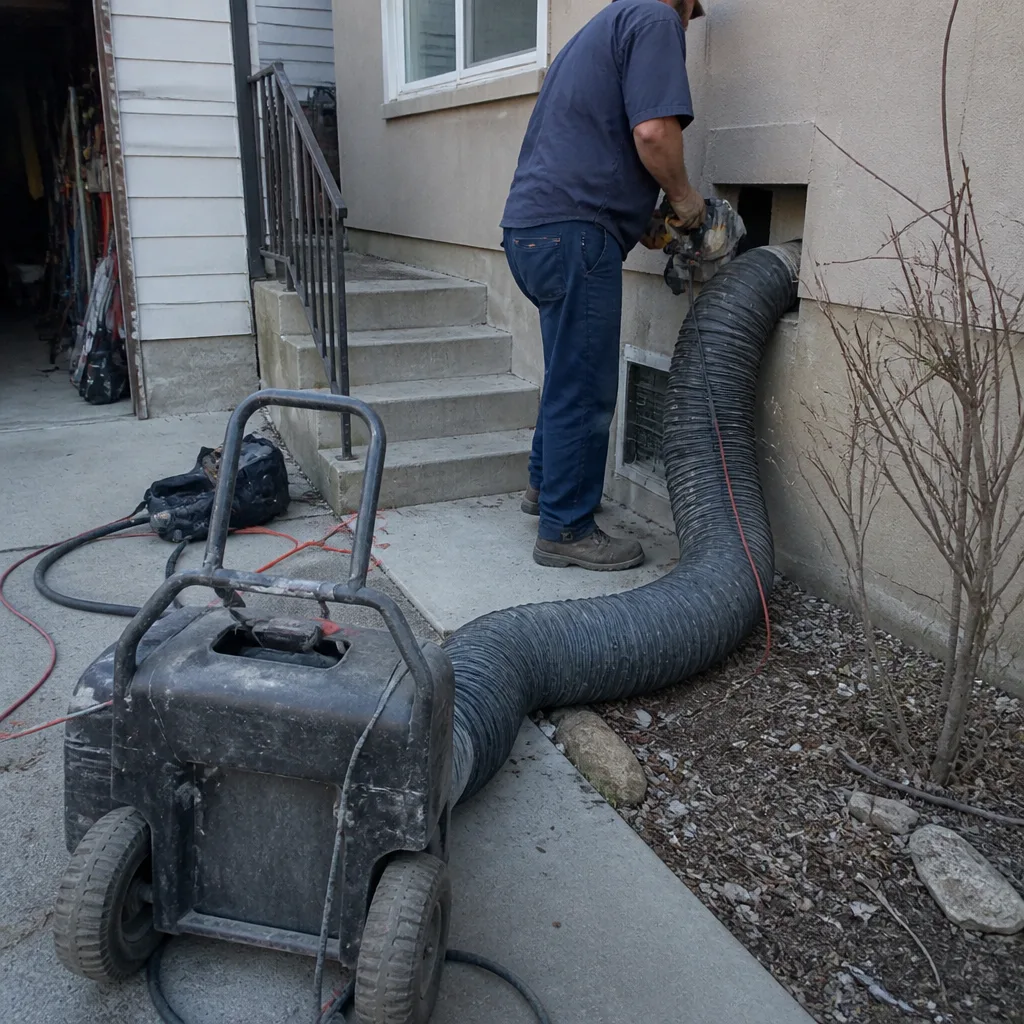
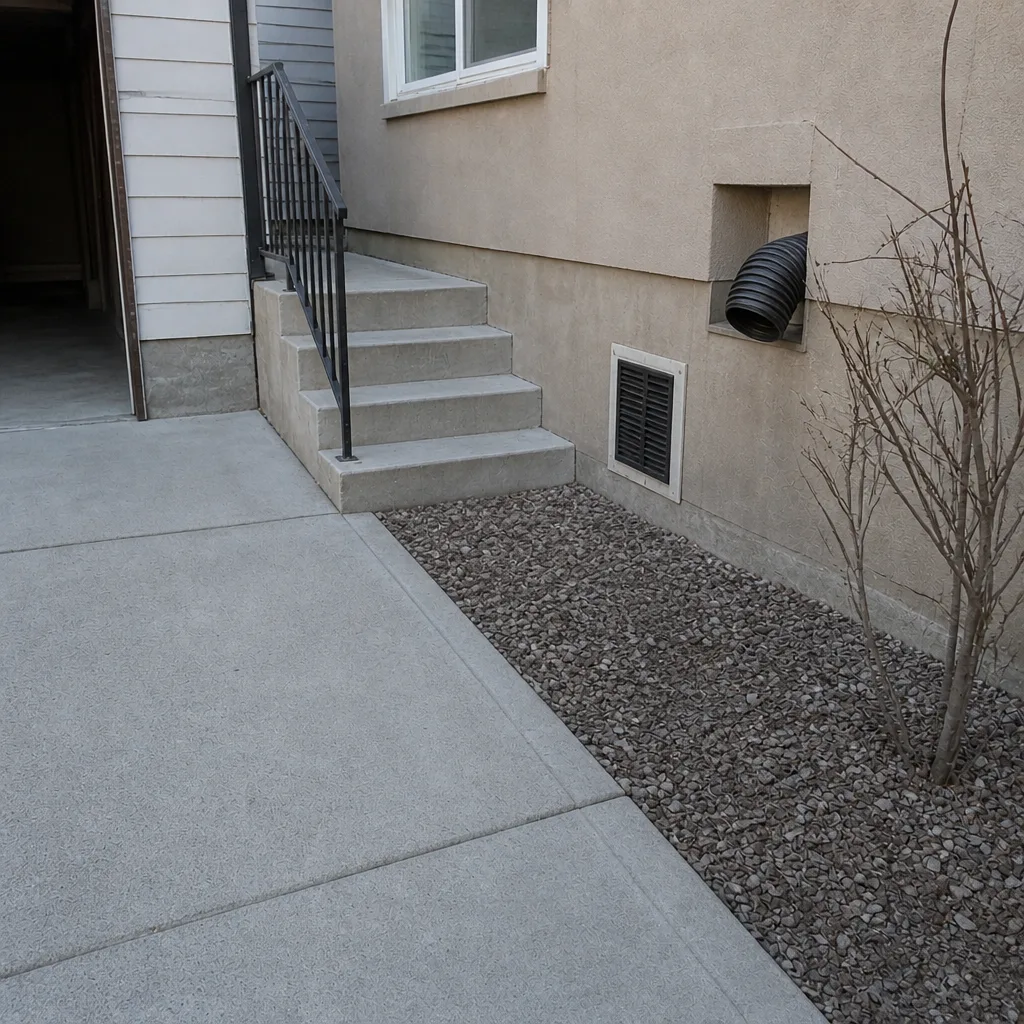
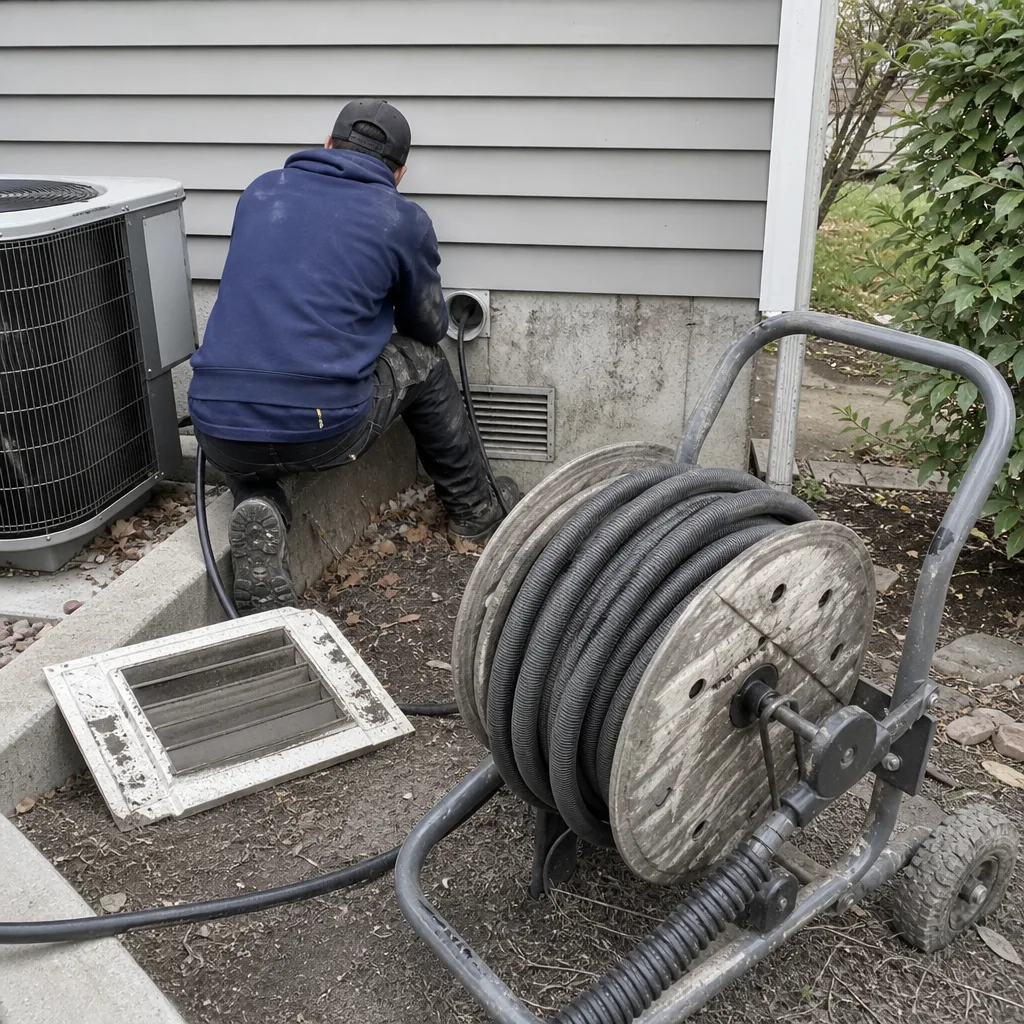
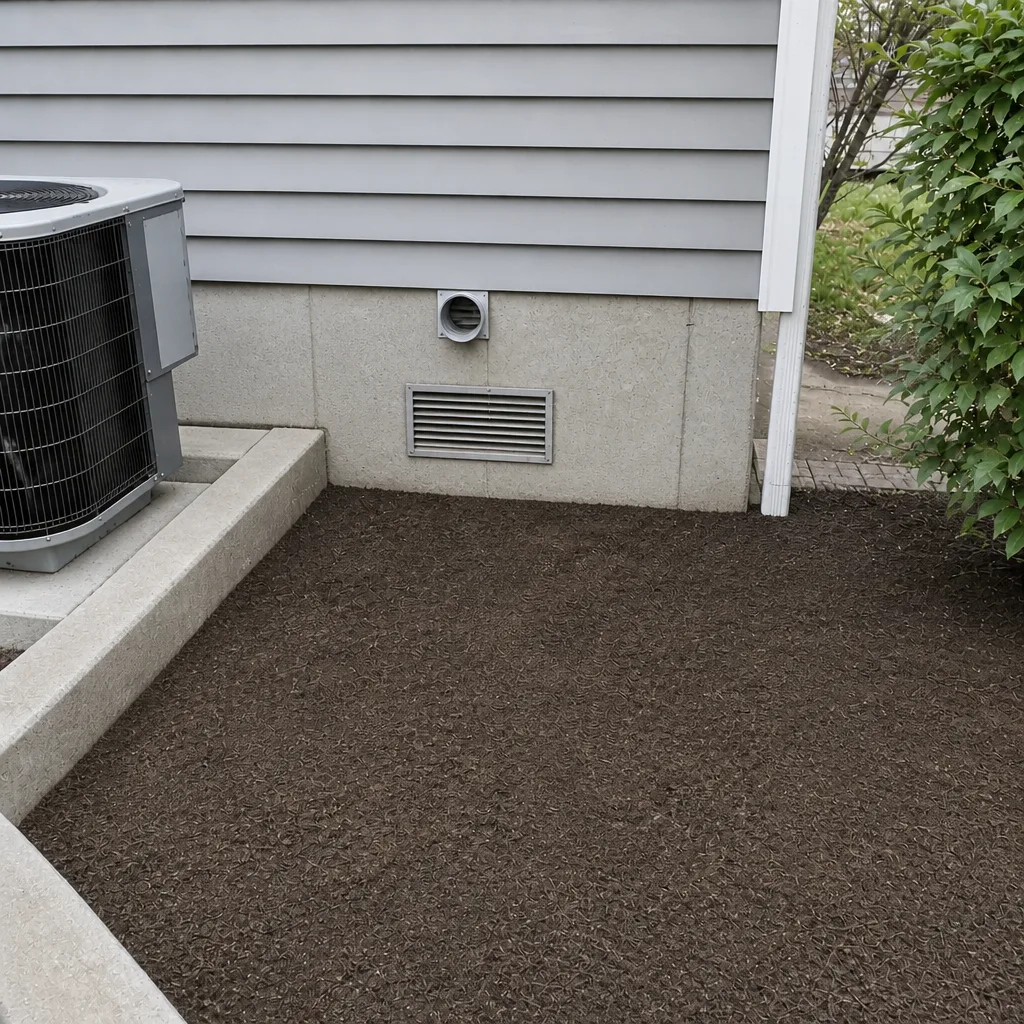
Whole-system duct and dryer vent check with before-and-after photos - you see exactly what came out of your vents
That "$99 whole-house special" is a bait ad - the real number appears once they are in your hallway, or the "clean" is a shop-vac at the register. We photograph the inside of your ducts before and after instead.
How to Hire an Air Duct Cleaning Contractor in Provo: A Step-by-Step Guide
Most homeowners in Provo shop for duct cleaning the way they shop for a haircut: cheapest advertised price, soonest opening. That approach works fine when the stakes are low. It fails badly here, because the gap between a $49 coupon and a real whole-system cleaning is not a small gap in quality. It’s a different job entirely. In Utah, anyone with a vacuum and a business card can legally call themselves a duct cleaner, which means the vetting falls on you. This guide walks through the credentials worth checking, the phone questions that expose undertrained operators in minutes, and the written scope you should have in hand before a single vent comes off. We’ll also cover how to verify the work afterward. Homeowners in Provo deserve that clarity before they sign anything.
Quick Answer
To hire an air duct cleaning contractor in Provo, verify five things before booking: current NADCA membership, a certificate of general liability insurance, proof of HEPA-filtered negative-pressure equipment, an active Utah business registration, and local customer references with street addresses. Then demand a written scope of work that names the square footage covered, the equipment being used, whether coil cleaning is included, and what photo documentation you’ll receive. A legitimate contractor will answer all of it without hesitation. One who won’t is telling you something.
Styles & brands we work with
- Whole-home duct cleaning
- Dryer vent cleaning
- Camera inspection
- Sanitizing & deodorizing
Table of Contents
- Why Provo Has No Duct Cleaning License to Protect You
- The Five Credentials That Separate Real Contractors from Pretenders
- The Pre-Hire Phone Call: Five Questions That Expose Undertrained Operators
- What a Written Scope of Work Must Include Before You Sign
- How to Read a Duct Cleaning Quote in Provo
- Post-Job Verification: Three Steps You Can Do Yourself
- What Makes Duct Cleaning in Provo Different
- Common Mistakes to Avoid
Why Provo Has No Duct Cleaning License to Protect You
Utah does not issue a license specific to air duct cleaning. That single fact reshapes the entire hiring process. In a licensed trade like electrical work, the state has already filtered out the untrained. With duct cleaning, no one has. A contractor with a pickup truck, a consumer shop vacuum, and a printed coupon can legally advertise the same service as a company running commercial-grade equipment. The homeowner bears the full weight of due diligence.
What licensing does exist in Utah covers adjacent trades: a general contractor license for construction work above a certain dollar threshold, and HVAC contractor licensing for work on heating and cooling systems. A duct cleaning company may hold neither and still be operating lawfully. That’s not a loophole in the law so much as a gap between what the statute covers and what the market sells.
The practical consequence for Provo homeowners is this: you cannot verify competence through a government database. You have to verify it through the contractor’s own documentation and by asking questions that only a trained operator can answer well. Both are covered in the sections below.
One more point worth understanding. Utah’s dry climate, combined with the inversions that settle over Utah Valley during winter, means Provo homes accumulate fine dust in ductwork faster than homes in more humid regions. Fine particulate is exactly what cheap equipment fails to capture. A shop vacuum without HEPA filtration doesn’t remove fine dust from your ducts; it lifts it into the airstream of the room. So the equipment question isn’t a luxury-upsell question. In Provo, it’s the whole ballgame.
The Five Credentials That Separate Real Contractors from Pretenders
These five items are the filter. Ask for all of them. A legitimate contractor will produce every one, usually without being pushed. If two or more are missing, stop the process there.
1. NADCA Membership
The National Air Duct Cleaners Association sets the industry’s technical standard, publishes a code of ethics, and offers certification for technicians. Membership isn’t mandatory, which is precisely why it’s useful: a contractor who joined did so voluntarily and had to meet something to stay. Ask for the member number and verify it on NADCA’s website rather than taking a logo on a website as proof.
2. General Liability Insurance Certificate
Ask for a certificate of insurance naming the company and showing active general liability coverage. Have it sent directly from the insurance agent, not forwarded as a PDF attachment from the contractor’s phone. Duct cleaning involves entering your home, working inside walls and ceilings, and moving equipment across floors. If something gets damaged, the certificate is what determines who pays. A contractor who can’t produce one is asking you to carry the risk.
3. Proof of HEPA-Filtered Negative-Pressure Equipment
This is the technical heart of a real job. Negative pressure means the vacuum pulls air out of the duct system and holds the dust inside a sealed container rather than releasing it into your living space. HEPA-rated filtration captures particles down to the microscopic range. Ask for the equipment model name. Contractors using professional-grade Rotobrush or Nikro systems can tell you immediately. Contractors using hardware-store vacuums tend to get vague.
4. Active Utah Business Registration
This is a low bar, but it’s a bar. Verify the business name and address through the Utah Division of Corporations. It confirms the entity exists, pays taxes, and can be held accountable. A door-to-door operation working from an out-of-county address with no registration is a name and a phone number that may not exist next month.
5. Customer References with Street Addresses
Anyone can offer testimonials. A real contractor can give you two or three Provo-area customers willing to be contacted, ideally with addresses in neighborhoods like Grandview or Indian Hills. Reference availability tells you two things at once: the company has done volume in your area, and they’re confident the work held up.
The Pre-Hire Phone Call: Five Questions That Expose Undertrained Operators
You can usually sort a competent duct cleaning contractor from an undertrained one in under five minutes. The questions below are deliberately technical. Someone who cleans ductwork for a living will answer each one in plain terms. Someone who doesn’t will give you a longer, softer answer that says nothing. Listen for the shape of the reply, not just the content.
- “What agitation method do you use?” The answer should name a mechanical method: a rotary brush system or compressed-air whip. Agitation is what breaks loose the dust bonded to duct walls. Vacuum alone removes only what’s already floating. If the answer is “we just vacuum,” you’re talking to a surface cleaner, not a duct cleaner.
- “Do you clean the AHU cabinet?” AHU stands for air handling unit. The cabinet houses your blower, and the blower wheel is a magnet for buildup. A contractor who cleans registers and ducts but skips the cabinet is leaving a significant portion of the system untouched. If the answer is “that’s extra,” ask what exactly is included.
- “What’s your vacuum rated to, and how do you confirm negative pressure?” A professional contractor can name their equipment and explain how they hold the system under negative pressure while agitation runs. Some perform pressure readings before and after and can show you a log. This is the single most revealing question on the list.
- “Does your quote include the supply side, the return side, or both?” Half-system cleaning is common in cheap quotes. Return ducts often carry the heaviest dust load because that’s where the air is pulled toward the system before filtration. Confirm both sides are covered in writing.
- “What does your post-job documentation look like?” Photo documentation of before and after at several points in the system should be standard. If a contractor can’t articulate what they’ll show you when the job is done, they either don’t do it or don’t consider it part of the service.
Write down the answers. If you’re comparing three contractors, the notes will make the decision obvious. In our experience, the ones who hesitate on question three are the ones whose equipment can’t back up the price they’re quoting.
What a Written Scope of Work Must Include Before You Sign
Verbal promises are not a scope. Before any work begins, you should hold a written document that a future dispute can be settled against. The following items are the minimum. If a scope is missing more than one, ask for a revised version.
- Square footage of ductwork addressed. This number does two things: it defines the job, and it reveals whether the contractor measured anything. A quote with no footage cited is a guess wrapped in a number.
- Equipment model used. Specific manufacturer and model names. Rotobrush and Nikro are the professional-grade benchmarks. If the scope lists “professional vacuum equipment” without a model, that’s not specific enough to verify.
- Coil cleaning: included or excluded. Evaporator coils sit in the air pathway and collect debris. Coil cleaning is often quoted separately because it’s a distinct task. Either is fine as long as the scope says which.
- Photo documentation deliverable. Specify how many photos, which locations in the system, and when you’ll receive them. Same-day is reasonable; before final payment is essential.
- The number of vents and registers covered. If you have a 2,200-square-foot house with 18 registers, the scope should say so. Per-vent pricing is a red flag discussed in the next section.
- Payment terms. What’s due when, and what happens if the work doesn’t match the scope.
For context on what a full-system job involves, the typical air duct cleaning service covers agitation of supply and return lines, negative-pressure extraction, AHU cabinet cleaning, and register removal and reinstallation. That’s the baseline. Anything less should be priced as less.
How to Read a Duct Cleaning Quote in Provo
A legitimate quote in Provo is either a line-item breakdown or a flat rate built from an in-person assessment. A flat-rate quote delivered over the phone with no visit and no footage measurement is a structural red flag. It’s not a price; it’s a hook. The technician arrives, finds “more buildup than expected,” and the number moves.
Line-item quotes look like a list of tasks with individual prices: agitation of supply lines, agitation of return lines, AHU cabinet cleaning, coil cleaning if included, sanitizing if selected, dryer vent service if requested. You can compare two line-item quotes directly. Flat-rate quotes with no assessment can’t be compared, because they don’t describe the same job twice.
Watch for the bait-and-switch pattern specifically. A very low advertised figure, a phone booking with no site visit, and a technician who arrives and revises upward. The honest version looks different: an in-person assessment, a written figure based on what’s actually there, and agreement on that figure before work starts. One flat price per system, agreed in advance, is the model to look for.
Two more quote-reading rules. First, per-vent pricing on a whole-system job signals the contractor is pricing tasks rather than systems. Second, ask what happens if the assessment reveals something the quote didn’t anticipate. A good contractor will tell you they’ll stop, explain, and re-quote, not proceed and bill.
Duct cleaning in Provo sits alongside other air pathway work that’s often bundled. If you’re also considering HVAC cleaning, ask whether the two can be scoped together so you’re not paying for two assessments. And if you’ve noticed your dryer taking longer to dry clothes, dryer vent cleaning is a separate service that belongs on the same call. Lint accumulation in dryer vents is a fire risk and a maintenance item, not an optional add-on.
Post-Job Verification: Three Steps You Can Do Yourself
You don’t need equipment to confirm the work was done. You need attention and a couple of simple comparisons. Do these before the technician leaves the property, while there’s still a chance to address anything that looks off.
- Airflow comparison at registers. Run the system before and after, then hold your hand at several registers around the house. Flow should be stronger and more consistent. Pay particular attention to registers at the end of long runs, where a duct cleaner would expect improvement. If one register is noticeably weaker than the others after cleaning, ask why.
- Filter inspection. Check the furnace filter after the job. A new filter will show the system pulling clean air. If the filter looks freshly loaded with debris, something wasn’t contained properly during the work.
- Ask for the negative-pressure log. Some contractors record pressure readings before and after. Ask for them. Even if they don’t log those readings, the request tells you whether they know what negative pressure means in practice.
Add a fourth step if you can manage it: take photos of a few registers and visible duct openings before the job and after. It’s the same documentation you should expect from the contractor, and having your own copy makes any follow-up conversation easier.
What Makes Duct Cleaning in Provo Different
Provo sits in a valley, and that geography matters for your ductwork. Utah Valley traps air during winter inversions, so fine particulate settles slowly and circulates through home systems across long stretches. Homes here also tend to run forced-air heating heavily through cold months and evaporative cooling or air conditioning through dry summers, which means the duct system is moving a lot of air in both directions over the year. Dust and particulate accumulate accordingly.
The housing stock adds a wrinkle. Provo has a mix of older homes near downtown and larger newer builds in the foothills and eastern bench. Older homes sometimes have ductwork that was retrofitted or partially sealed, which means runs may be short, asymmetric, or missing from some rooms entirely. Newer construction tends to be more consistent but may include flex duct with more surface area for dust to cling to. Both profiles benefit from an assessment rather than a flat quote.
Neighborhoods worth naming in your own reference conversations include Grandview, Indian Hills, Edgemont, and the tree streets near downtown. None of that changes the technical process, but local references from those areas give you a stronger basis for comparison than references from outside Utah County.
Renovation debris is another common category here. Provo has steady remodel activity, and drywall dust, insulation fibers, and construction particulate find their way into return ducts through the system running during the work. If you’ve had work done recently, that’s a legitimate reason for a professional cleaning rather than a routine one. We work with Abatement Technologies air filtration equipment in situations like these, since containment-grade filtration is what the job calls for when particulate levels are high.
Common Mistakes to Avoid
- Booking from a coupon without a site assessment. The advertised price is almost never the invoice price. Insist on an in-person assessment and a written figure before anyone schedules.
- Accepting “we’re licensed” without documentation. Utah has no duct cleaning license. A claimed license may refer to a general contractor credential that has nothing to do with ductwork. Ask for the certificate of insurance and NADCA membership instead.
- Not asking what equipment is being used. Consumer vacuums in Provo homes can do more harm than good, lifting fine dust into the room instead of removing it. Ask for model names and be skeptical of vague answers.
- Assuming a per-vent price means the whole system. Per-vent pricing can leave the AHU cabinet, the coil, and long runs untouched. Ask what’s outside the per-vent scope, then ask what that would cost.
- Skipping the after-photos. If the contractor doesn’t photograph before and after, you have no evidence the work happened. Make it a condition of final payment.
- Forgetting the dryer vent. It runs the same call. A clogged dryer vent is a fire risk that doesn’t announce itself until it’s serious. Have it assessed while the equipment is there.
- Not checking Utah business registration. A phone number and a truck aren’t a business you can hold accountable. Two minutes on the state’s division of corporations site tells you if the entity exists.
See the difference
 Before
 After
 Before
 After
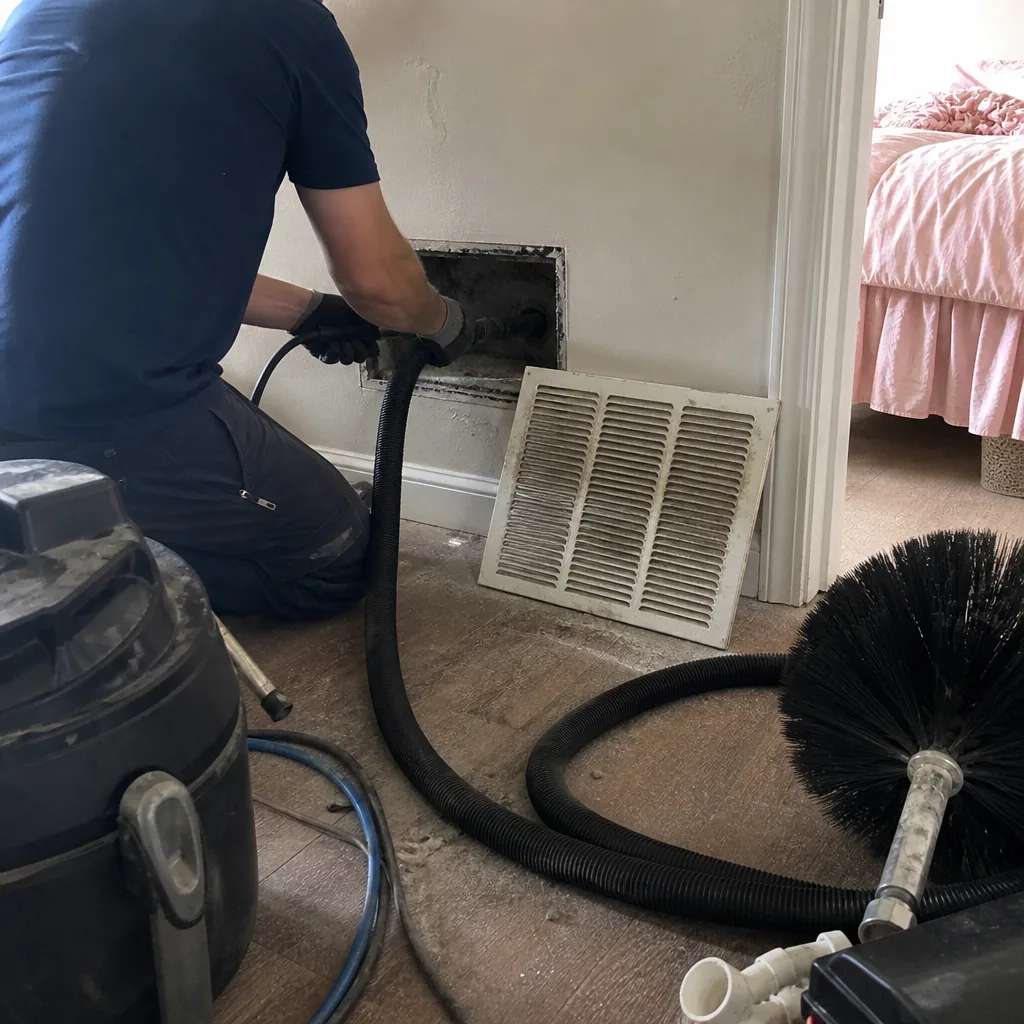 Before
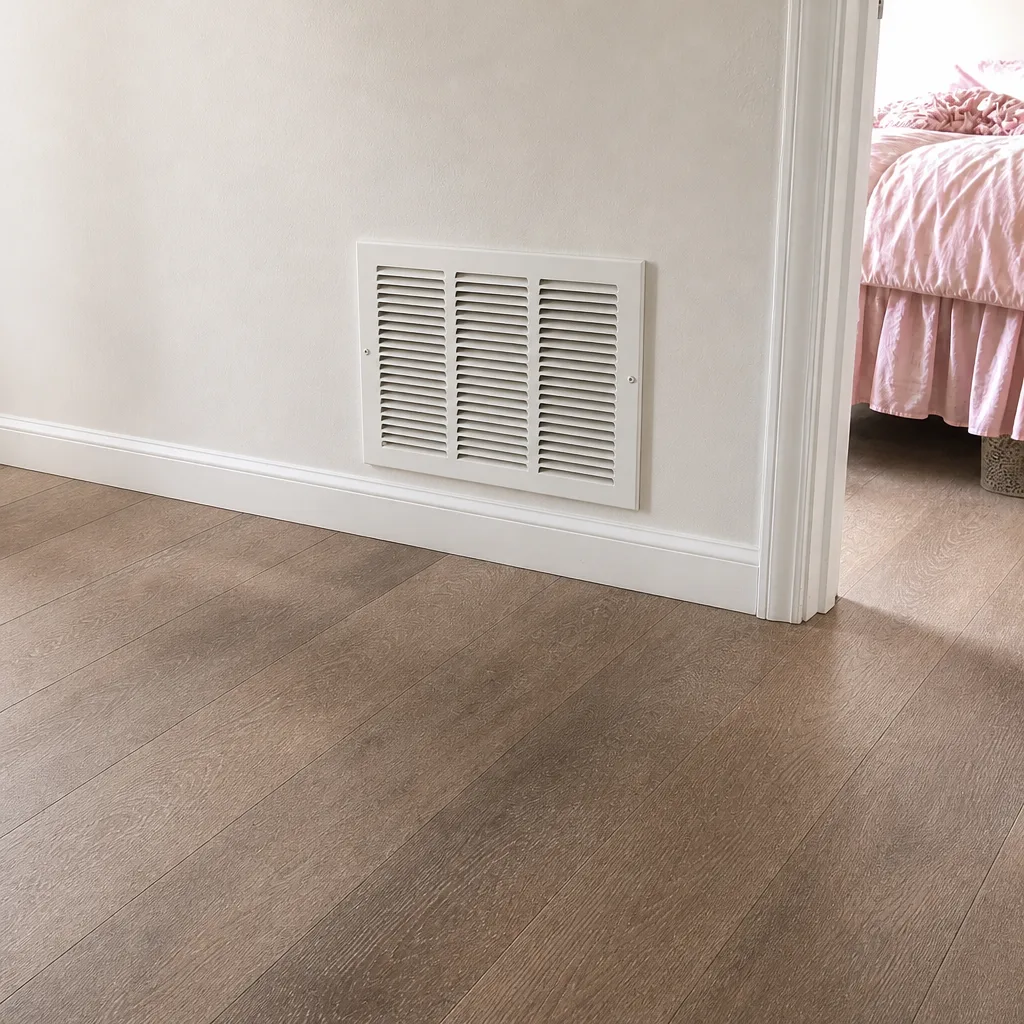 After
When to Call a Professional
Some conditions call for a professional assessment rather than a wait-and-see approach. Visible dust streaming from registers when the system kicks on is one. Unexplained allergy or asthma symptoms that worsen indoors, especially after the heating season starts, is another. Noticeable drop in airflow at registers across the house, particularly at the ends of runs, suggests buildup or a sealing problem. Post-renovation debris in return ducts is a clear signal. So is a dryer vent that’s stopped exhausting properly. Persistent musty odor in the duct system after a clean is a reason to call back, not ignore. Provo Air Duct Cleaning offers free estimates in Provo. Call (855) 658-4391. We answer 24/7. Fast dispatch from 7am to 7pm, Sunday through Friday.
Frequently Asked Questions
Cost depends on system size, the number of registers, and whether coil cleaning or sanitizing is included, so it’s set per job by a written estimate after an in-person assessment. Quotes given over the phone without a visit are not reliable. A legitimate contractor will assess the system before giving you a figure. For an exact quote on your Provo home, call (855) 658-4391. Estimates are free.
Cheap quotes usually describe a different, smaller job: vacuuming of registers and visible duct openings without agitation, without AHU cabinet cleaning, and without HEPA-rated containment. The equipment cost difference between a consumer shop vacuum and a professional Rotobrush or Nikro system is substantial, and so is the labor. A low figure isn’t necessarily a scam, but it should come with a scope that explains what’s excluded. Ask for the scope in writing before booking, and call (855) 658-4391 to compare what a whole-system estimate includes.
Ask for before-and-after photos taken at specific points in the system, and check airflow at registers yourself before and after the job. A contractor who documents their work will hand over photos of your own ducts, not stock images. If pressure readings are available, ask to see them. Call (855) 658-4391 for an estimate and to see how documentation is handled.
Most homes in Provo benefit from a professional cleaning every few years, with the interval shortened after renovations, a new pet, or a household member with respiratory sensitivities. Utah Valley’s winter inversions mean fine particulate accumulates steadily, so homes here often need attention sooner than the national averages suggest. When you’re ready to schedule, call (855) 658-4391. Estimates are free.
No. Utah does not issue a license specific to air duct cleaning, which is why documentation matters so much in this industry. What you can verify instead is NADCA membership, a general liability insurance certificate, active Utah business registration, and references with local addresses. A contractor who can produce all four is a safe bet. Call (855) 658-4391 to ask what documentation is available on our end.
Yes, and it’s worth doing. Dryer vent cleaning addresses a recognized fire risk that builds up quietly as lint accumulates, and combining it with a duct cleaning saves a second visit. The vent should be assessed as part of the same scope discussion. Call (855) 658-4391 for a combined estimate.
Mechanical agitation equipment (a rotary brush system or air whip), HEPA-rated negative-pressure extraction, and containment measures at the system access points. Professional-grade names to listen for include Rotobrush and Nikro. If the equipment on the truck looks like a shop vacuum from a hardware store, the job description and the price should reflect that. Call (855) 658-4391 with questions about what a full-system cleaning involves.
The Bottom Line
Hiring a duct cleaning contractor in Provo comes down to documentation and technical questions. Five credentials to verify: NADCA membership, general liability insurance, HEPA-rated negative-pressure equipment, Utah business registration, and local references with addresses. Five questions to ask before booking: agitation method, AHU cabinet coverage, pressure readings, supply and return scope, and post-job photo documentation. A written scope that names the footage, the equipment, the coil decision, and the photo deliverable. And a post-job check of airflow and filters before final payment. The contractors who can satisfy all of it are the ones worth calling. The ones who can’t are the reason this guide exists.
Provo Air Duct Cleaning connects homeowners with independent local professionals who work with professional-grade equipment, including Rotobrush and Nikro systems, and who understand that the full air pathway is the one that matters. Whether you’re dealing with dust buildup, allergy symptoms, post-renovation debris, or a dryer vent that needs attention, a proper assessment comes first. The company also works with trusted air quality brands like Honeywell for homeowners who want a filtration upgrade once the ducts are clean. Visit the Provo Air Duct Cleaning home page to see the full range of services. To schedule a free estimate in Provo, call (855) 658-4391. We answer 24/7. Fast dispatch from 7am to 7pm, Sunday through Friday.
Written by the team at Provo Air Duct Cleaning.