
Last updated November 24, 2026
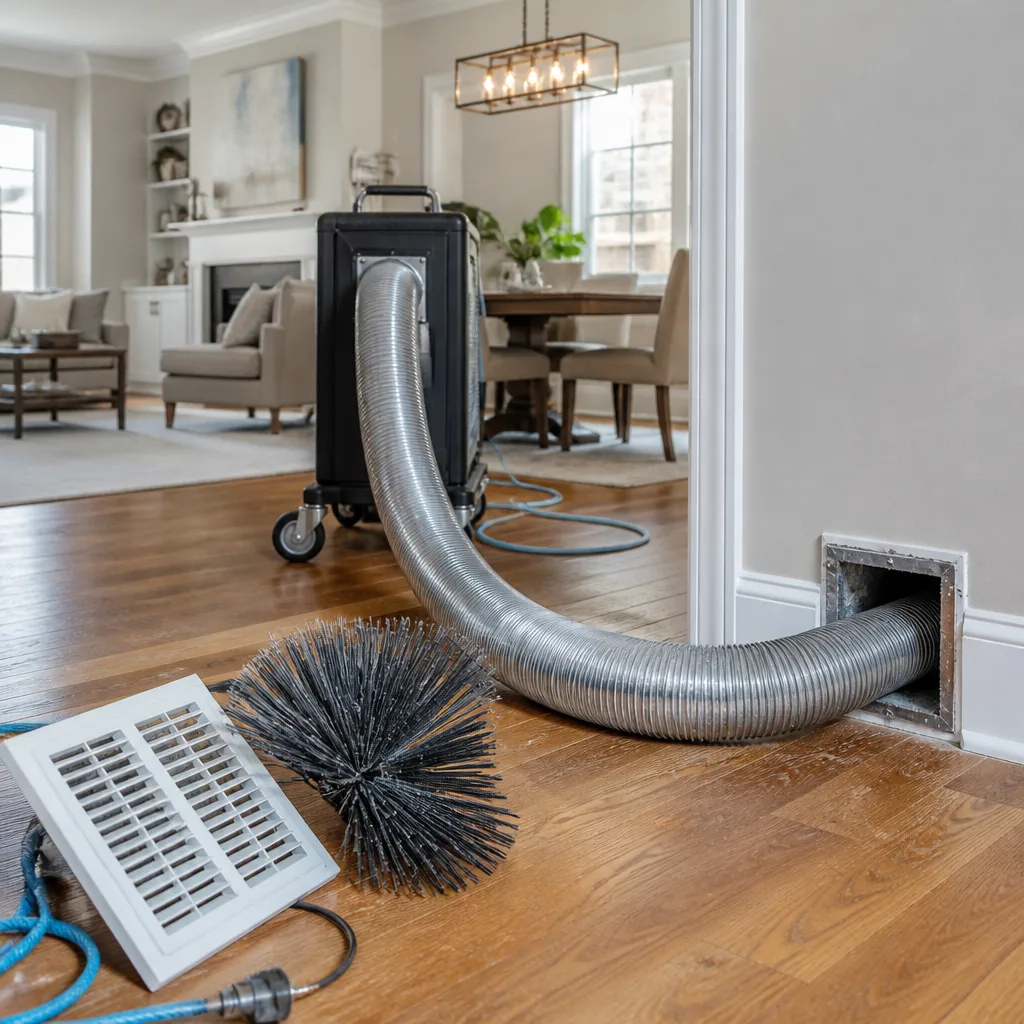 Whole-home duct cleaning
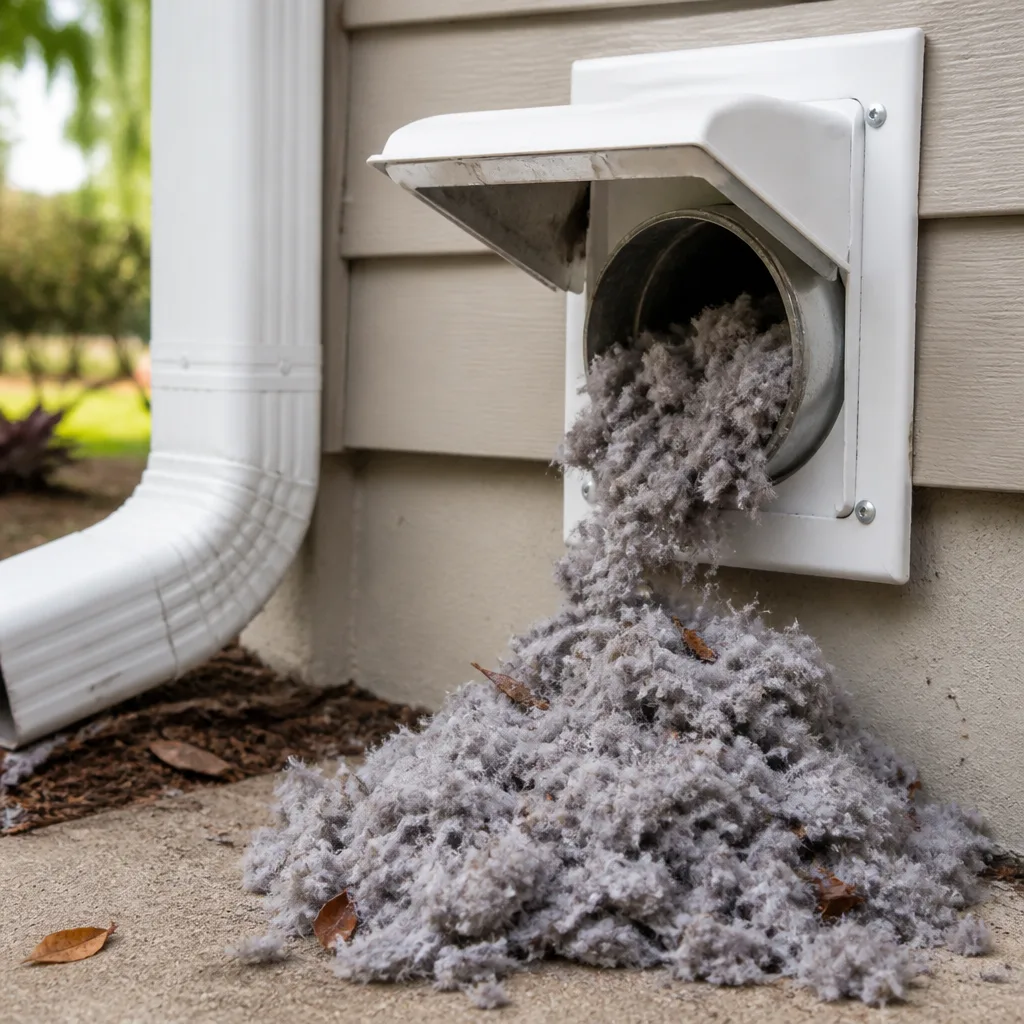 Dryer vent cleaning
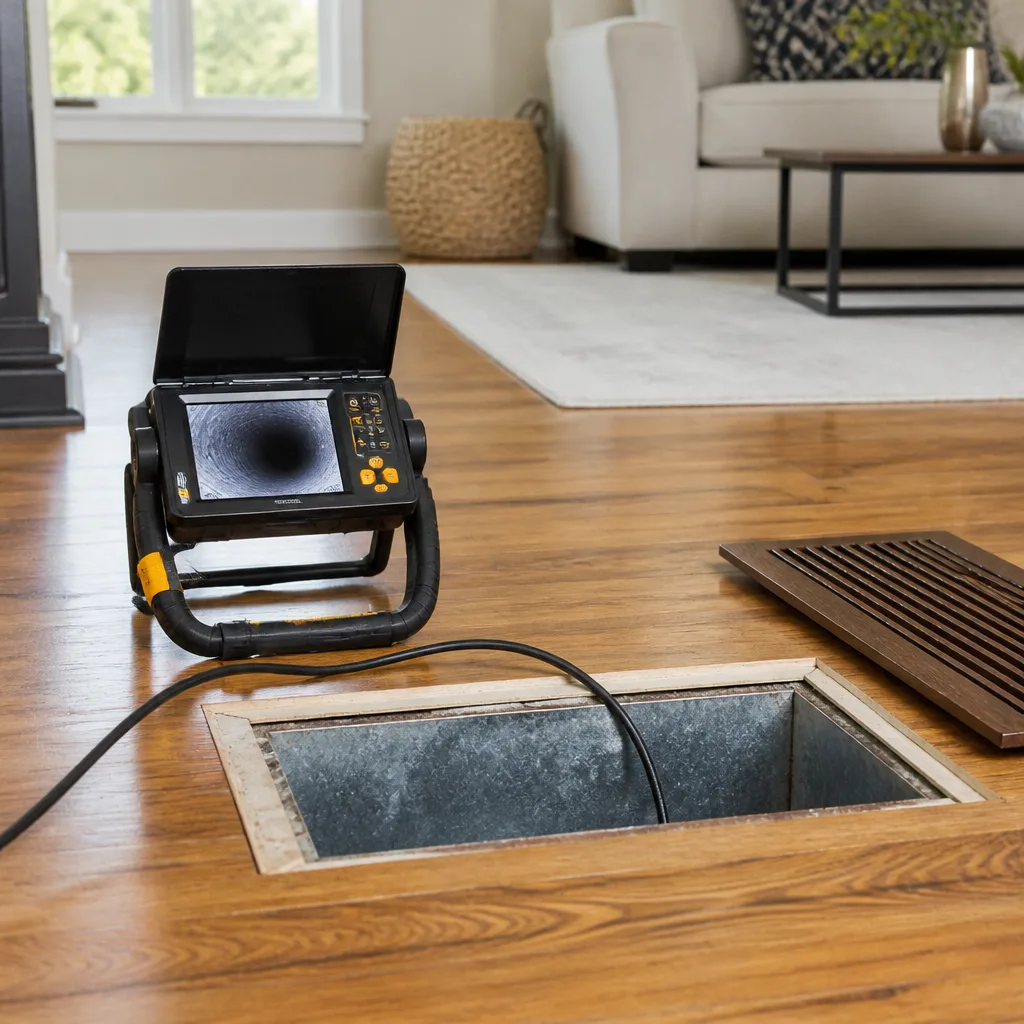 Camera inspection
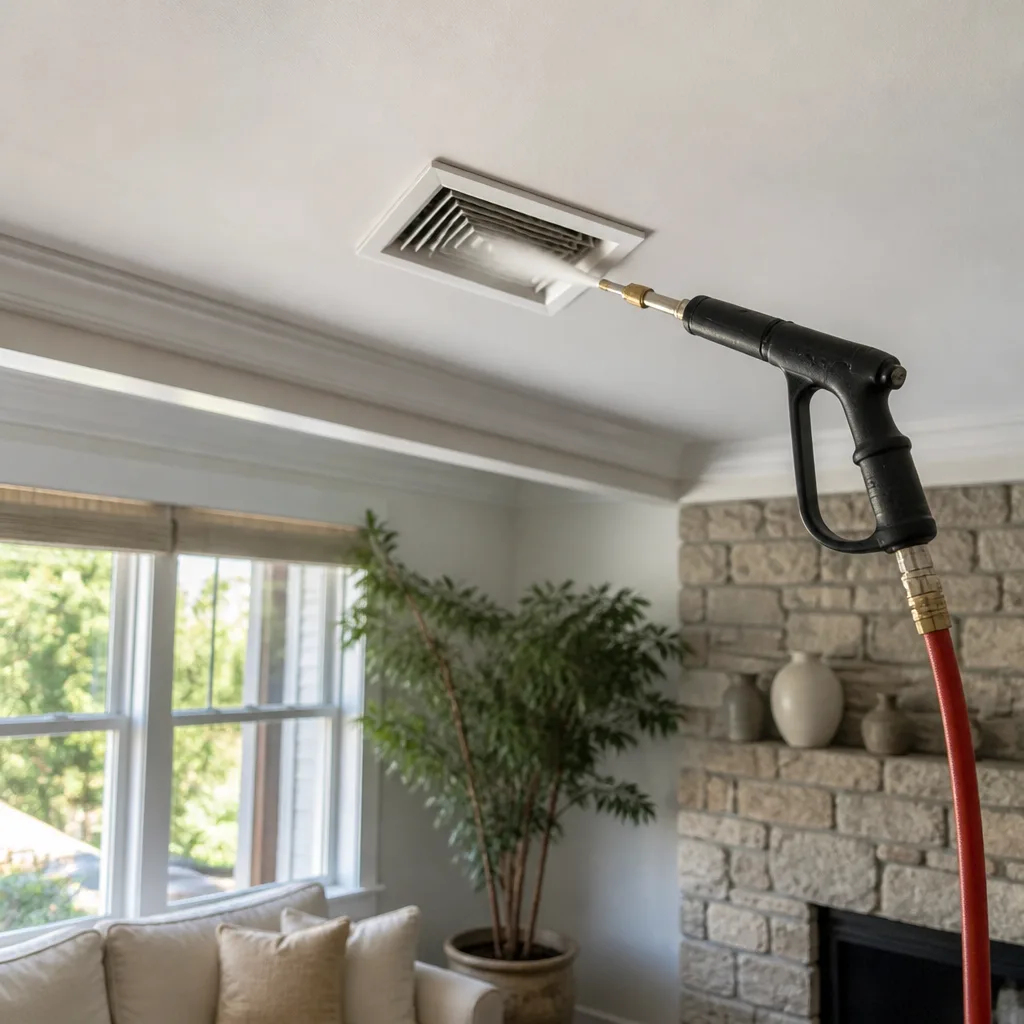 Sanitizing & deodorizing
Whole-system duct and dryer vent check with before-and-after photos - you see exactly what came out of your vents
That "$99 whole-house special" is a bait ad - the real number appears once they are in your hallway, or the "clean" is a shop-vac at the register. We photograph the inside of your ducts before and after instead.
Air Duct Cleaning Emergency Preparedness Guide for Provo Homes
Most homeowners treat duct cleaning as a maintenance chore, something to get around to every few years when the registers look dusty. That framing misses the emergencies. Wildfire smoke rolling down the Wasatch Front, an earthquake that racks the whole house, a water heater that lets go next to the return plenum: each of these pushes contamination into your ducts in a way ordinary dust never does, and each one has a response clock. The 2020 Magna earthquake left plenty of Utah County homes with duct joints pulled apart behind the drywall. The furnace still ran. The house still felt warm. But unfiltered crawlspace air was slipping past connections no one had checked. In this guide we’ll walk through Provo’s most likely duct emergencies, the specific protocols for each, and how to prepare before anything happens.
Quick Answer
Duct emergencies in Provo fall into three categories: smoke infiltration from wildfire season, physical displacement of duct connections after an earthquake, and moisture intrusion from flooding or plumbing failures. Each needs a different response, but all three share one rule: act within 48 to 72 hours before contamination bonds to duct surfaces or mold colonizes the system. Preparation before an event matters as much as the response after.
Styles & brands we work with
- Whole-home duct cleaning
- Dryer vent cleaning
- Camera inspection
- Sanitizing & deodorizing
Table of Contents
- Wildfire Smoke Infiltration: The 72-Hour Duct Protocol
- Earthquake Damage: Inspecting Duct Connections Without Opening Walls
- Flood and Moisture Events: The 48-Hour Mold Window
- What Utah Homeowner’s Insurance Covers and What It Doesn’t
- Documenting Duct Damage for a Claim
- Pre-Event Preparedness: What to Do Before Anything Happens
- Why Equipment Grade Matters in Emergency Work
- Common Mistakes to Avoid
Wildfire Smoke Infiltration: The 72-Hour Duct Protocol
Provo sits in a valley where smoke from fires in the surrounding mountains and further afield can settle for days. The Utah Valley’s geography traps particulate in ways that coastal or plains cities don’t experience. Fine smoke particles are small enough to pass through standard furnace filters and lodge in the duct lining, and once they settle, they don’t improve with time. Here’s the sequence we recommend and why each step matters.
- Seal the system, don’t run it. When smoke is visibly heavy outdoors, turn the HVAC off and close the fresh-air intake if your system has one. Running a system that pulls outside air during a smoke event draws particulate straight into the ductwork, and the filter only catches a fraction of it.
- Run standalone HEPA purifiers, not the HVAC. A portable HEPA purifier scrubs the room air without pushing contaminants through ducts. Cycling the HVAC during heavy smoke spreads fine particulate to every room, including the ones you’ve already cleaned.
- Assess once the air clears. After the smoke event passes, check registers and the filter. A dark film on the filter, a smoke odor when the system kicks on, or visible residue around vents all point to duct-level contamination.
- Flush the ducts within 72 hours. Smoke particulate begins bonding to duct surfaces and insulation within roughly three days. Cleaning inside that window removes it while it’s still loose; after it, mechanical agitation becomes necessary to dislodge what’s settled in.
For Provo homes near the mountain benches, where smoke tends to pool on still nights, the exposure can be heavier than at valley floor addresses. If you’ve been through a significant smoke event and the system still smells of it a week later, the particulate has likely bonded. Professional air duct cleaning with a rotary brush system is the appropriate response at that point. A standard shop-vac approach won’t dislodge what’s fused to the duct walls.
Earthquake Damage: Inspecting Duct Connections Without Opening Walls
Duct systems are among the most earthquake-vulnerable parts of a house because they’re long, semi-rigid, and connected at multiple joints. During the 2020 Magna earthquake, many Utah County homes had duct connections displaced by the shaking, and neither the homeowner nor the insurance adjuster caught it during the initial damage assessment. The house heated and cooled normally, so nothing seemed wrong. Behind the walls, though, gaps had opened at flex duct collars and plenum connections, and outside air was now bypassing the filtration system entirely.
You don’t need to open walls to do a preliminary inspection. Here’s what to check yourself:
- Look at the flexible duct where it connects to the air handler and to the trunk line. A properly seated connection is snug and sealed; a displaced one shows a visible gap or a collar pulled away from the duct.
- In basements and crawlspaces, look for ducts that have dropped off their hangers or sagged where they were previously level.
- Check the plenum connection at the furnace and the return plenum at the air handler. Any measurable separation is a problem.
- Walk the house listening for whistling at registers or a “whooshing” sound in the walls – both suggest a leak somewhere in the system.
- Sniff for crawlspace air in rooms adjacent to the mechanical closet. A distinctive musty or earthy smell when the system runs points to a disconnected return.
- Look at the filter. If dust is accumulating on the downstream side (the side facing the blower), unfiltered air is finding a path around it.
If any of those check out, don’t open a wall yet. A technician can run a pressure test to confirm the leak and locate it without demolition. Duct repair and sealing is part of the full-system work we handle, and it’s often a much smaller job than homeowners fear. The key point is to check after any strong shaking, not just when something visibly breaks.
Flood and Moisture Events: The 48-Hour Mold Window
Whether it’s a plumbing failure, a water heater leak, a basement flood, or snowmelt intrusion, standing water near the return plenum or air handler is a serious duct emergency. The reason is timing. Mold spores exist everywhere in the air, and given moisture plus a food source like dust or paper-faced duct insulation, colonization can begin within 48 hours. Every hour the system sits wet reduces the odds of a clean recovery.
Here’s the sequence for a moisture event:
- Stop the water. Shut off the leak, whether that means a valve, the water main, or the appliance. Don’t wait for a technician to do this step.
- Shut down the HVAC. If any part of the air handler, plenum, or ductwork has been wet, running the system pushes moisture and spores into every room served by the ducts. Off is safer than on.
- Document before you dry. Photograph water lines, wet insulation, and any visible duct proximity before moving anything. Insurance adjusters need to see the original state.
- Start drying within 24 hours. Blowers, dehumidifiers, and open windows if outdoor humidity allows. The goal is to return the space to dry within 48 hours of the water event; past that, professional drying and assessment become much more necessary.
- Get an assessment before restarting the system. Even if the water didn’t obviously enter the ducts, a contaminated return plenum can feed spores into the whole system. A duct cleaning and sanitization is often part of the recovery in a Provo home that has had a water intrusion event.
Don’t skip the assessment. Water damage that looks cosmetic on the duct exterior can hide insulation that’s been wet and is now supporting microbial growth. Cleaning, repair, sealing, and sanitizing is the full sequence after a water event, and it’s work we do with the same filtration grade used in restoration and repair jobs.
What Utah Homeowner’s Insurance Covers and What It Doesn’t
Standard Utah homeowner’s policies generally cover “sudden and accidental” damage, and ductwork is treated as part of the dwelling structure in most policies. That means water damage from a burst pipe or appliance failure that damaged your ductwork is typically a covered event. Wildfire smoke damage is usually covered if the fire is in your vicinity and caused a loss on the property. Earthquake damage is the exception: standard Utah homeowner policies typically exclude earth movement, and separate earthquake coverage is required. If you’re in Provo and you don’t have earthquake coverage on your policy, confirm what you have before the next event, not after.
What most policies don’t cover is duct cleaning for ordinary maintenance reasons. Dust buildup, general allergy complaints, and pre-existing neglect are not covered events. Duct cleaning after a covered loss is a different story, and the difference usually comes down to documentation. The adjuster needs to see a causal link between the covered event and the contamination.
Riders worth asking your agent about:
- Earthquake coverage specifically naming ductwork and HVAC components.
- Water backup or sump overflow coverage, which often excludes duct damage unless named.
- Mold remediation coverage, often capped at a limit well below what a full duct cleaning and sanitizing job requires.
Documenting Duct Damage for a Claim
The difference between a paid claim and a denied one is often documentation. Here’s the checklist we recommend for Provo homeowners who’ve just been through an event:
- Photograph the duct layout before an event. This is the single most valuable prep step. If you’ve documented where the ducts run, how they connect, and what they look like normally, you can demonstrate changes.
- Photograph the damage at three scales. A wide shot showing context and location, a mid-shot showing the duct and its surroundings, and a close-up of the specific damage. Name every photo file with a date and location.
- Keep all receipts. The hotel, the fans, the dehumidifier rental, the temporary repair – all of it counts toward your claim documentation.
- Get a written assessment from a qualified technician. An insurance adjuster is not a duct technician. A written assessment from someone who’s run the pressure testing and done the inspection is worth far more than a verbal opinion.
- Don’t clean before you document. Cleaned duct surfaces are harder to prove damage on. Document first, clean second.
The written assessment should name the equipment used in the evaluation and the test methods. That’s usually what an adjuster will look for when deciding whether to approve the cleaning and repair.
Pre-Event Preparedness: What to Do Before Anything Happens
The best time to think about a duct emergency is before there’s one. A few hours of preparation can save days of headache and a lot of money. Our recommendation for every Provo homeowner:
- Photograph your duct layout. Every accessible run, the air handler, the plenum, the filter housing. Store the photos somewhere you can access from your phone.
- Know your air handler location. In a basement, garage, closet, or attic. Know how to shut off the HVAC at the breaker. Write down the model and serial number.
- Keep your HVAC contractor’s emergency contact in your phone. The middle of a smoke event is not the time to be searching for a number. Have it ready to call.
- Learn where your fresh-air intake is. If your system pulls in outdoor air, know how to close it off. This matters most during a wildfire smoke event.
- Locate your return plenum. The return is the air intake side of the system. In most Provo homes, that’s the grille nearest the thermostat. It’s the part of the system most vulnerable to moisture and to smoke intrusion.
- Check your filter type and change schedule. A high-MERV filter helps but doesn’t replace duct cleaning. Know what you have installed so a technician can advise on whether it’s the right grade for your system.
- Schedule an inspection before you need one. An annual duct inspection catches loose connections, moisture intrusion, and filter bypass issues before they become emergencies.
None of this takes more than an afternoon. Doing it once saves you from making decisions in a panic.
Why Equipment Grade Matters in Emergency Work
Not all duct cleaning is the same. That distinction matters most in emergency work, where contamination type, particle size, and contamination depth all complicate the job beyond what standard cleaning addresses.
For post-smoke flushing, a rotary brush system that can mechanically agitate duct walls and dislodge bonded particulate is essential. We use the Rotobrush system for exactly this reason, and for contaminated liners the brushing action is combined with HEPA-rated extraction using Nikro equipment. For post-earthquake repair, the priority is a pressure test to confirm and locate the leak before sealing. For post-flood work, spray-based sanitizing combined with the same HEPA-grade containment matters more than the mechanical brushing.
Abatement Technologies filtration equipment shows up in this category because it’s the same grade used in water damage restoration and mold remediation. It’s not the equipment every duct-cleaner carries, but it’s the right tier for contamination work that goes beyond surface dust. For the everyday comfort and efficiency side of a Provo home’s air quality, we work with brands like Honeywell, Aprilaire, and Guardsman, which gives customers a natural upgrade path when the emergency work is done. For a full review of what that maintenance-level cleaning looks like, our HVAC cleaning page covers the routine scope.
Common Mistakes to Avoid
- Running the HVAC during heavy smoke. The instinct is to keep the house comfortable. During a smoke event, the system pulls fine particulate into the ductwork and distributes it to every room. Turn it off and rely on standalone purifiers instead.
- Skipping the post-earthquake inspection because the house heats and cools. Displaced duct connections don’t always cause obvious performance changes. They leak crawlspace air past the filter and into rooms that still feel warm. Inspect after every strong shake.
- Waiting more than 48 hours to dry after a moisture event. Provo’s dry climate can tempt you to let the space air-dry. Mold colonization inside ducts can begin within two days. Active drying within 24 and completion within 48 is the safe window.
- Cleaning ducts before documenting damage. If you’re filing an insurance claim, photograph the damage first. Cleaning removes the evidence the adjuster needs to approve the job.
- Assuming homeowner’s insurance covers earthquake damage. Standard Provo policies generally exclude earth movement. Duct damage from a quake often requires a specific rider. Check your policy now, not after an event.
- Hiring a shop-vac operator for post-event work. Ordinary dust cleaning and emergency contamination work require different equipment. A rotary brush with HEPA extraction is a different tier from a hand-held vacuum.
- Skipping dryer vent cleaning. Dryr vents are a fire risk, and lint buildup is a slow emergency that builds every year. Provo homes with long dryer runs to the exterior wall are especially vulnerable. dryer vent cleaning is part of full-system preparedness, not an optional add-on.
See the difference
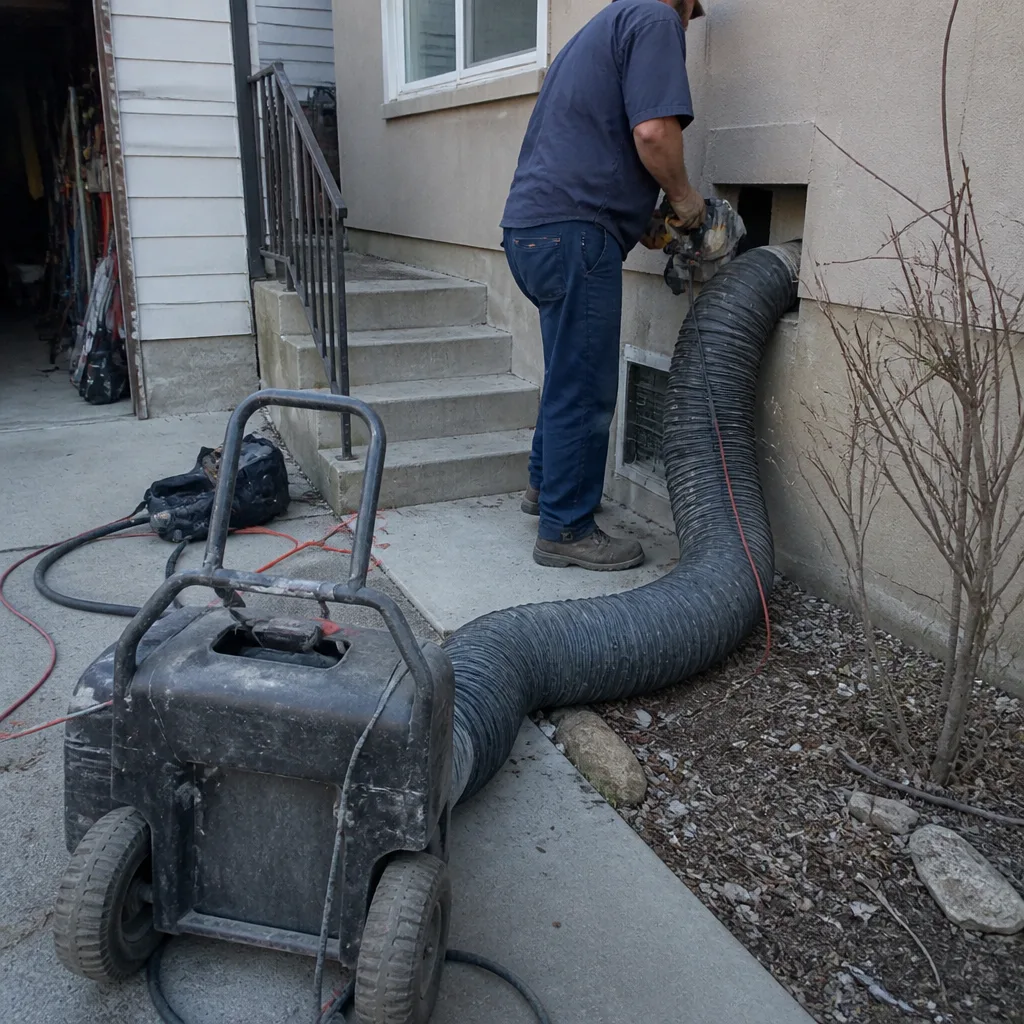 Before
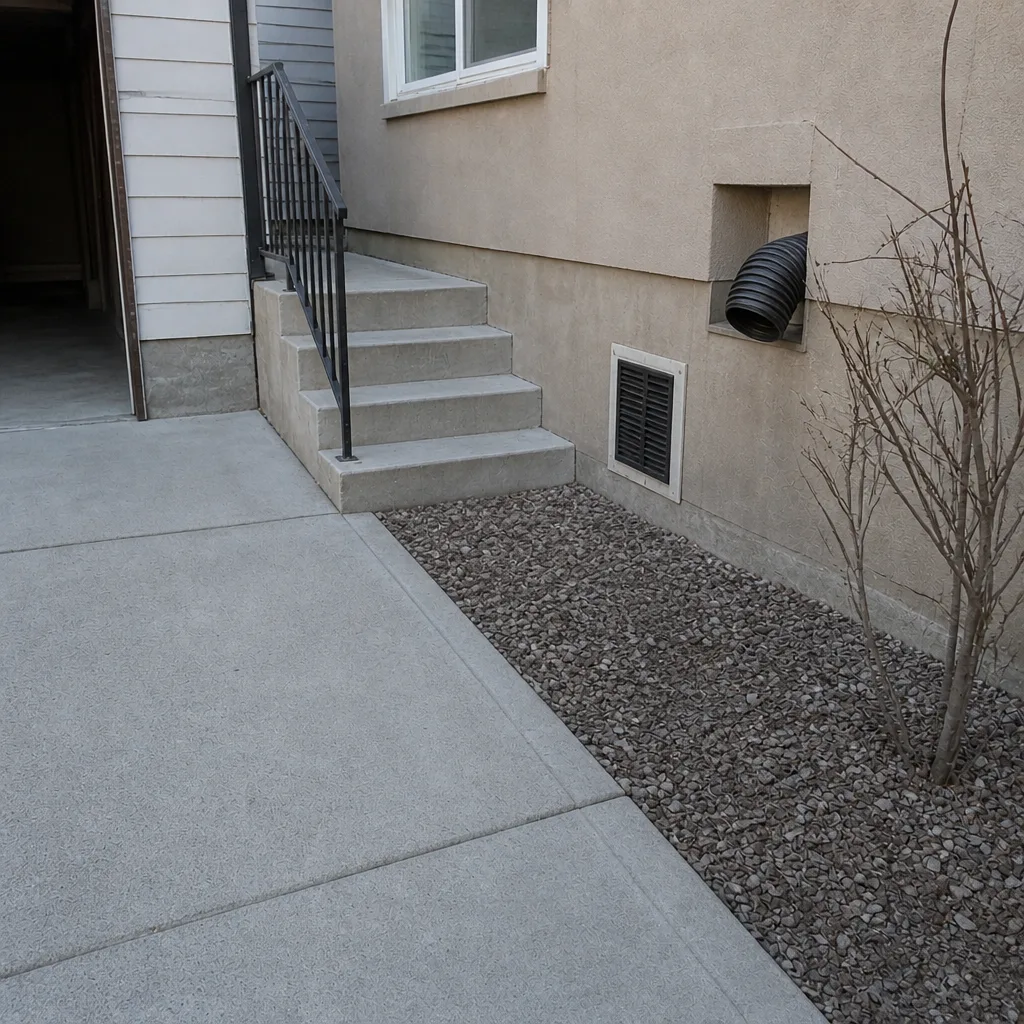 After
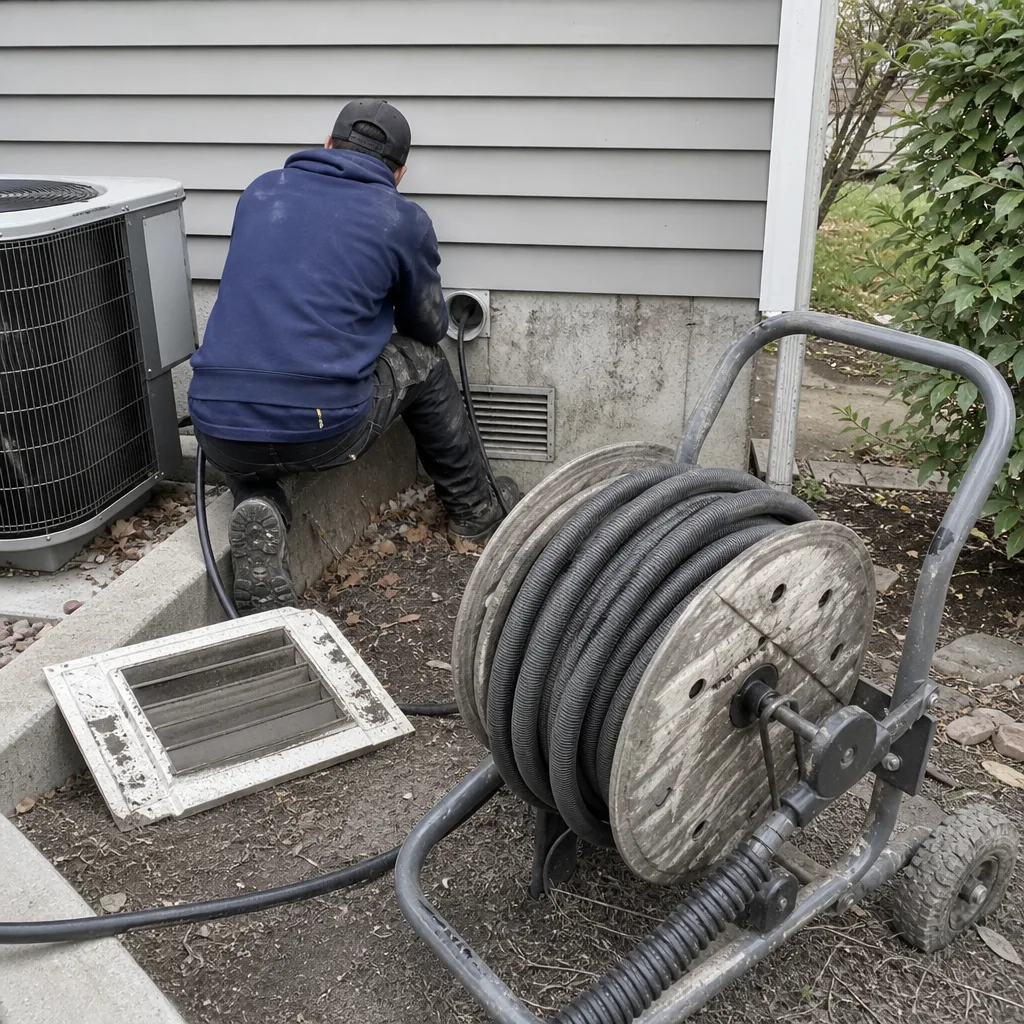 Before
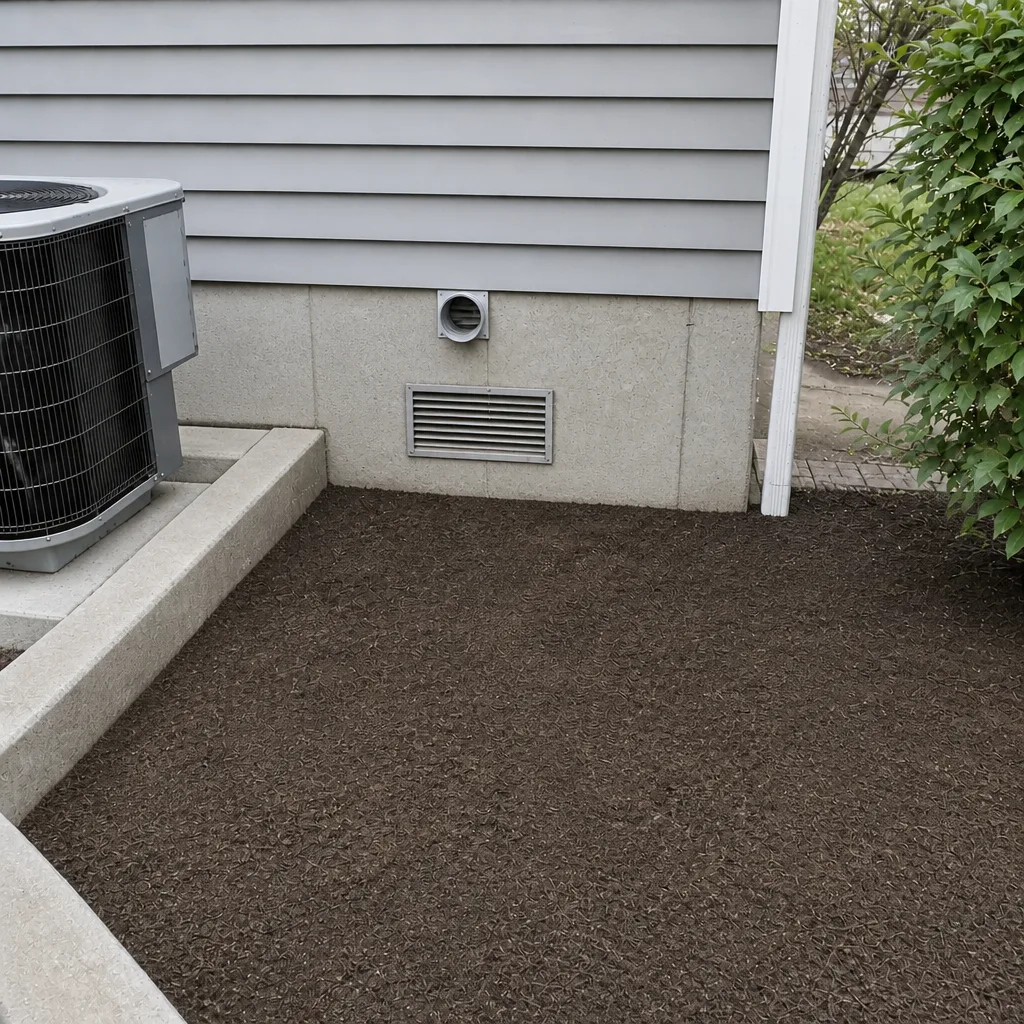 After
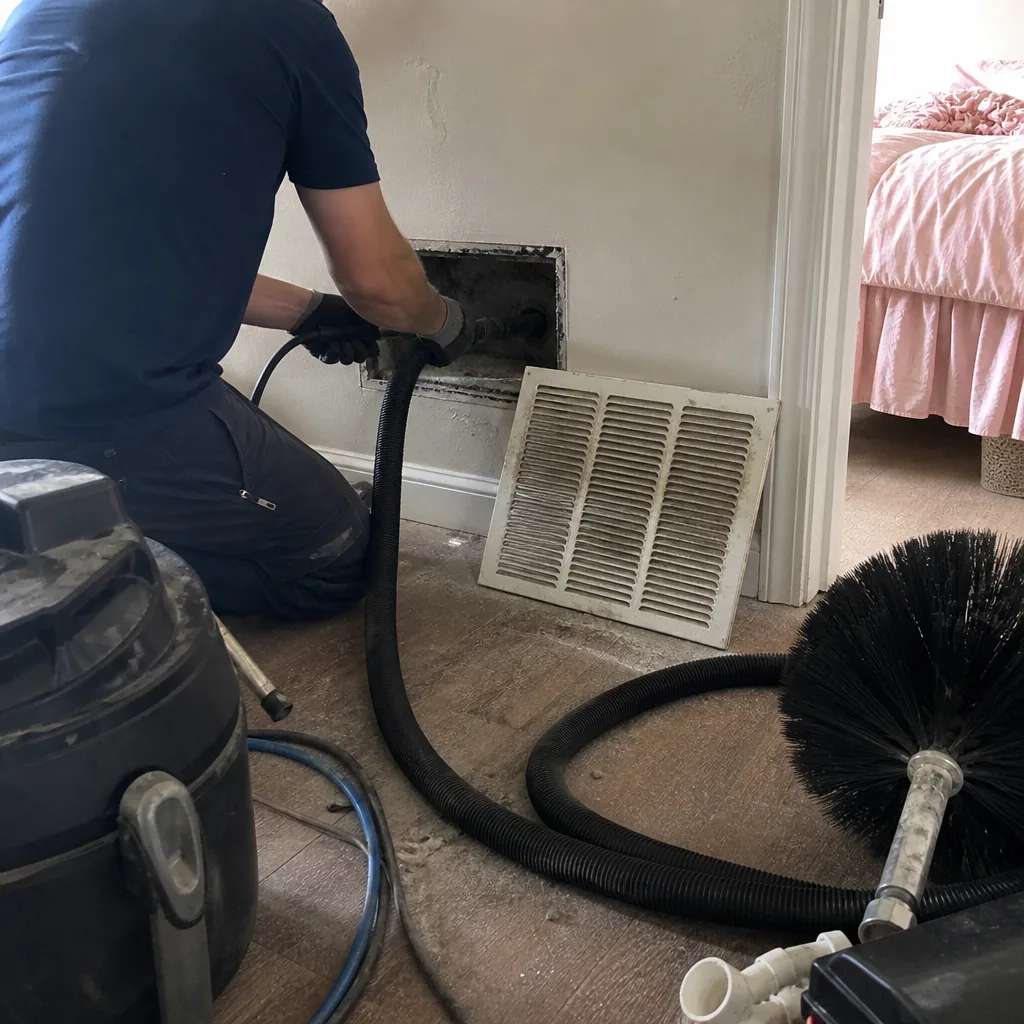 Before
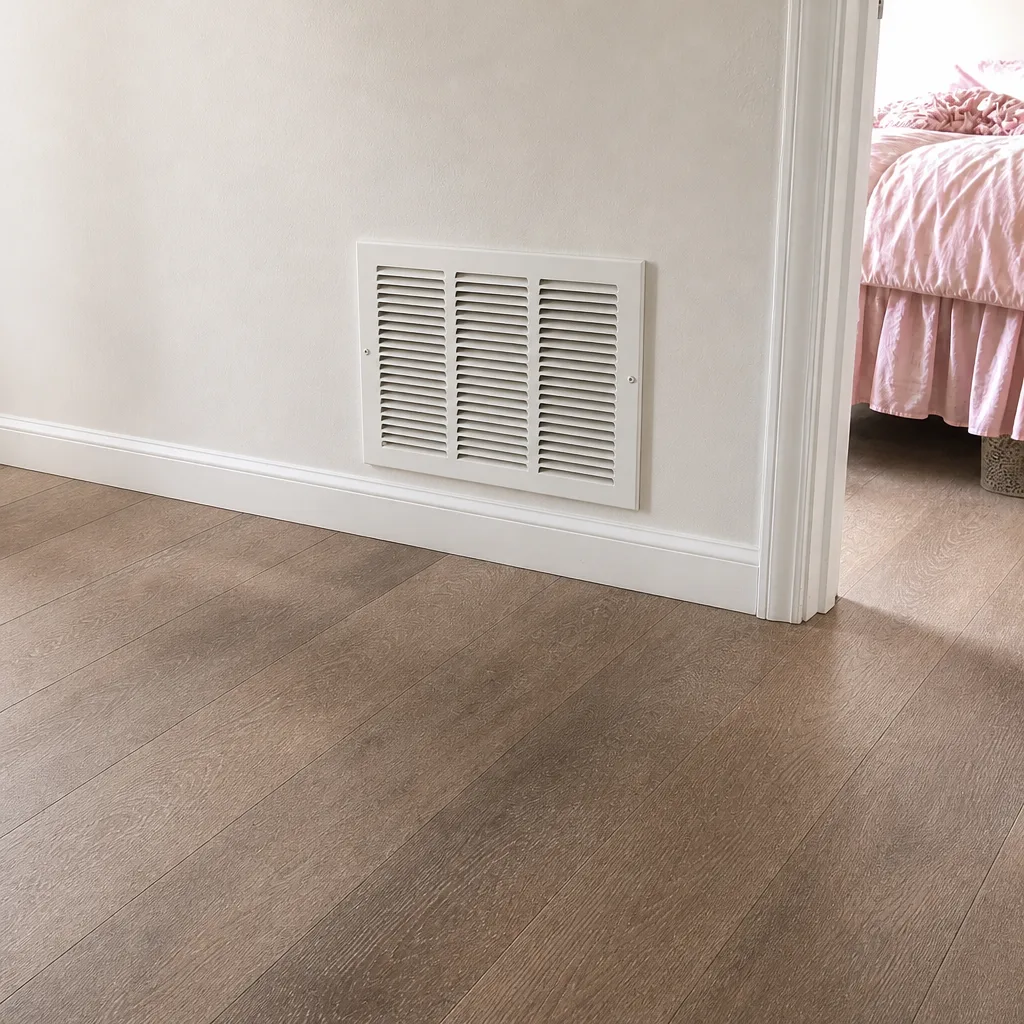 After
When to Call a Professional
Some duct situations are handled with a filter change and a vacuum. Others need professional-grade equipment and a tested protocol. Call us when smoke smell persists a week after a smoke event, when you’ve found visible displacement at a flex duct or plenum connection, when any part of the duct system has been wet for more than a few hours, or when your insurance claim needs a written technical assessment. Provo Air Duct Cleaning offers free estimates in Provo. Call (855) 658-4391. We answer 24/7. Fast dispatch from 7am to 7pm, Sunday through Friday. Our technicians have up to 9 years of experience, and every job is quoted with one flat price per system agreed before work begins.
Frequently Asked Questions
Within 72 hours. Smoke particulate begins bonding to duct surfaces and insulation within roughly three days of the event. Cleaning inside that window removes it while it’s still loose; outside it, mechanical agitation with a rotary brush becomes necessary. Call (855) 658-4391 for a free estimate and we can discuss timing for your specific home.
Check three things without opening walls: flex duct connections at the air handler and trunk line, the plenum connections at the furnace, and any ducts that have dropped off their hangers in a crawlspace or basement. Also listen for whistling at registers and sniff for crawlspace air in adjacent rooms. If any of those check out, a professional pressure test confirms the leak and locates it before any repair.
Flood or water damage from a burst pipe or appliance failure is typically covered under standard Utah policies as “sudden and accidental.” Earthquake damage is usually excluded – check for a separate earthquake rider. Duct cleaning for ordinary dust buildup or allergy complaints is not covered. Documentation of the causal link between the event and the contamination is what makes a claim work.
Emergency work addresses a specific contamination event – smoke, water, physical damage – and requires documentation, testing, and often sanitization in addition to cleaning. Routine cleaning addresses dust and debris accumulation and is a maintenance item. The equipment is similar, but the scope, sequence, and testing are different. Our air duct cleaning page describes the routine scope; the emergency protocol is what’s covered above.
Not as a replacement, as a complement. A standalone HEPA purifier cleans the room air while smoke is active. It doesn’t remove particulate that’s already lodged in the ducts. Both belong in the plan: purifiers during the event, duct cleaning after, ideally within 72 hours.
Photograph your duct layout, know where the air handler is, know how to shut off the HVAC, keep your contractor’s contact in your phone, and locate the fresh-air intake. It takes an afternoon once and saves you from making decisions in a panic. If you haven’t had a duct inspection in a while, that’s a good place to start – call (855) 658-4391 and we’ll get one scheduled.
The Bottom Line
Provo’s duct emergencies come in three forms – smoke, shaking, and water – and each one has a clock. Smoke gives you 72 hours before particulate bonds to duct surfaces. Earthquakes require inspection even when the house seems fine. Water events give you 48 hours before mold colonization becomes a real risk. The prep work is simple and takes one afternoon: photograph the layout, know the air handler, save a contact. The response work requires professional equipment and a tested protocol. Get ahead of both, and a duct emergency becomes a manageable event rather than a scrambled one. If you’re in Provo and want a free estimate or a duct inspection, call (855) 658-4391. We answer 24/7, with fast dispatch from 7am to 7pm, Sunday through Friday. You can also start at our Provo Air Duct Cleaning home page to review the full service scope. When we’re done, you’ll have a system that’s cleaned, sealed, and sanitized, and a written record you can keep for your files.
Written by the team at Provo Air Duct Cleaning.