
Last updated November 24, 2026
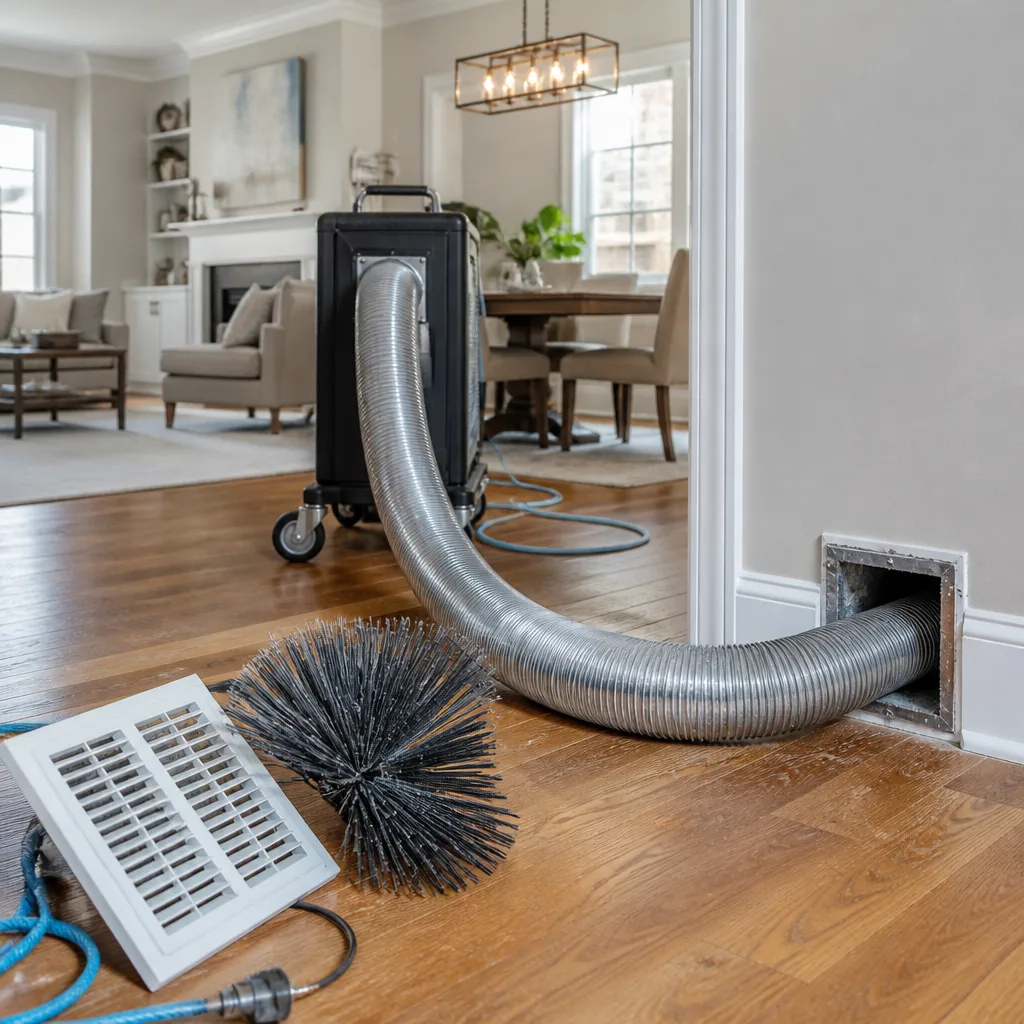 Whole-home duct cleaning
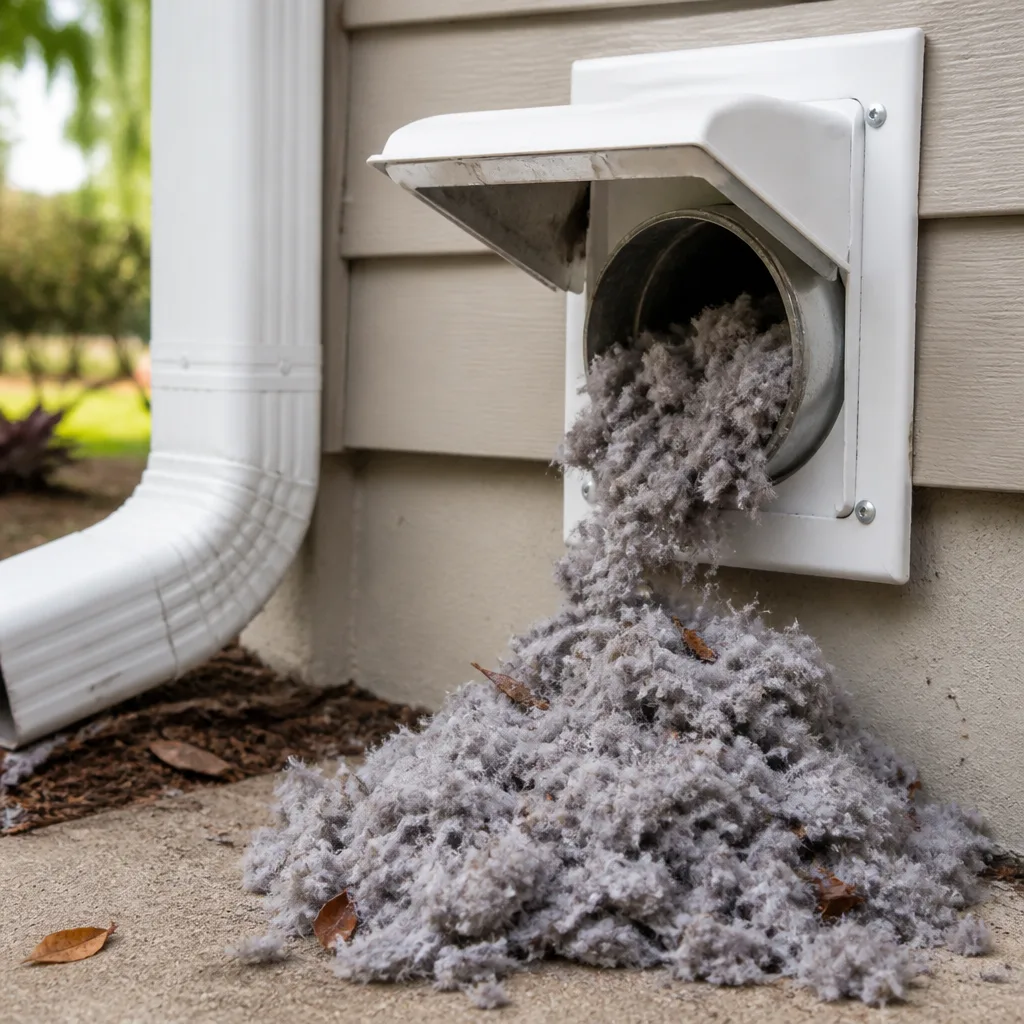 Dryer vent cleaning
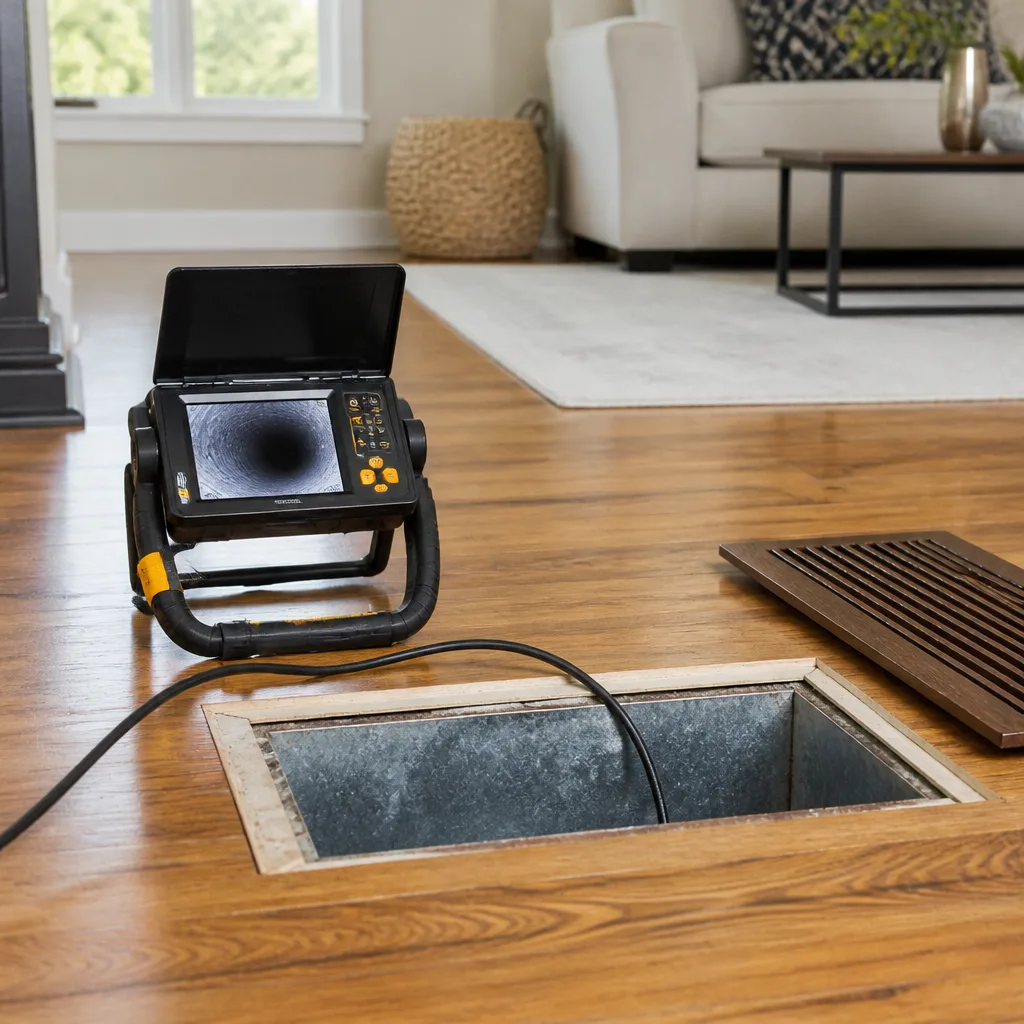 Camera inspection
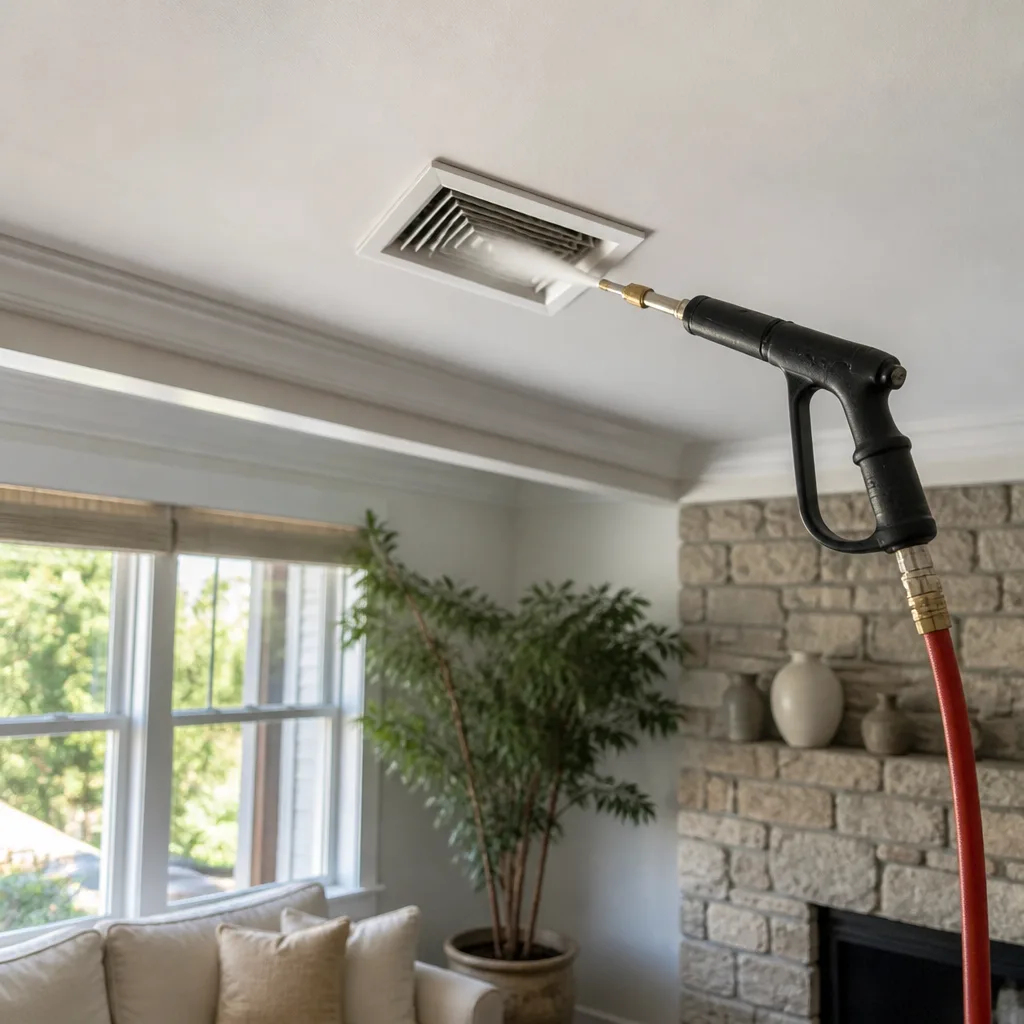 Sanitizing & deodorizing
Whole-system duct and dryer vent check with before-and-after photos - you see exactly what came out of your vents
That "$99 whole-house special" is a bait ad - the real number appears once they are in your hallway, or the "clean" is a shop-vac at the register. We photograph the inside of your ducts before and after instead.
Air Duct Cleaning Maintenance Schedule: What to Do and When
The standard advice says every three to five years. That number gets repeated everywhere, and it’s not wrong so much as incomplete. A household in Provo with two dogs, a furnace that runs most of the year, and an older home without a modern fresh-air system is a completely different cleaning case from a retired couple in a tightly sealed newer build. Same city, same square footage, very different contamination rates. This guide builds a maintenance calendar around your house instead of an industry average. You’ll learn how to score your own home, set filter and inspection intervals, spot re-contamination between cleanings, and know when Provo’s inversion and wildfire smoke seasons should push an inspection forward.
Styles & brands we work with
- Whole-home duct cleaning
- Dryer vent cleaning
- Camera inspection
- Sanitizing & deodorizing
Quick Answer
There’s no single interval that fits every home. Most Provo homes land somewhere between every two and every five years for a full system cleaning, driven by pet count, allergy sufferers in the house, recent renovation, home age, and how many hours your HVAC actually runs. In practice, that means changing filters monthly, inspecting registers quarterly, and letting a scoring framework decide when the full cleaning is due.
Table of Contents
- Why the “Every 3-5 Years” Rule Falls Short in Provo
- Scoring Your Home: The Maintenance-Interval Modifiers
- The Four Tiers of a Real Maintenance Schedule
- Tier 1: Filter Changes and What Your Filter Actually Does
- Tier 2: Quarterly Register Inspection and Delta-T Drift
- What Resets the Clock After a Cleaning
- Inversion Season, Wildfire Smoke, and When to Inspect Early
- What to Check Between Professional Cleanings
- Common Mistakes to Avoid
- When to Call a Professional
- Frequently Asked Questions
- The Bottom Line
Why the “Every 3-5 Years” Rule Falls Short in Provo
The three-to-five-year figure comes from a reasonable starting point: typical residential contamination under average conditions. The problem is that “average” assumes an average household in an average climate, and Provo doesn’t deliver those. A home here runs its heating system through a long, cold stretch, sits in a valley where winter inversions trap particulate matter, and deals with spring and summer wildfire smoke drifting in from surrounding ranges. All three push more material into your return air than the national average assumes.
Then there’s the house itself. Provo has a wide mix of housing stock, from mid-century homes near downtown and the tree-lined blocks around Brigham Young University to newer construction out toward the east bench and the neighborhoods up by the mountains. Older homes often have original or lightly retrofitted ductwork, more leak points, and no energy-recovery ventilator pulling fresh air in. Newer, tighter builds may have a fresh-air system but can also trap contaminants if filtration is undersized. Two houses on the same street can have very different cleaning intervals.
A family of five with a shedding dog and a child with asthma will load the system faster than a couple with no pets and a well-sealed home. The three-to-five rule doesn’t account for any of that. What it needs is a set of modifiers you can apply to your own situation, which is what the next section builds.
Scoring Your Home: The Maintenance-Interval Modifiers
Instead of guessing, assign yourself a score. Start at a baseline interval of every five years, then subtract time for each factor that accelerates contamination in your home. This is the framework we walk through with homeowners when they call Provo Air Duct Cleaning and ask how often they should book.
- Pets (subtract 12 months). Every dog or cat in the house sheds dander and hair that get pulled into return air. Two or more pets, subtract 18 months.
- Allergy or asthma in the household (subtract 12 months). If someone in the home is sensitive to dust or particulates, the margin for error shrinks. Cleaning earlier removes settled material before it circulates.
- Recent construction or renovation (subtract 12 to 24 months). Drywall dust, sawdust, and construction debris settle deep in ducts and coat the blower. A home that just had a kitchen remodel should schedule a cleaning sooner rather than later.
- High HVAC run hours (subtract 6 to 12 months). The more hours your furnace and AC run, the more air passes over your coils and through your ducts. Provo’s long heating season is a real factor here.
- Older home with unsealed ductwork (subtract 12 months). Leaky ducts pull in dust from crawl spaces, attics, and wall cavities. Sealing the ductwork changes the math.
- Smokers, wood-burning stoves, or heavy candle use (subtract 6 months). Combustion particles and soot settle on duct surfaces and get re-entrained into airstreams.
Add the subtractions. A home with pets, an allergy sufferer, and a recent renovation could easily land at every 18 months. A sealed newer build with no pets might comfortably sit at four to five years. Neither is wrong. The score tells you which is right for you.
The Four Tiers of a Real Maintenance Schedule
Most homeowners think of duct maintenance as one event. It’s actually four overlapping schedules running at different frequencies. Getting this straight is what separates a home that stays clean from one that quietly re-contaminates a year after every cleaning.
- Tier 1: Filter changes (monthly to quarterly). The most frequent task, and the one most people get wrong. The filter protects the blower, coil, and duct surfaces. Change it on schedule or everything downstream suffers.
- Tier 2: Register inspection (quarterly). A quick visual check at each supply and return register. Look for dust lines, discoloration, and airflow changes. This is how you catch re-contamination early.
- Tier 3: Full system cleaning (variable, determined by your score). The professional service that resets the whole system. Frequency depends on the scoring framework above.
- Tier 4: Post-remediation recheck (90 to 180 days after cleaning). If a cleaning followed a renovation, water damage, or pest issue, schedule a recheck to confirm the system stayed clean. This catches problems before they compound.
Running these four tiers together, a typical Provo household looks like this: monthly filter checks, quarterly register walkthroughs, a full cleaning on the scored interval, and a recheck after any remediation event. If you handle air duct cleaning as one event every few years without the filter and inspection tiers, you’ll end up re-cleaning early and paying twice for the same work.
Tier 1: Filter Changes and What Your Filter Actually Does
Filter changes are the cheapest maintenance task you’ll ever do, and they do more for your indoor air and your HVAC equipment than any other single routine. A clogged filter chokes airflow, strains the blower, drives the coil temperature off spec, and lets dust build on surfaces the filter was supposed to protect. Change it monthly during heavy-run seasons and no less than quarterly the rest of the year.
The type of filter matters. A 1-inch fiberglass panel is basically a debris screen. It catches large particles, keeps them from hitting the blower, and that’s about it. It doesn’t capture fine particulate, it loads up fast, and it gives you almost no filtration. A pleated media filter with a higher MERV rating captures much smaller particles, but it also adds static pressure to the system, so you have to make sure your equipment can handle it.
A deep media cabinet, like the ones we work with from Aprilaire and Honeywell, is a different animal entirely. These use a wide media filter that holds much more dust before it starts restricting airflow, which means fewer changes per year and lower pressure drop for a similar level of filtration. A well-chosen whole-home media filter will often run for six months or more on a single filter and still outperform a 1-inch pleated filter that gets changed monthly. For a household with allergies, the deep media cabinet isn’t a luxury – it’s the difference between a system that filters air and one that just moves it around.
Tier 2: Quarterly Register Inspection and Delta-T Drift
Once a quarter, walk to each supply and return register and take a real look. This takes ten minutes and tells you most of what a professional would tell you on a service call. Here’s what to look for:
- Dust lines around the edges. A dark ring where the register meets the drywall or ceiling means dust is being pushed out of the supply or pulled in around a leak. Consistent dust lines on the same registers each quarter says something is loading faster than expected.
- Visible debris inside the register boot. Shine a light. Grit, hair, and fiberglass dust settled on the boot floor is a sign the system is pulling contaminants in from somewhere.
- Delta-T drift. Your air conditioning system has an expected temperature difference between the return air and the supply air, typically in the range your equipment spec calls for. If that number is drifting – measurable with a pair of thermometers at a return and a nearby supply – a partially blocked coil or duct restriction is usually the cause. It can also be a sign of contamination on the coil.
- New smells or uneven airflow. A musty smell at one register, or one room that stops getting air the way it used to, is a maintenance signal.
If any two of these show up at the same visit, that’s your cue to book an inspection rather than wait for the scored interval. Our technicians have up to 9 years of experience reading exactly these signals, and it’s the short list we ask every homeowner to spot-check between cleanings.
What Resets the Clock After a Cleaning
A cleaning isn’t the end of the maintenance schedule. It’s a reset – and *what* gets reset determines how long the next interval lasts. Two houses can both get cleaned to the same standard and end up in very different places a year later depending on what happens immediately after. Here’s how that works.
A professional cleaning using something like the Rotobrush rotary brush system agitates the dust loose mechanically, and a Nikro HEPA-rated vacuum pulls it out at the same time. The result is a system that’s genuinely clean, not just swept. After that, everything that comes next sets the clock.
If you drop a 1-inch fiberglass panel back in and leave it for six months, you’ll restart the contamination clock almost immediately. Dust that passes the panel will collect on the coil and inside the ducts at a rate you’ll notice within a year. If you upgrade that to a deep media cabinet with a properly sized media filter from Aprilaire or Honeywell, the act of cleaning – plus the new filter – buys you a much longer interval. Whole-home filtration done right is one of the most cost-effective reset moves we recommend.
Duct sealing matters just as much. If the ducts leak, the system pulls unfiltered air from crawl spaces or wall cavities and the cleaning is semi-cosmetic. Sealing the leak points changes where the air comes from, and that’s a real reset. It’s also why we treat repair and sealing as part of the scheduling conversation, not a separate service trip later.
Inversion Season, Wildfire Smoke, and When to Inspect Early
Provo’s geography creates two pollution seasons that most of the country doesn’t deal with. During winter inversions, cold air traps warmer air and particulate matter against the valley floor. During fire season, smoke drifts in from surrounding ranges and settles into the same bowl. Both push extra particulate into your HVAC system through return air, outside air intakes, and envelope leaks.
This is where a strict calendar fails. If the scored interval says you’re clean until next year, but the valley just came out of a ten-day inversion or a heavy smoke event, an early inspection earns its keep. Three signs that say “inspect now, don’t wait”:
- Visible haze or smell inside the house after the smoke event has cleared outside. That’s your filter and registers telling you they caught the loading.
- Allergy or asthma symptoms flaring without a seasonal trigger. A change in symptoms after a pollution event is worth acting on.
- A filter that loaded far faster than usual. If a filter that normally runs six months plugs up in six weeks, the system has taken on more debris than usual.
We use Abatement Technologies air filtration tools – the same category of equipment used in remediation and restoration work – when the contamination load is heavier than a routine cleaning would suggest. For homes that have gone through multiple smoke seasons back-to-back, that’s usually the right call. If your scheduled cleaning isn’t due but the signals above are showing up, book an inspection instead and take the shorter interval. Whole-system maintenance means trusting the house over the calendar.
What to Check Between Professional Cleanings
Comfort and speed aren’t the reason duct maintenance exists – contamination control is. Between professional cleanings, you’re the front line. Here are the checks that catch re-contamination before it costs you a full service call.
- Register dust lines reappearing. You cleaned them last quarter and they’re back already? Something upstream is loading again. That’s not a dusting problem, it’s a filtration or leak problem.
- Whole-home filter pressure indicator. Many media cabinets have a pressure or service indicator that tells you when the filter is loading. Trust the indicator over the calendar.
- Delta-T drift. As described above, measure supply and return temperatures quarterly if you can. A stable delta-T is a healthy system; a drifting one is telling you to look closer.
- Dryer vent airflow. This is related but distinct. A dryer that takes longer to dry clothes, or the outside flapper failing to open fully, is a dryer vent cleaning signal. We treat the dryer vent as a fire-safety service rather than a maintenance item, and it belongs on your regular maintenance schedule alongside the air ducts.
- Visible dust on the coil. If you can peek at the evaporator coil and see a mat of dust, that’s advanced loading. Book an HVAC cleaning, not just a duct cleaning.
None of these checks require tools or expertise to notice. They require looking. A homeowner who does this quarterly spot-check will call us earlier than the calendar says, and the job is easier and cheaper when that happens.
Common Mistakes to Avoid
- Following the three-to-five rule without scoring your own home. The national average doesn’t know how many pets you have or how leaky your ducts are. Score the modifiers first, then decide.
- Changing filters based on looks rather than the schedule. A filter can be visibly mostly clean and still be loading enough to choke airflow. Change on the interval, not the appearance.
- Skipping duct sealing after a cleaning. Clean ducts with leaks will re-contaminate in a fraction of the time. Sealing is part of the reset, not an add-on.
- Ignoring the dryer vent. Many Provo homes have the dryer running almost daily, and a loaded dryer vent is a fire risk. Don’t let this sit on the “later” list.
- Using a shop-vac to “touch up” ducts between cleanings. A shop-vac can push dust deeper into duct runs and doesn’t capture fine particulate the way a HEPA-rated Nikro vacuum does. Leave it to the purpose-built equipment.
- Booking a cleaning and calling it done. If the contamination was heavy – after a remodel, fire, or long interval – schedule the recheck at 90 to 180 days. It confirms the reset held.
- Not asking about filtration upgrades. If the cleaning is happening anyway, it’s the natural moment to consider a whole-home media filter. Skipping that conversation means you’re likely to be back sooner than necessary.
When to Call a Professional
Most homeowners can handle Tier 1 and Tier 2 maintenance themselves. The professional work – Tier 3 and Tier 4 – is where the calibration, equipment, and scope matter. Call us when any of the following is true: the scored interval has elapsed and you have two or more modifier factors in play; a renovation has dropped drywall dust or construction debris into the system; someone in the home has allergies or asthma that flares inside the house; there’s a musty or stale smell from a supply register; the dryer is taking noticeably longer to dry clothes or the outside vent flapper doesn’t open cleanly; or a pollution event like an inversion or heavy wildfire smoke has clearly loaded the system.
Provo Air Duct Cleaning offers free estimates in Provo. Call (855) 658-4391. We answer 24/7. Fast dispatch from 7am to 7pm, Sunday through Friday. We’ll look at your house and your score, not just the calendar, and give you a written estimate before any work is set.
Frequently Asked Questions
Most Provo homes should plan for a full system cleaning every two to five years, with the exact interval set by your own household factors: pet count, allergy sufferers, recent renovation, home age, and HVAC run hours. Homes with pets and allergy concerns usually land closer to two years; sealed newer builds with no pets can extend to four or five. Call (855) 658-4391 for an exact quote – estimates are free.
Yes. Winter inversions and wildfire smoke events push extra particulate into the system through return air and envelope leaks, which effectively shortens the interval. If your house has been through a heavy inversion or smoke season and you’re seeing dust lines, musty smells, or symptom flares, book an inspection even if the scored interval hasn’t elapsed. Call (855) 658-4391 for an exact quote – estimates are free.
Air duct cleaning prices in Provo depend on the size of the system, the number of registers and returns, the level of contamination, and whether sealing or sanitizing is included. The written estimate sets the final price, and we don’t price per vent. Call (855) 658-4391 for an exact quote – estimates are free.
Cheap quotes are often priced to cover a surface pass-and-vac rather than a full system cleaning with proper equipment and containment. The low coupon price becomes a far larger invoice when the technician is on site, or you end up with a job that re-contaminates in a few months. Call (855) 658-4391 for an exact quote – estimates are free.
Real work is verifiable. At Provo Air Duct Cleaning we show before-and-after photos of your own system, not stock images. The right equipment matters too – purpose-built systems like Rotobrush and Nikro HEPA-rated vacuums handle containment differently than generalist equipment. Call (855) 658-4391 for an exact quote – estimates are free.
For any renovation that generates dust – drywall, cabinetry, flooring, or tile work – book a cleaning as soon as the dust has settled and construction is done. Construction particulate loads the system fast and coats the blower and coil. Follow up with a recheck at 90 to 180 days. Call (855) 658-4391 for an exact quote – estimates are free.
The Bottom Line
A single “every three to five years” rule isn’t a maintenance schedule – it’s a default. Your house, your pets, your allergies, your renovation history, your home age, and Provo’s inversion and wildfire smoke seasons deserve a calendar that fits. Score your modifiers, run the four tiers (filters, registers, cleaning, rechecks) on separate intervals, and reset the clock with real filtration and duct sealing when a cleaning happens. Trust the house over the calendar. When the scored interval elapses or the signals show up early, book the inspection. Free estimates, written pricing, before-and-after photos, and a satisfaction guarantee – that’s what we stand for. Call (855) 658-4391. We answer 24/7. Fast dispatch from 7am to 7pm, Sunday through Friday.
Written by the team at Provo Air Duct Cleaning.
See the difference
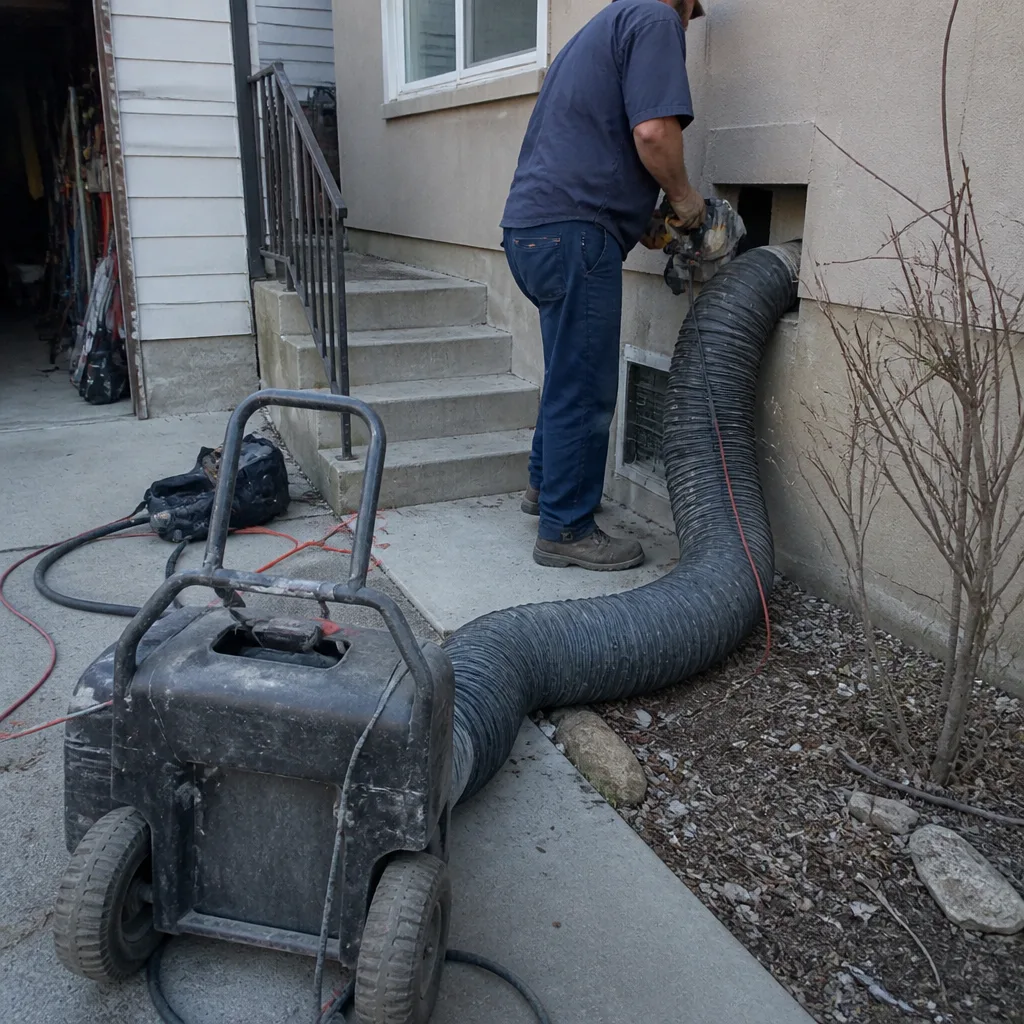 Before
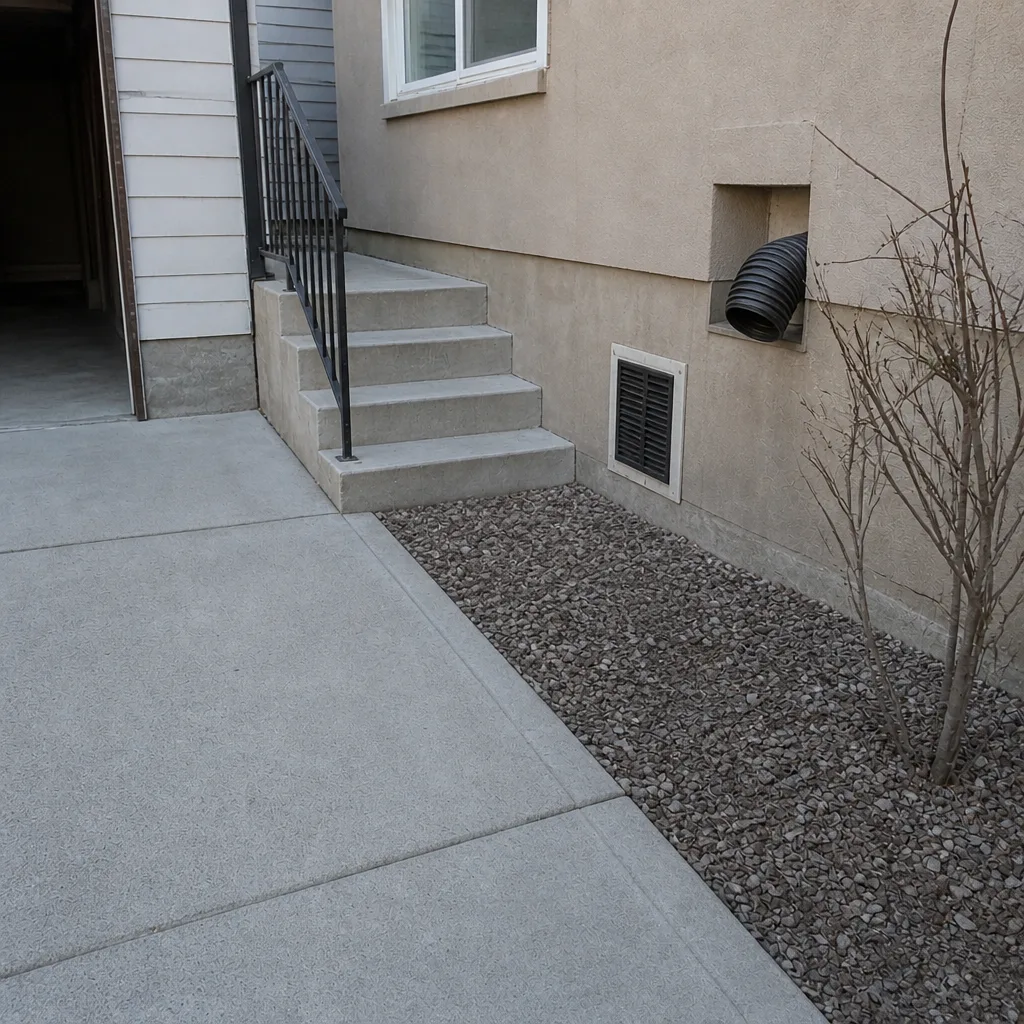 After
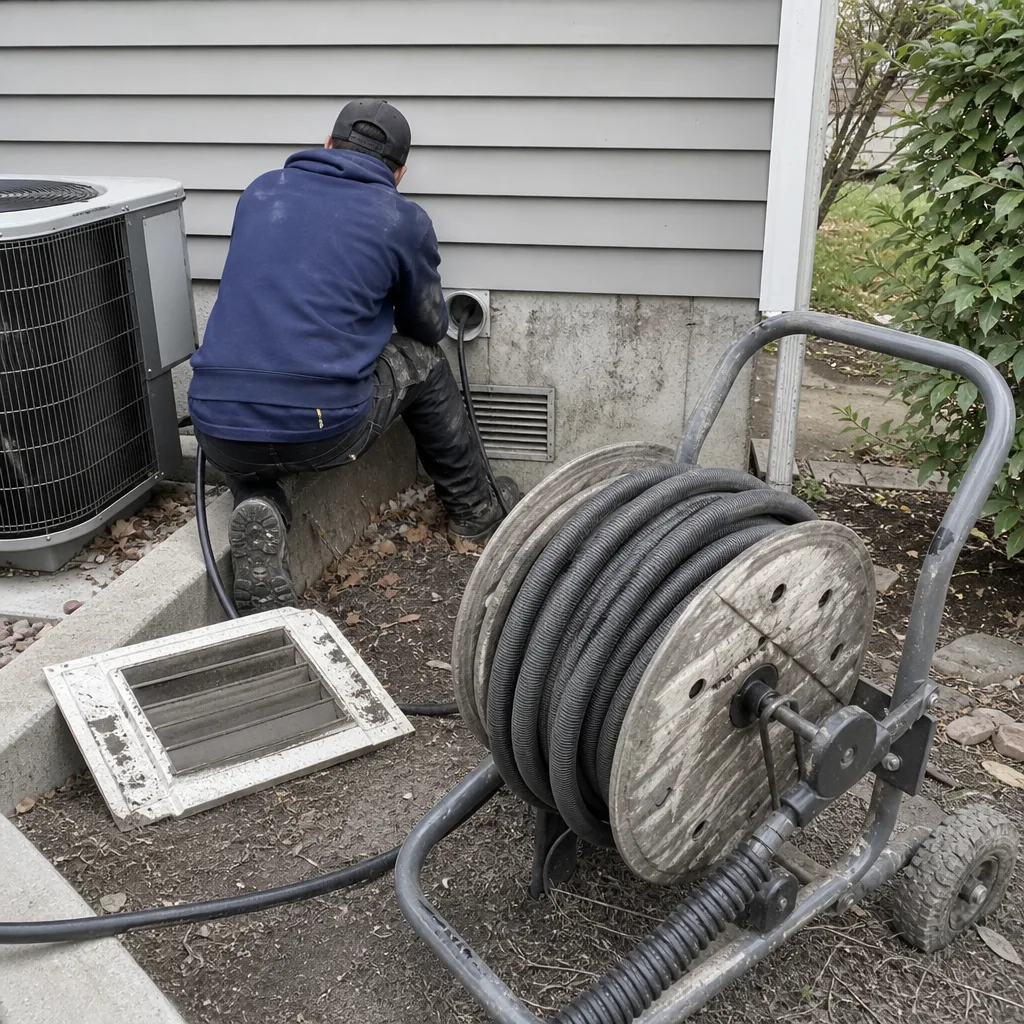 Before
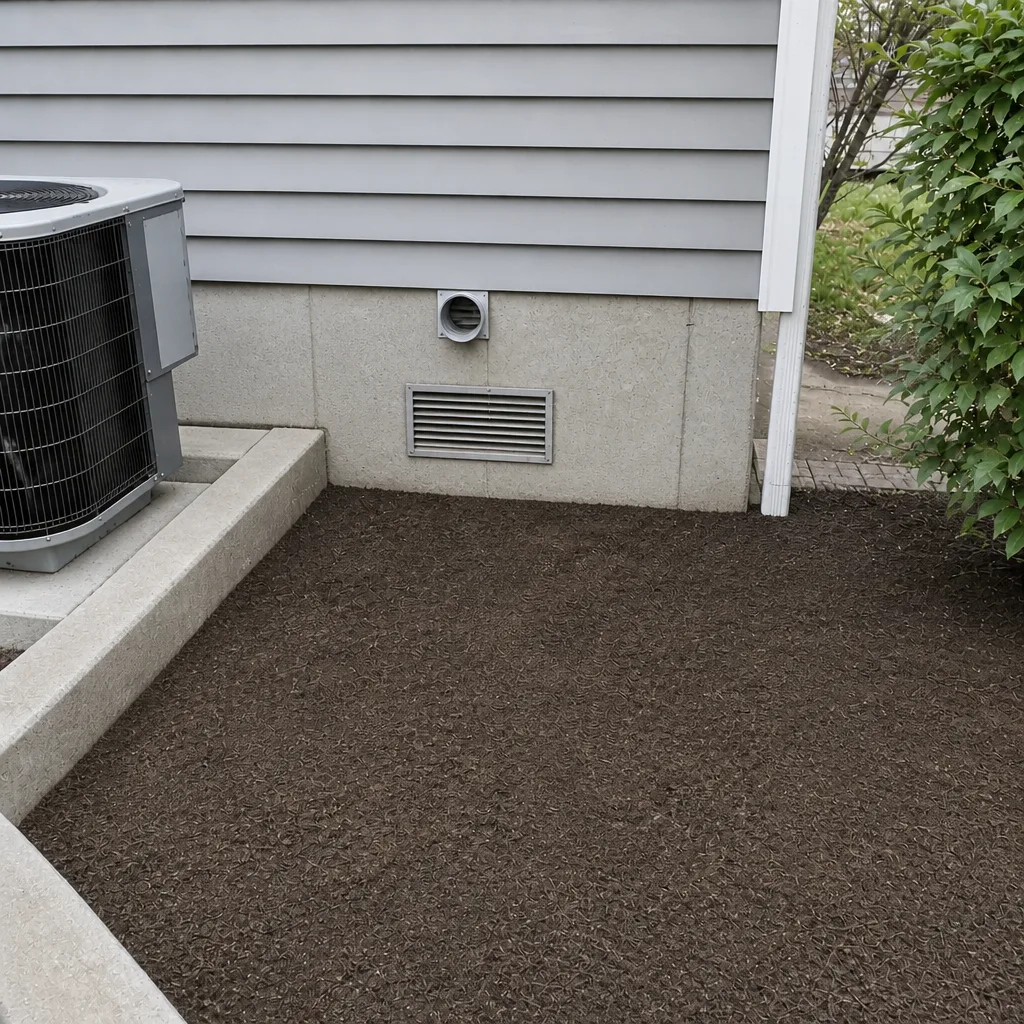 After
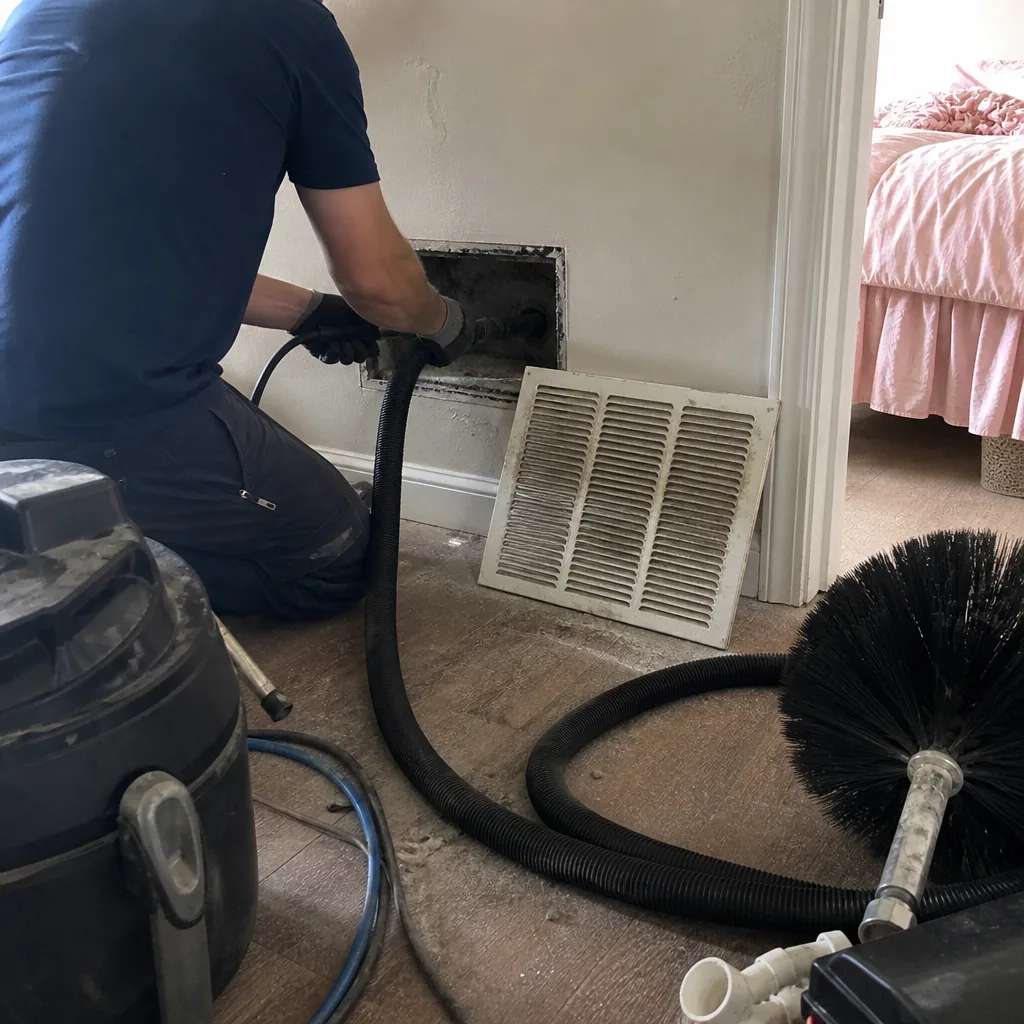 Before
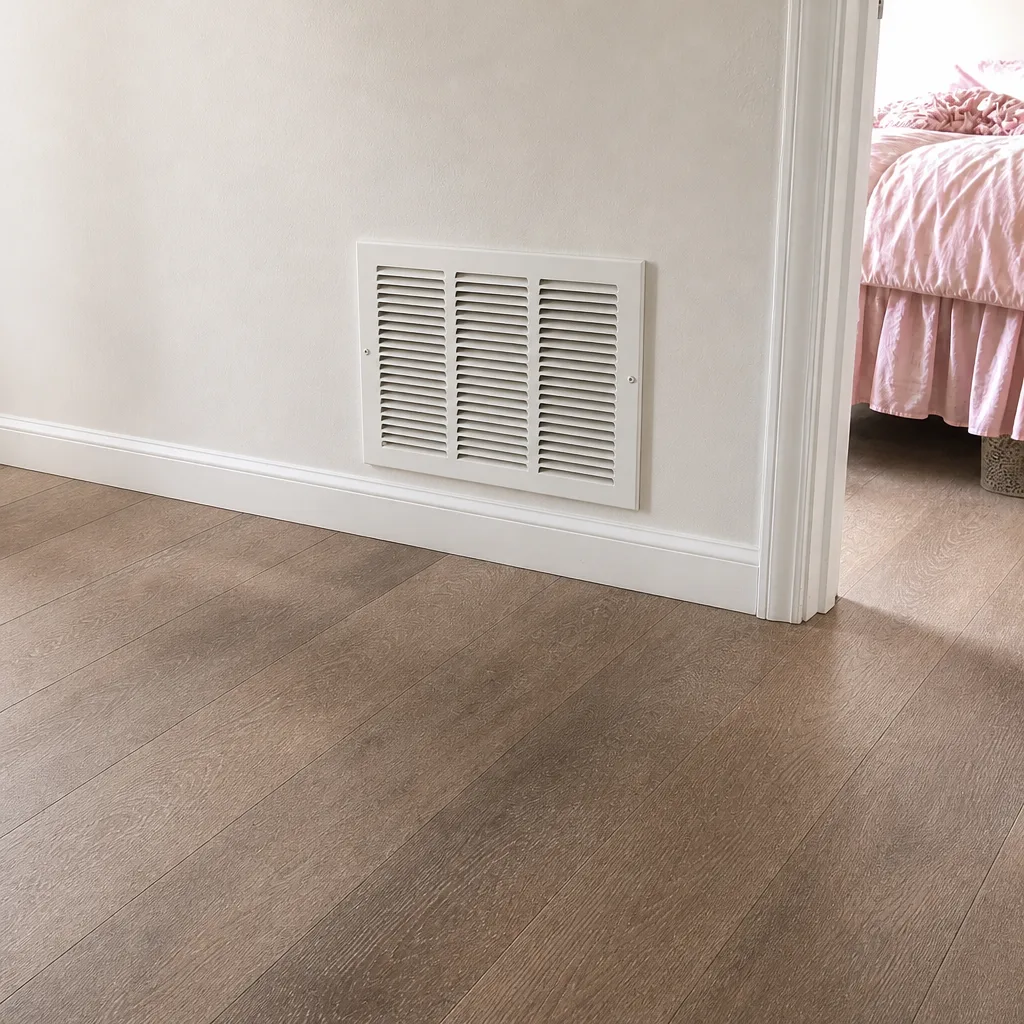 After