
Last updated November 24, 2026
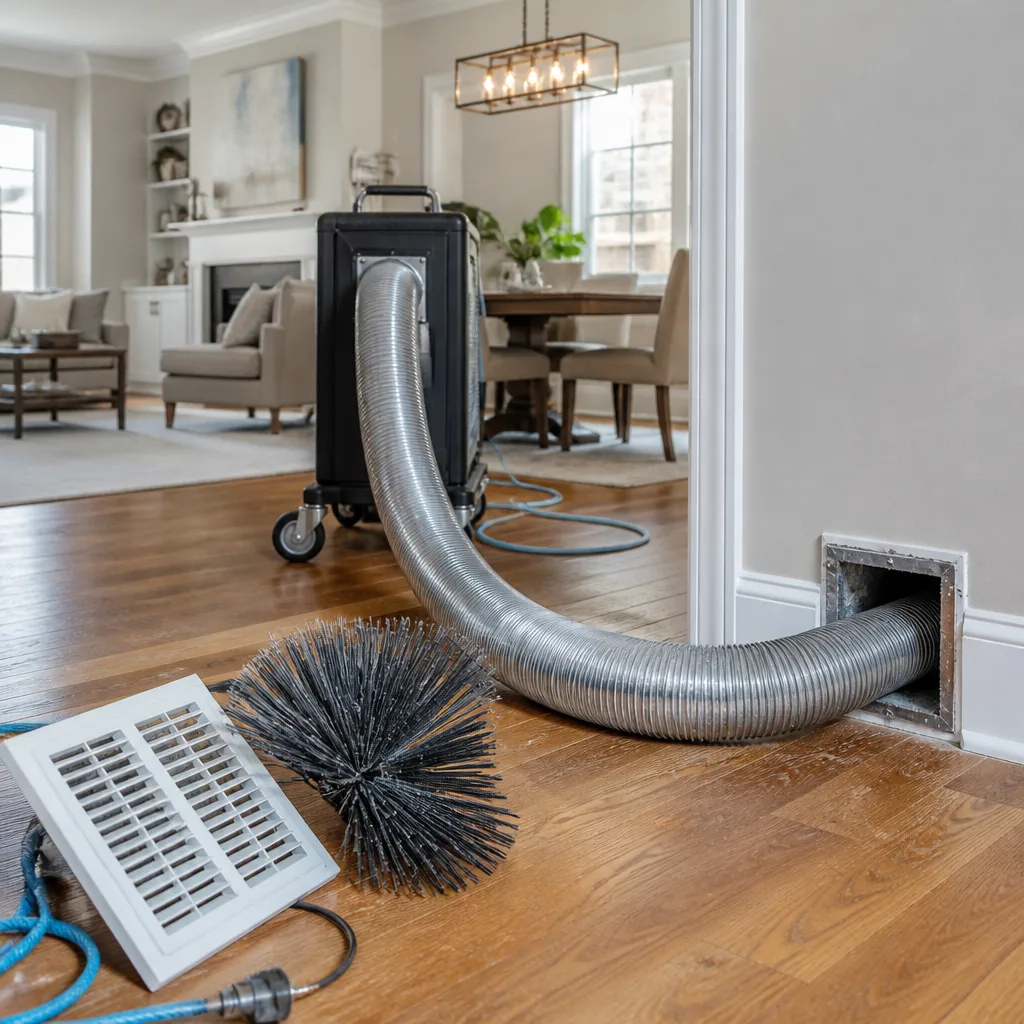 Whole-home duct cleaning
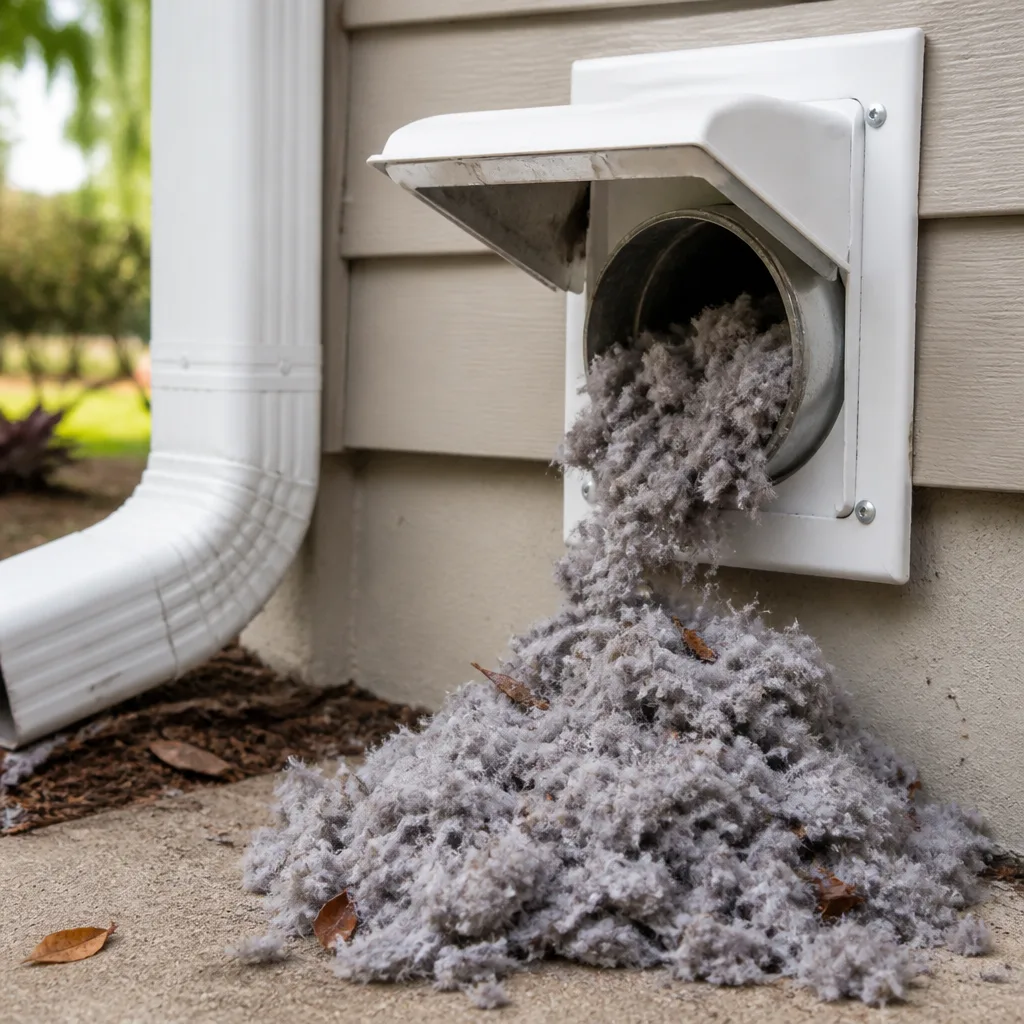 Dryer vent cleaning
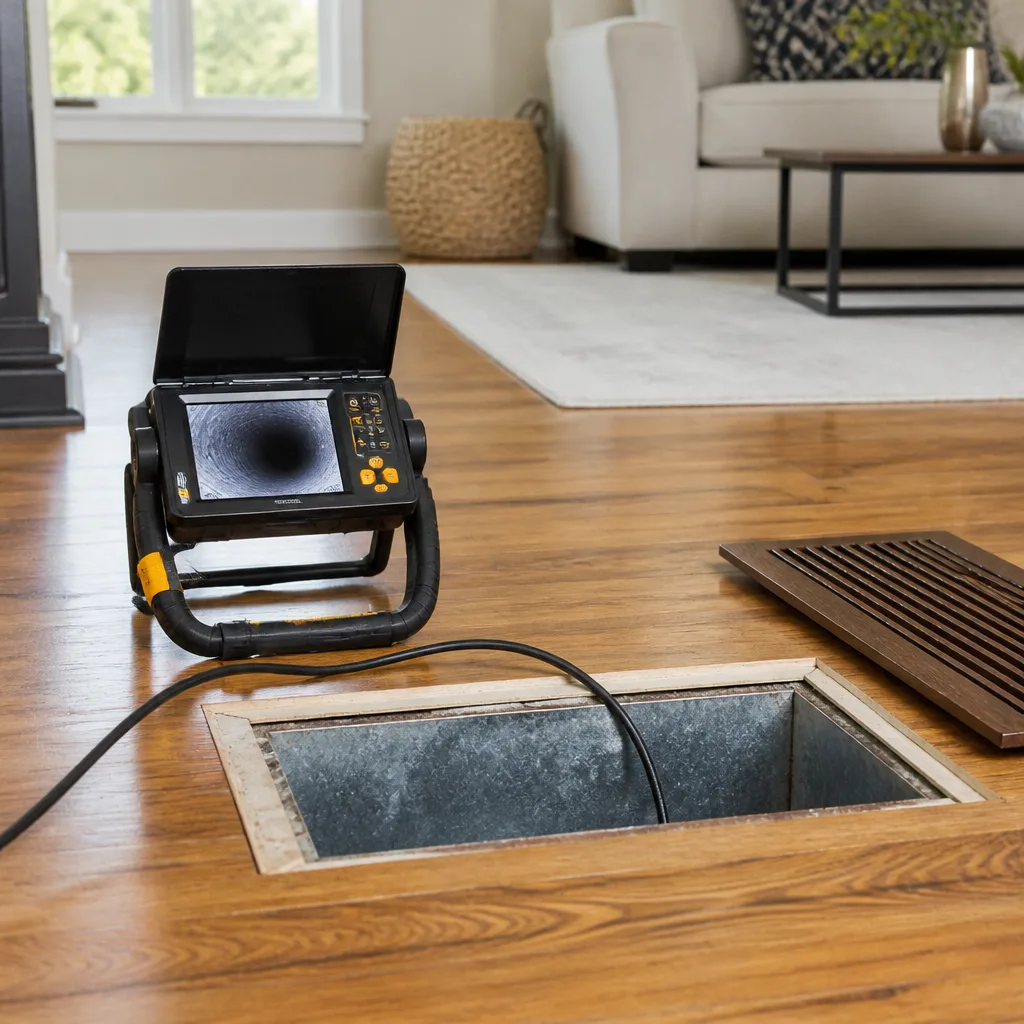 Camera inspection
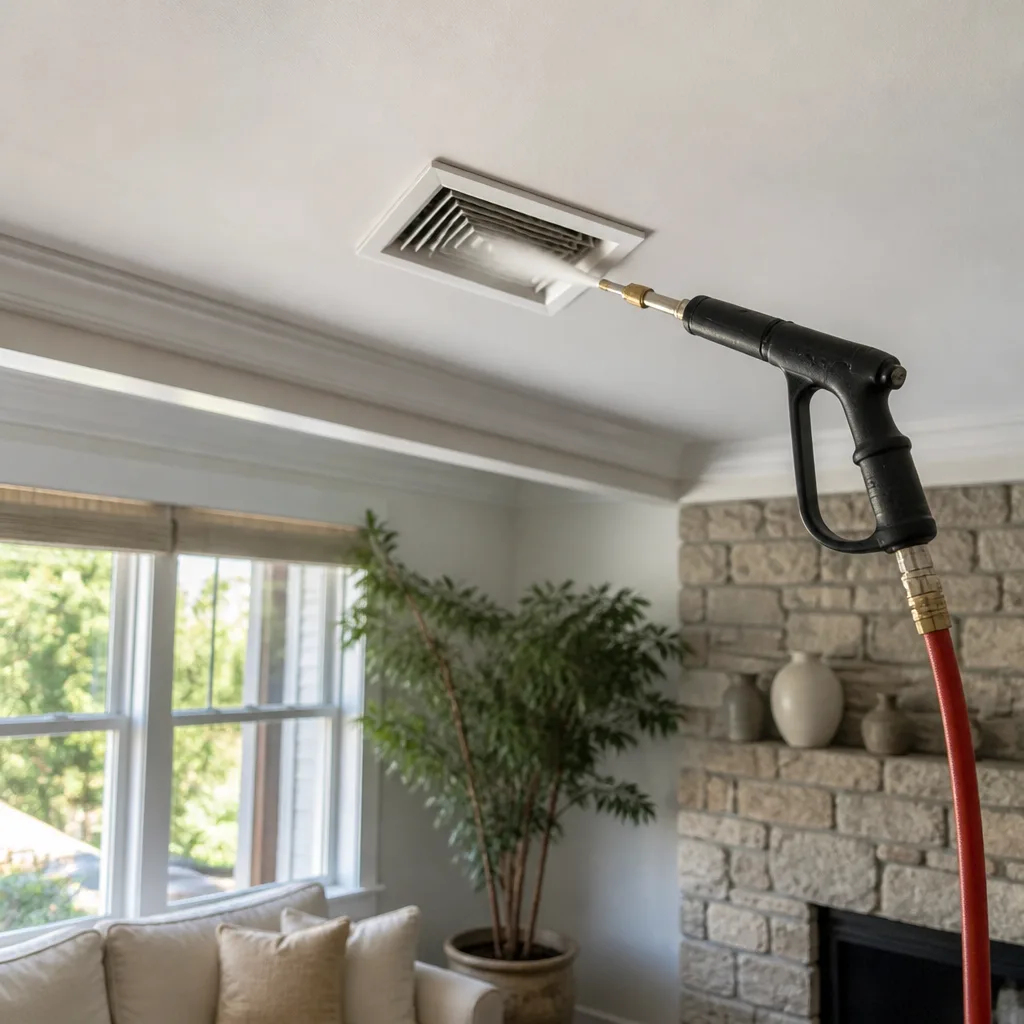 Sanitizing & deodorizing
Whole-system duct and dryer vent check with before-and-after photos - you see exactly what came out of your vents
That "$99 whole-house special" is a bait ad - the real number appears once they are in your hallway, or the "clean" is a shop-vac at the register. We photograph the inside of your ducts before and after instead.
Air Duct Cleaning Warning Signs: A Provo Homeowner’s Reference Guide
Most homeowners in Provo misdiagnose their own duct problems. A bedroom that never warms up gets blamed on the furnace. A musty smell gets blamed on the carpet. A persistent cough gets blamed on spring pollen blowing through Utah Valley. In our experience, the air pathway itself is the last place anyone looks, and that’s usually where the answer is sitting. HVAC technicians check equipment, not duct interiors, so a standard tune-up can pass with flying colors while a collapsed flex duct quietly starves an entire zone of air. This guide covers the physical signs you can spot yourself, how to read what’s inside your registers, how to separate equipment symptoms from duct symptoms, and when the fix is cleaning versus repair or sealing.
Quick Answer
Air duct cleaning warning signs in Provo usually show up as uneven room temperatures, visible dust or residue inside registers, musty or chemical odors at specific vents, and allergy symptoms that don’t improve when windows stay closed. If a room runs 4 – 6°F off your thermostat setting and equipment checks come back clean, suspect a duct blockage or disconnection before you suspect the furnace. Visible biological spotting or heavy particulate means the problem is contamination inside the air pathway, and cleaning, sealing, or repair is the real fix.
Styles & brands we work with
- Whole-home duct cleaning
- Dryer vent cleaning
- Camera inspection
- Sanitizing & deodorizing
Table of Contents
- Five Signs Inside Your Registers and What Each Residue Means
- Equipment Failure vs. Duct Problems: The Diagnostic Logic
- Smell Mapping: Reading Odors Register by Register
- Airflow Asymmetry: A Register-to-Register Test You Can Run
- Cleaning vs. Repair vs. Sealing vs. Mold Remediation
- Why Provo’s Climate and Housing Make This Worse
- What a Real Professional Duct Cleaning Involves
- Common Mistakes to Avoid
Five Signs Inside Your Registers and What Each Residue Means
Pop the grille off a supply register and look inside with a flashlight. What you find tells you more about your duct system than any thermostat reading. Here are the five things we look for first, and what each one points to.
- Uniform gray dust on the duct walls. This is ordinary household dust settling over time. Light, even accumulation isn’t urgent. Thick buildup that clumps or falls when you tap the duct means airflow velocity has dropped and debris is accumulating instead of moving.
- Black particulate or soot-like staining. Black residue near supply registers often points to combustion byproducts or fine particulate pulled from a renovation, a fireplace, or candles. It’s a signal to check equipment venting and to clean the pathway, not just the grille.
- White crystalline powder. On Provo ductwork, white crusting is often mineral-based, from humidifier scale, hard-water vapor, or efflorescence pulled from basement or crawlspace surfaces. It’s a marker of moisture moving through the system.
- Biological spotting. Dark mottled patches, greenish or black, especially near the return side or downstream of a cooling coil, indicate microbial growth. This is where cleaning alone may not be enough and remediation plus moisture correction matters.
- Debris at the register boot itself. Drywall dust, wood shavings, or insulation fibers caught at the boot usually mean the system ran during a renovation without protection or a joint has failed. This is a repair signal as much as a cleaning signal.
In our experience, the residue you find matches the source. Gray means time, black means combustion or fine particulate, white means moisture and minerals, biological means ongoing damp. Each one sends the job in a different direction.
Equipment Failure vs. Duct Problems: The Diagnostic Logic
The single most common misdiagnosis we see in Provo is a healthy furnace blamed for a cold room. The logic a technician uses is simple, and you can partially replicate it: check what the equipment produces, then check whether what it produces actually reaches the room. If the equipment is creating the right air and the room still isn’t getting it, the duct is the problem. Here’s the sequence.
- Check the equipment side. Confirm the furnace or heat pump is firing, the blower is running, and the air filter is clean. If a technician has already cleared the equipment, you can move on.
- Check overall static pressure. A system fighting a clogged filter or a crushed duct runs high static pressure. A pro measures this. You can’t easily, but you can notice the symptom: a blower that sounds strained.
- Compare supply airflow at the problem register against a known-good register. This is your fastest test. If the cold room’s register barely moves a tissue while the hallway register flutters it, airflow is the issue.
- Inspect the run to the problem room. Flex duct that’s kinked, disconnected, or crushed behind drywall is the usual culprit. A zone that’s starved is a zone with a bad branch, not a bad furnace.
- Check return air. A room with poor return or a return path that’s blocked will feel pressurized and won’t hold temperature.
If one room is consistently 4 – 6°F off and equipment has been cleared, the odds favor a duct problem. Provo has a lot of older homes with flex duct that’s been reworked, and every remodel seems to pinch one run. The fix is often repair and sealing, not just cleaning.
Smell Mapping: Reading Odors Register by Register
Where an odor shows up tells you where to look. We use smell as a diagnostic tool because it’s free and immediately useful to a homeowner. Here’s how to map it.
- Musty smell at return vents. Mustiness at returns points to moisture on the return side, often at the air handler or cooling coil, or in ductwork running through a humid crawlspace. It’s a growth and drainage problem first, cleaning second.
- Burning smell at supply registers. A burning or hot-plastic smell at supplies means heat is reaching a component it shouldn’t. If it appears only when the heat kicks on, check the furnace and any duct transitions. This warrants a call.
- Chemical or metallic smell at first startup. A faint chemical smell during the first heat of the season is often dust burning off the heat exchanger, which is normal and fades. A persistent chemical smell or one that appears mid-season is not normal and points to a combustion or ventilation concern.
- Stale, “old house” smell throughout. A uniform stale smell is usually accumulated dust and biological material inside the pathway, best addressed by cleaning, sanitizing, and improving filtration.
- Burnt lint smell near the laundry. Not a supply vent, but worth noting: a hot, linty smell from the dryer vent is a fire-safety signal, not a nuisance.
Same house, different registers, different smells, different problems. That’s the entire point of mapping odors rather than treating “a smell” generically.
Airflow Asymmetry: A Register-to-Register Test You Can Run
You don’t need special gear to spot an asymmetric duct system. A basic anemometer app on your phone, held flat against each register for five to ten seconds, will give you a rough relative reading. It won’t be lab-accurate, but the comparison between registers is what matters. Comparing registers to each other tells you which zone is starved. Here’s the test.
- Note the reading at your best-performing register. Usually a central living area or a hallway supply.
- Note the reading at three or four other registers, especially the problem room.
- Compare the percentages. A variance of roughly 20 – 25% from your baseline is often just duct design and normal. A variance of 40 – 50% or more on one register, especially if it’s a bedroom, strongly suggests a blocked or disconnected branch.
- Repeat with the system fan on only, not heating or cooling, so you’re measuring airflow without temperature effects.
- Note the reading again after a week. A register that drifts lower over time points to continuing blockage, like insulation fibers shedding into the run.
One register with a fraction of the airflow of the others is the clearest single sign that the fix is duct-specific. That finding is what separates a duct job from an HVAC service call. A pro can then scope the branch and confirm the cause.
Cleaning vs. Repair vs. Sealing vs. Mold Remediation
Cleaning is one of four possible interventions, and picking the wrong one wastes money. Here’s how we separate them.
- Cleaning is the right call when residue is dust, debris, or mild particulate buildup on otherwise intact ductwork. The system moves air, the air is dirty, cleaning fixes it. Signs: gray buildup, dust puffing from registers, post-renovation debris.
- Repair is the right call when a run is collapsed, disconnected, kinked, or has failed joints. Signs: a starved zone, airflow asymmetry, debris at a boot. Cleaning won’t fix a duct that isn’t delivering air.
- Sealing is the right call when joints leak and a zone can’t hold pressure. Signs: rooms that feel under-supplied, dust pulled in from unconditioned spaces, high static pressure with intact equipment.
- Sanitizing and mold remediation are the right call when biological growth is present. Signs: biological spotting, musty smell at returns, moisture downstream of the coil. Cleaning alone doesn’t kill growth, and it doesn’t fix the moisture source.
Most jobs we scope in Provo combine two or three of these: clean the pathway, seal the leaks, sanitize where growth is present, and repair the one run that’s been failing all along. A whole-system job beats a cleaning-only job when the signs point past dust.
Why Provo’s Climate and Housing Make This Worse
Provo sits in Utah Valley with a dry climate, hard water, dust from surrounding mountains, and a lot of home construction that spans old to new. Each of those factors leaves its own mark inside a duct system.
- Dry air and dust. Low humidity keeps dust airborne longer, so it travels farther into the system before settling. That means more dust reaching the return side and more biological growth potential wherever moisture collects.
- Hard water vapor. Humidifiers and evaporative coolers introduce minerals into the air. That’s the white crystalline residue we see on duct surfaces and register internals.
- Construction dust. New builds and remodels in the valley frequently run HVAC before drywall or finish work is done. Unless the system is protected, drywall and wood dust end up in the boots and runs, needing cleaning and sometimes repair.
- Seasonal transitions. The first heat of fall and first cooling of summer both push settled dust into the air. If you notice a smell at every season change, it’s the same mechanism.
- Mixed housing stock. Provo has older homes with retrofitted flex duct alongside newer builds with sealed and balanced systems. Both need inspection; only older systems tend to hide the worst problems.
None of this is unique to one neighborhood. It’s the valley. When we scope a job here, we expect moisture-related residue and construction debris to show up more often than they would in a wetter climate with newer housing stock.
What a Real Professional Duct Cleaning Involves
The signs only matter if the cleanup actually addresses them. A proper job uses professional-grade equipment throughout, not a shop vacuum and a brush. When air duct cleaning is done right in Provo, here’s what it involves.
- Inspection and source mapping. We start by identifying the residues, mapping the odors, and checking airflow, exactly as described above. The scope depends on those findings.
- Mechanical agitation. A Rotobrush rotary brush system breaks debris loose from duct walls, which is what separates real cleaning from surface brushing. Consumer tools can’t do this.
- Containment and extraction. Nikro HEPA-rated vacuum equipment pulls the loosened debris out while keeping it contained.
- Air filtration support. Abatement Technologies air filtration tools handle finer particulate and help keep the work area clean.
- Repair and sealing where needed. Any failed joint, crushed run, or disconnected branch gets repaired and sealed before the air pathway is put back in service.
- Sanitizing where growth is present. Biological residue gets treated, and we recommend Honeywell or Aprilaire filtration upgrades so the fixed system stays cleaner.
Airflow and comfort issues that come with the job often get handled through HVAC cleaning, since the coil and blower are part of the air pathway. And the laundry end of the house isn’t forgotten: dryer vent cleaning is a fire-safety service, not a maintenance add-on, and it belongs in the same visit.
Common Mistakes to Avoid
- Blaming the furnace for a cold room. If equipment checks are clean, suspect the duct branch. Replacing a working furnace won’t warm a room that isn’t getting air.
- Choosing a cleaning-only service when the signs point to repair. A collapsed return won’t drain debris, and a joint that’s leaking will just recontaminate after cleaning.
- Ignoring a musty smell at the return. That’s a moisture signal. Cleaning alone won’t stop regrowth; the moisture source needs correcting.
- Missing dryer vent safety signs. A hot linty smell or slow drying isn’t cosmetic. It’s a fire risk and part of the whole-system job.
- Skipping post-renovation cleaning. Running the system through a remodel packs debris into every boot. Clean before you move in, not after symptoms show.
- Calling a generalist handyman with a shop vac. Surface vacuuming doesn’t reach duct walls. Professional-grade equipment is what actually moves the contamination out.
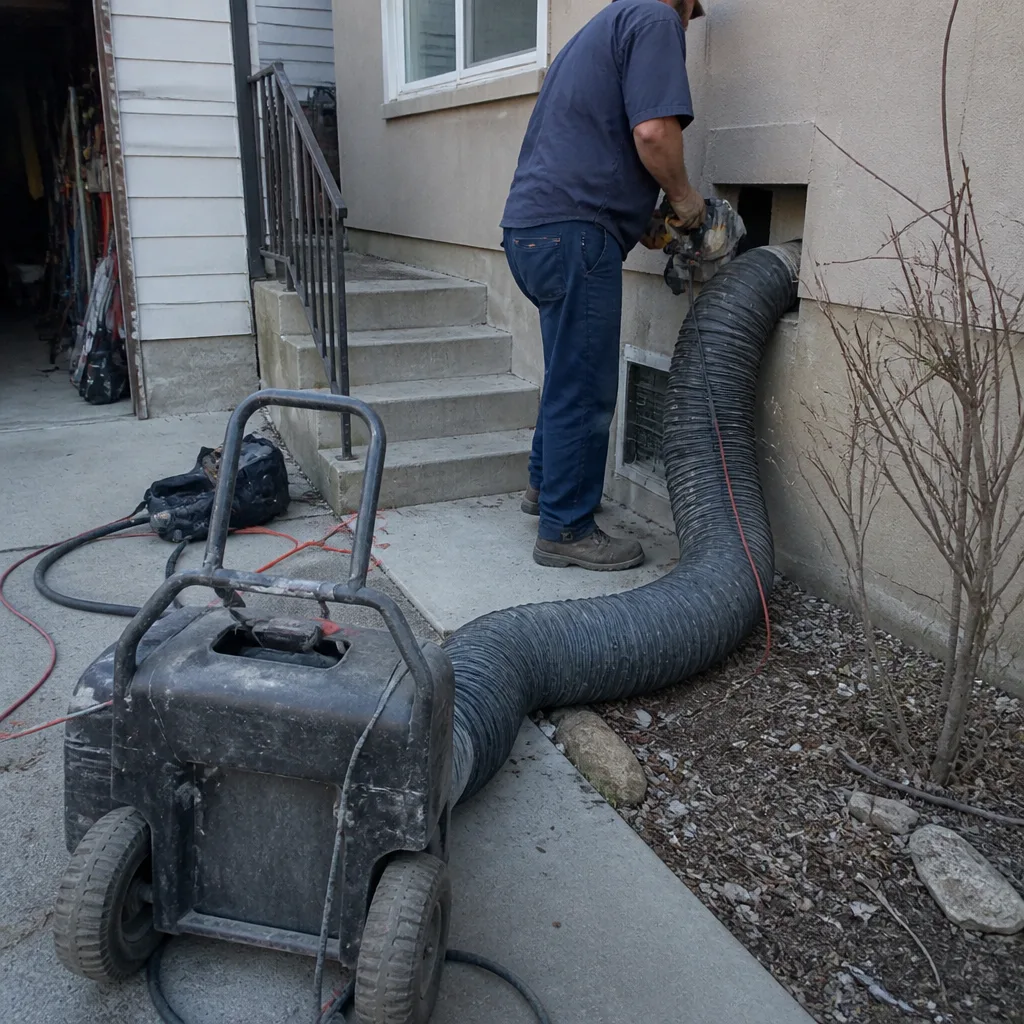
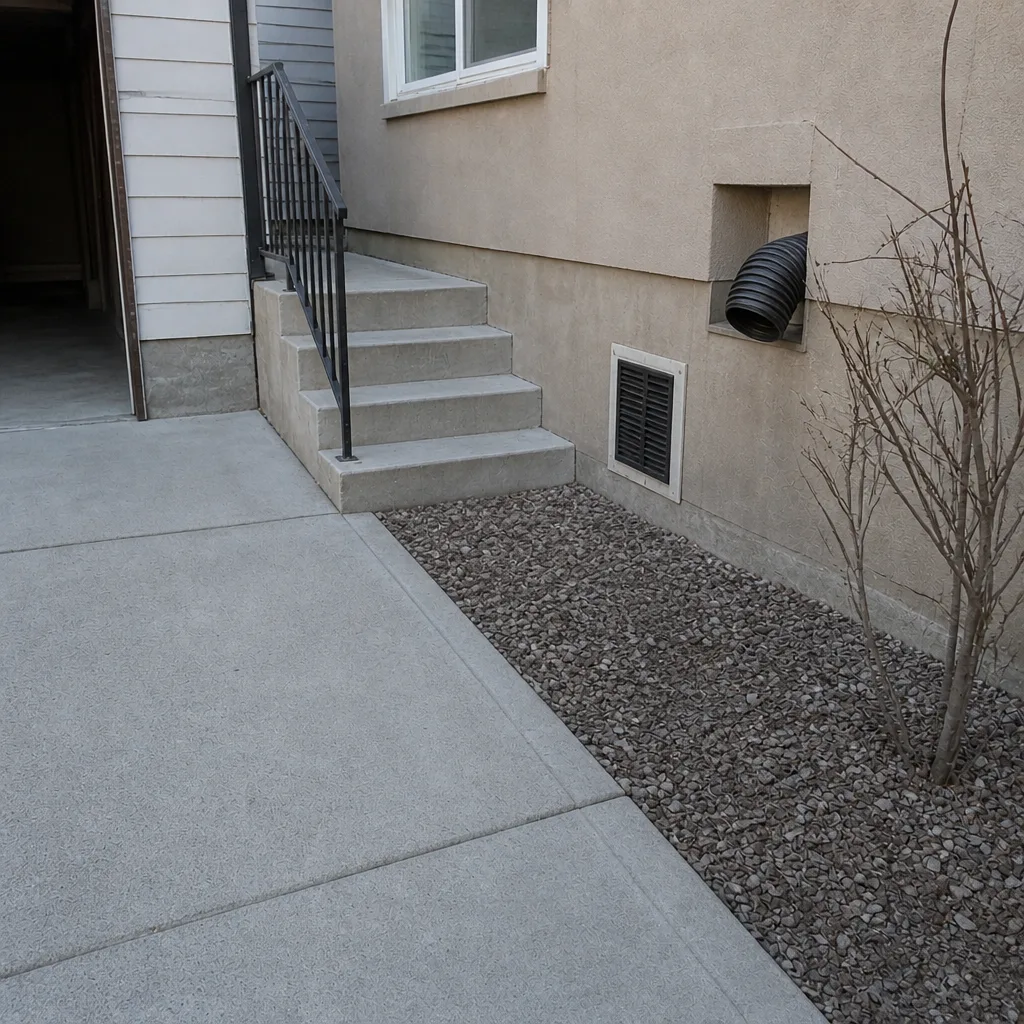
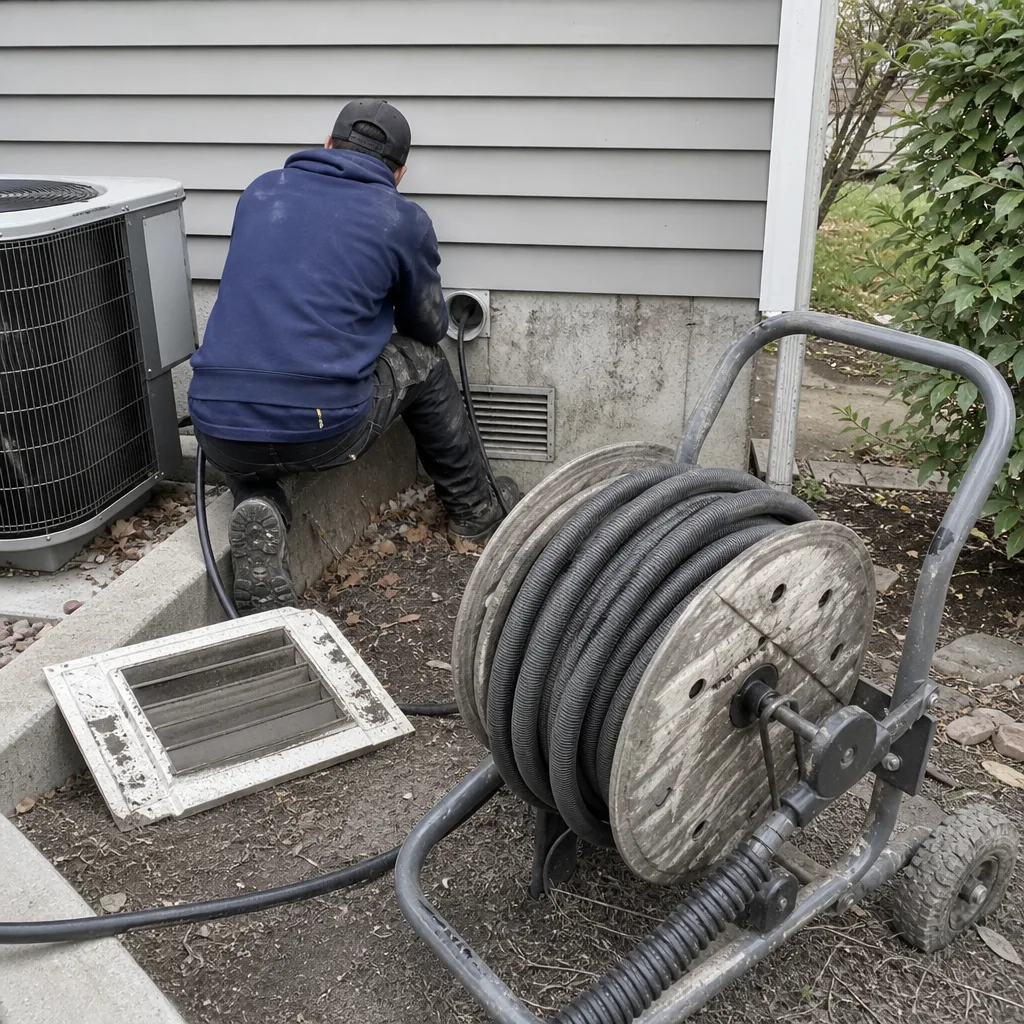
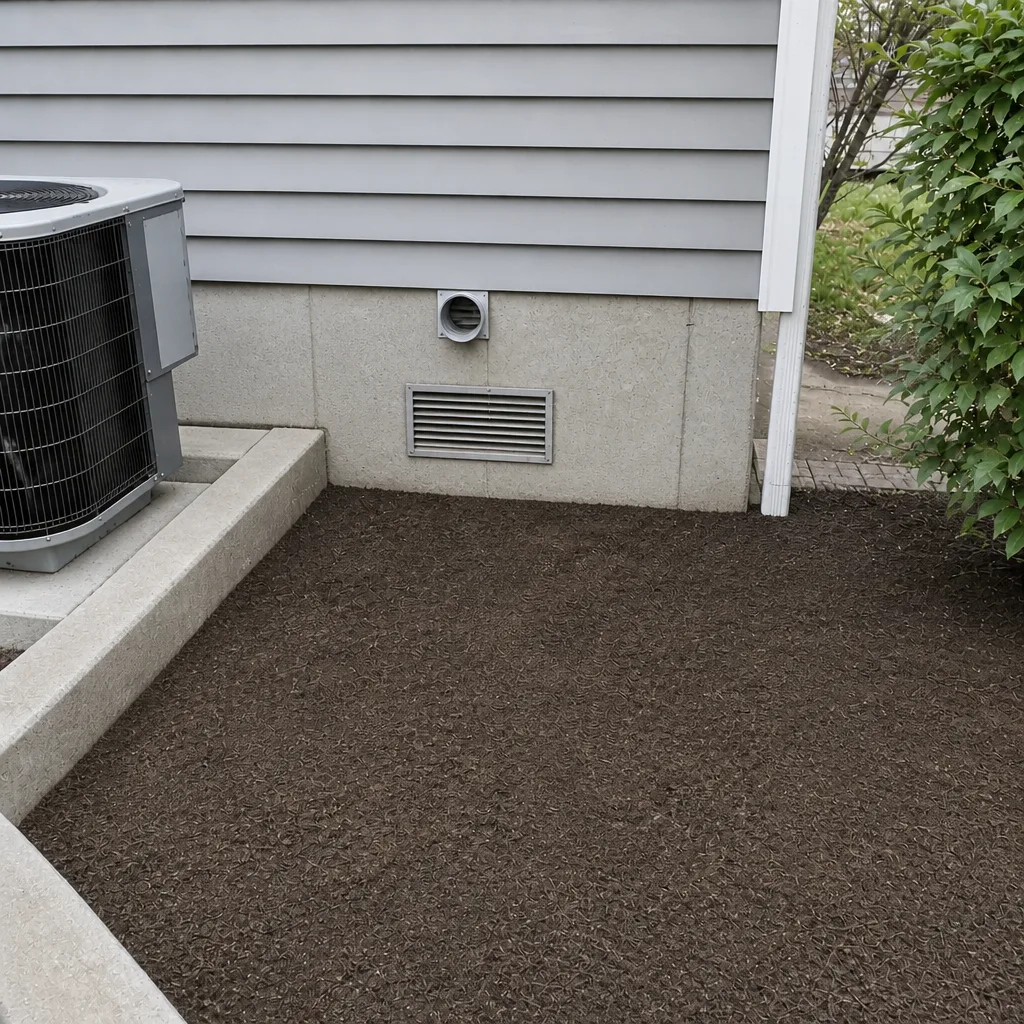
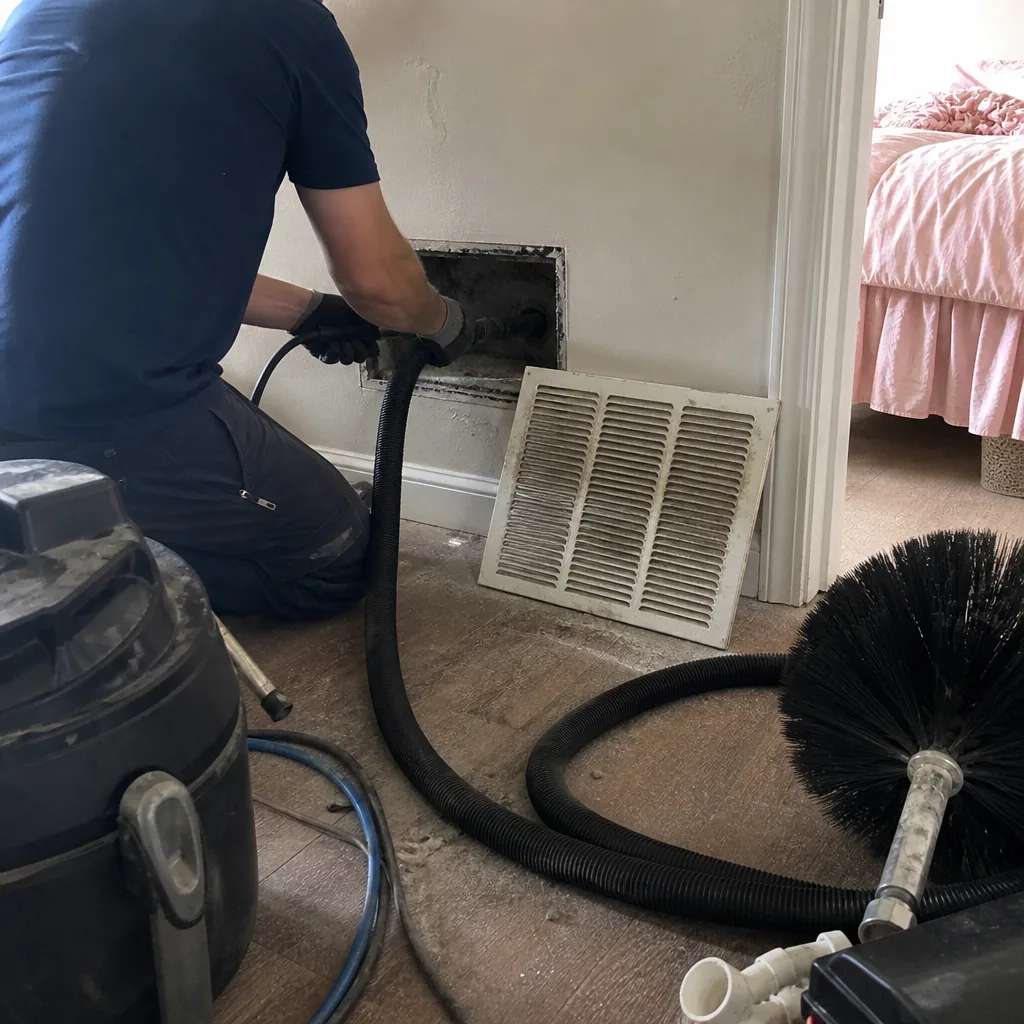
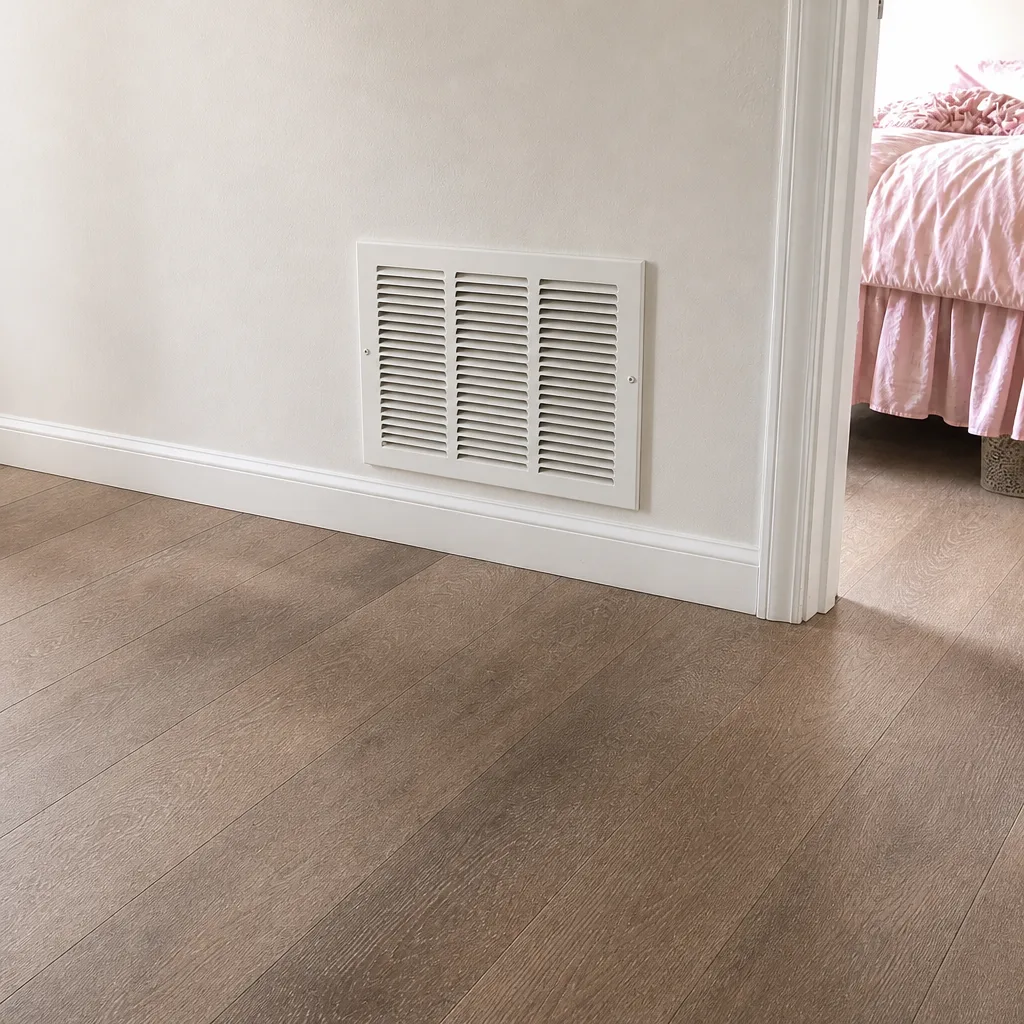
- Not documenting the work. Before-and-after photos of your own ducts are your proof the job happened. Ask for them.
See the difference
 Before
 After
 Before
 After
 Before
 After
When to Call a Professional
Call a professional when you’ve found biological spotting, black particulate, or white crystalline residue on your own inspection; when airflow at one register is a fraction of the rest; when a room stays 4 – 6°F off even after equipment was cleared; when a specific smell appears at specific registers at every season change; or when you’ve wrapped up a renovation and the system ran through the dust. Any one of these is enough. Provo Air Duct Cleaning offers free estimates in Provo – call (855) 658-4391. We answer 24/7. Fast dispatch from 7am to 7pm, Sunday through Friday. One flat price per system, agreed before work starts, and before-and-after photos of your own ducts.
Frequently Asked Questions
Most residential duct cleaning jobs in Provo run a few hundred dollars for a standard home, with the exact price set by the written estimate after we inspect the system. Price depends on the number of runs, contamination level, and whether repair, sealing, or sanitizing is needed. We don’t quote per vent or run coupon pricing. Call (855) 658-4391 for an exact quote – estimates are free.
Cheap quotes usually skip parts of the job: no actual source work, no repair, no documentation. A low teaser price that grows once the technician is on site is the oldest problem in this trade. We set one flat price per system before work starts, so there are no surprises. Call (855) 658-4391 for an exact quote – estimates are free.
Ask for before-and-after photos of your own ducts, not stock images. A proper job uses mechanical agitation and contained extraction, which leaves a visible difference inside the registers and boots. We photograph the work on your own system. Call (855) 658-4391 for an exact quote – estimates are free.
Most Provo homes benefit from cleaning every few years, but the real trigger is the signs in this guide, not the calendar. A home that’s been through a renovation or has pets or allergies may need attention sooner. Inspect your registers annually and match the interval to what you find. Call (855) 658-4391 for an exact quote – estimates are free.
A musty smell at the return vents signals moisture on the return side, often at the cooling coil or in ductwork running through a humid crawlspace. It’s a moisture and growth problem first. Cleaning helps, but the source needs to be corrected or it comes back. Call (855) 658-4391 for an exact quote – estimates are free.
No, dryer vent cleaning is a separate service, and it’s a fire-safety service, not a maintenance item. It belongs in the same visit as a duct job because a hot linty smell or slow drying is a real risk. We handle both under one company. Call (855) 658-4391 for an exact quote – estimates are free.
The Bottom Line
Read your registers before you replace your furnace. The five residue signs, the equipment-versus-duct test, and the airflow and smell mapping in this guide give you enough to spot most problems yourself. What they also show is that “cleaning” is often only part of the answer. If a branch is collapsed or a joint is leaking, only repair and sealing fix it. That’s the whole-system view: the pathway gets cleaned, sealed, and sanitized, not just vacuumed. Our technicians have up to 9 years of experience, and we work with the brands already in your home. If any sign in this guide looks familiar, get the system checked.
Written by the team at Provo Air Duct Cleaning.