
Last updated November 24, 2026
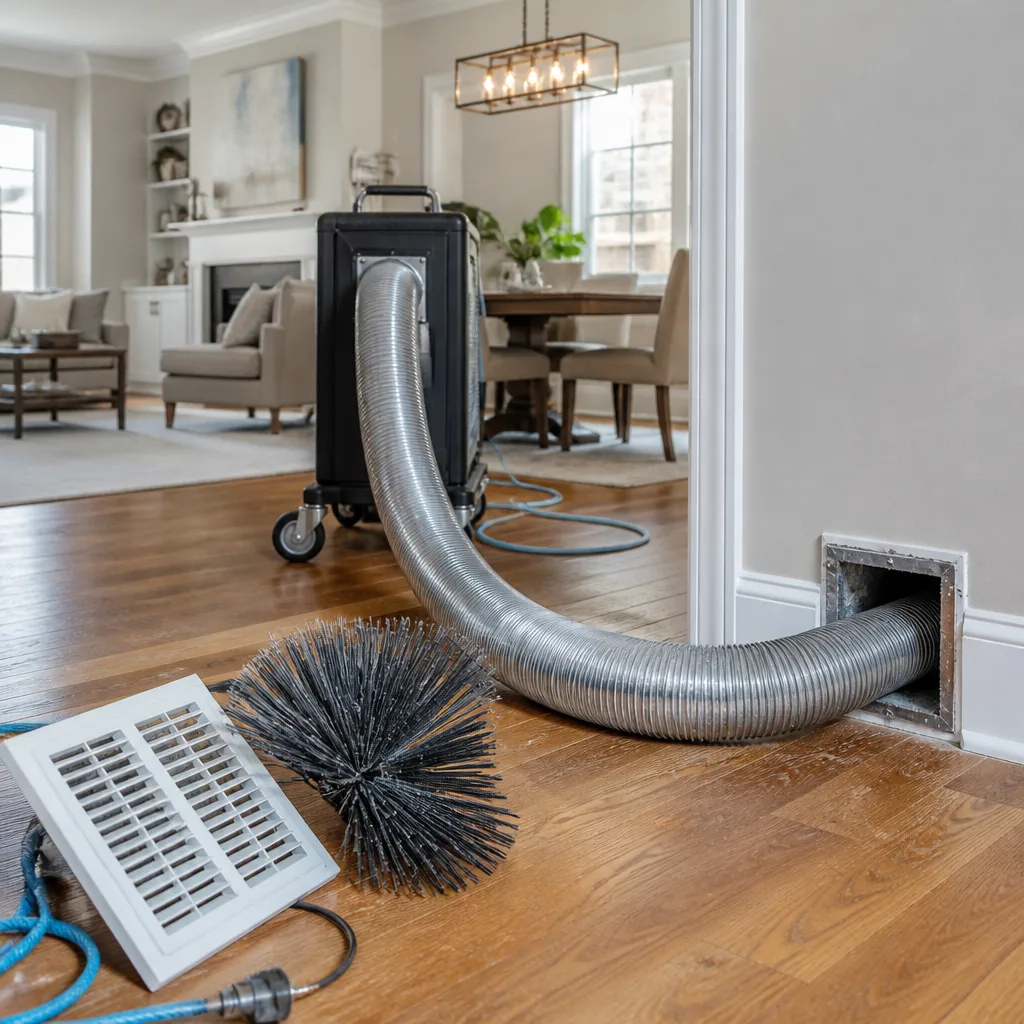 Whole-home duct cleaning
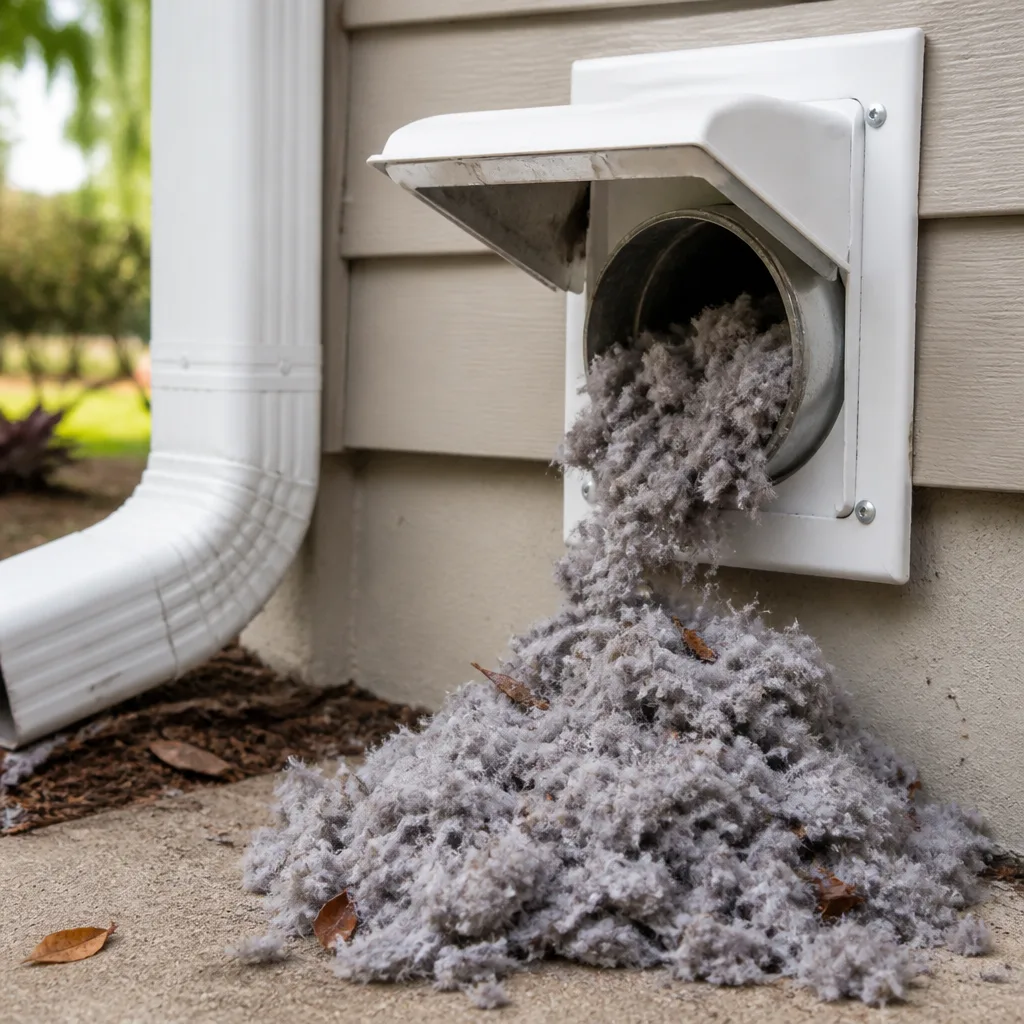 Dryer vent cleaning
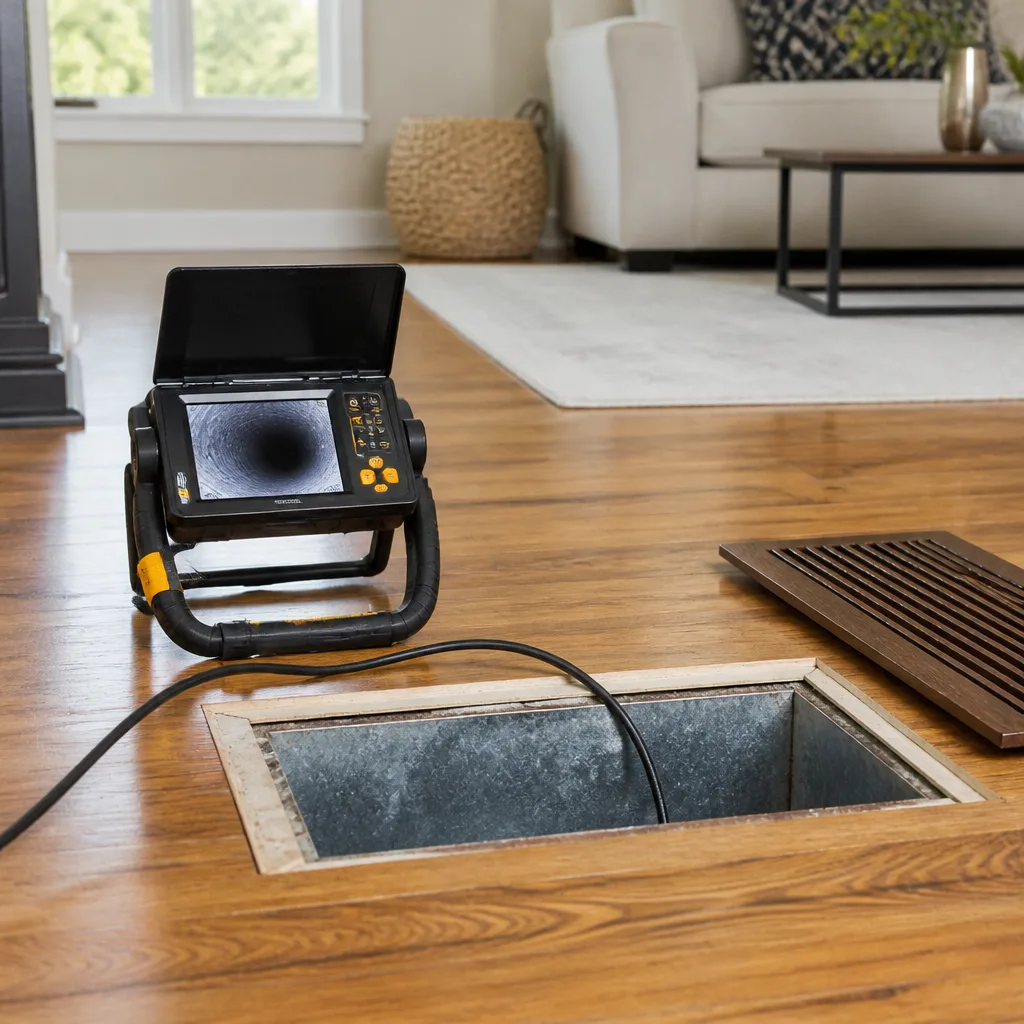 Camera inspection
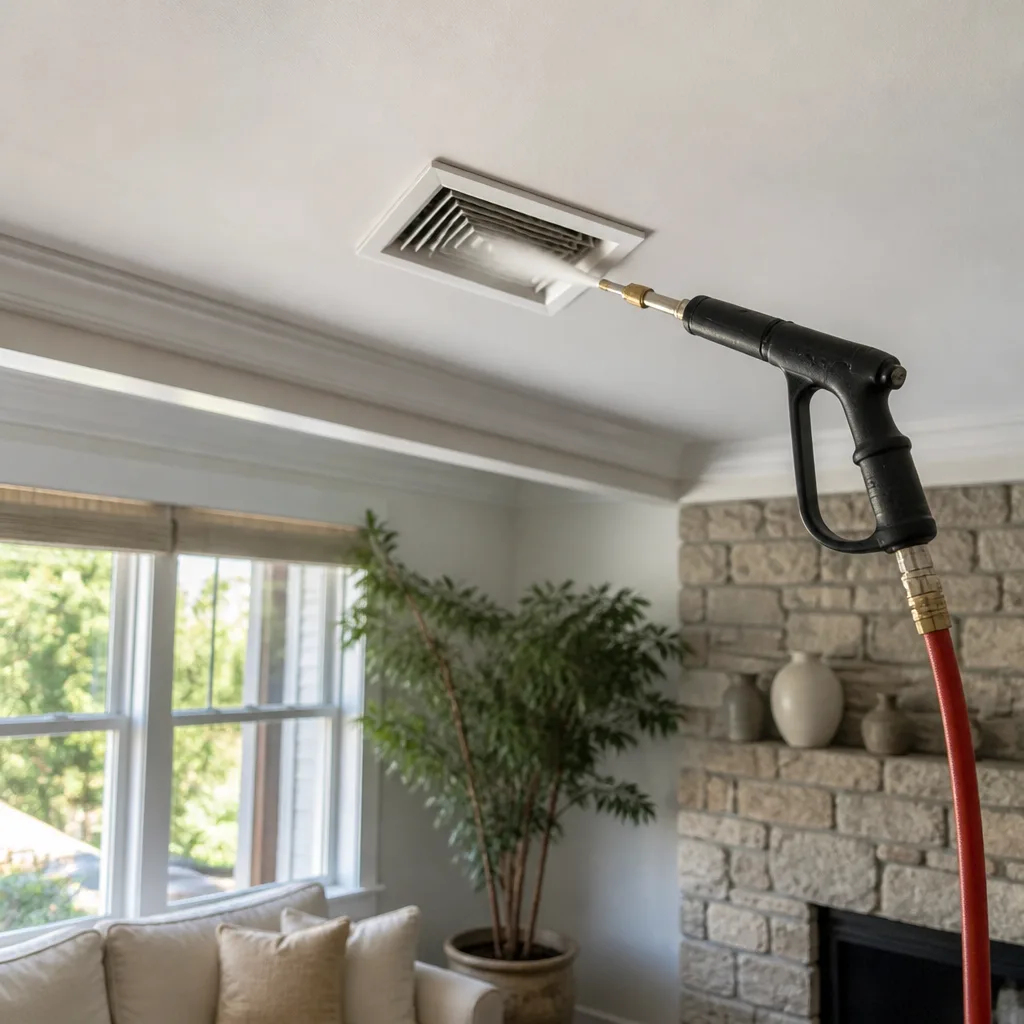 Sanitizing & deodorizing
Whole-system duct and dryer vent check with before-and-after photos - you see exactly what came out of your vents
That "$99 whole-house special" is a bait ad - the real number appears once they are in your hallway, or the "clean" is a shop-vac at the register. We photograph the inside of your ducts before and after instead.
Air Duct Cleaning Cost Breakdown: The Provo Homeowner’s Reference for 2026
The lowest quote you get for duct cleaning in Provo won’t be a discount on the same job. It’s usually a different job entirely. Somewhere between that low teaser number and a full-system price sit the components nobody mentions on the phone: the air handler cabinet, the blower wheel, the evaporator coil, and the sanitizing step. Once you know what a complete clean actually involves, the pricing stops looking random and starts looking like a scope document. This guide breaks down what a real full-system clean costs in Provo in 2026, line by line, so you can compare bids on scope instead of on the headline number.
Quick Answer
A full-system air duct cleaning in Provo typically runs $350 to $650 for a standard single-family home in 2026, with the exact figure depending on square footage, duct material, number of returns, accessibility, and how dirty the system is. That range covers the air handler cabinet, blower wheel, evaporator coil, and the main supply and return runs; sanitizing, coil cleaning, and duct sealing are quoted as separate line items. A $99 bid is not a cheaper version of this job. It’s a partial one.
Styles & brands we work with
- Whole-home duct cleaning
- Dryer vent cleaning
- Camera inspection
- Sanitizing & deodorizing
Table of Contents
- Why Duct Cleaning Quotes in Provo Vary So Widely
- Line-Item Cost Breakdown for a Standard Provo Home
- What Actually Drives the Price: Size, Material, Returns, Access
- How to Compare Two Quotes on Delivered Value
- Add-Ons With Real ROI Versus Upsells That Don’t
- What to Ask Before You Accept an Estimate
- Provo-Specific Context: Climate, Housing, and Dust
Why Duct Cleaning Quotes in Provo Vary So Widely
Two quotes for the same house, one at $129 and one at $475, are rarely describing the same work. In our experience the difference almost always comes down to four things, and none of them is profit margin. The first is whether the air handler unit (AHU) is opened at all. The second is whether the blower wheel gets cleaned. The third is whether the evaporator coil is touched. The fourth is whether any sanitizing step is included. Strip those out and the low bid becomes very easy to hit, because the actual ductwork is only part of what a system clean touches.
A low-bid job usually means a technician connects a vacuum to one or two registers, runs a rotary tool briefly, and leaves. That’s not nothing. But if the blower wheel is caked in dust and the coil is matted, the ducts themselves are cleaner than the components moving air through them. You paid to clean half the pathway.
Provo homeowners deal with a particular version of this. Utah County has plenty of homes built between the 1970s and the 2000s, and many of those systems use flex duct, duct board, or a mix of materials under one roof. Flex is harder to clean mechanically without damaging the liner, which means a low-bid operator either does a superficial pass or skips it. The complicated jobs, the ones that actually need professional equipment, tend to be the ones where the price gets quoted too low to cover the work.
Here’s the honest framing: a $129 price and a $475 price can both be accurate estimates for what they cover. The question is which one describes your house. If you want air duct cleaning that includes the whole air pathway, you’re shopping for the $475 scope, not the $129 one.
Line-Item Cost Breakdown for a Standard Provo Home
Below is a realistic 2026 breakdown for a single-family home in Provo in the 1,500 to 2,500 square foot range, assuming average contamination and reasonable access. Every one of these figures is an estimate, and the written quote sets the actual price.
| Line Item | Typical 2026 Range (Provo) |
|---|---|
| Base duct cleaning (supply + return runs, registers, grilles) | $250 – $400 |
| Air handler cabinet + blower wheel cleaning | $75 – $140 |
| Evaporator coil cleaning | $80 – $160 |
| Sanitizing treatment (whole system, post-clean) | $75 – $150 |
| Access panel repair or sealing | $40 – $120 |
| Full-system clean (typical total) | $350 – $650 |
Notice that the full-system total is not simply the sum of every line. A crew that opens the AHU is already there, so the incremental time to clean the blower and coil is less than a standalone service call for the same work. That bundling is why a complete clean is a better value per dollar than adding those services later.
What also belongs in a serious quote: mechanical agitation with a rotary brush system, HEPA-rated containment so debris doesn’t get stirred into your living space, and a pre-clean inspection. We run Rotobrush rotary systems and Nikro HEPA equipment, and we use Abatement Technologies filtration gear on jobs where contamination is heavier than typical dust. Those are not marketing words. They’re the difference between a job that removes material and one that just moves it.
For the scope beyond the ducts themselves, see HVAC cleaning, which covers the AHU, coil, and component side of the system.
What Actually Drives the Price: Size, Material, Returns, Access
Five factors explain nearly all of the variation you’ll see between estimates for otherwise similar Provo homes. A legitimate quote will reference at least a few of them; a one-number phone quote probably won’t.
- Square footage and system size. A 1,200 square foot home on one system is a different job than a 3,200 square foot home with zoned equipment. More runs, more time, more material.
- Duct material. Sheet metal cleans predictably. Flex duct requires careful brush work to avoid tearing the liner. Duct board (rigid fiberglass) is the trickiest because the interior surface is easily damaged, and a heavy-handed pass can leave fibers exposed.
- Number of returns. Returns are often the dirtiest part of the system because they pull air from floor level. A house with four returns takes longer than a house with one, and the difference is real.
- Accessibility. If the system has no access panels, the technician has to cut and reseal them. That’s legitimate labor. A quote that ignores it is either assuming it’s easy or planning to skip it.
- Contamination severity. Post-renovation homes, homes with pets, and homes that have never had the ducts cleaned carry more material. Drywall dust from a recent remodel is one of the heaviest loads we see in Provo, and it requires more passes, more filter time, and often a sanitizing step.
Basements are common in older Provo neighborhoods, and a basement system run can add to the total run length substantially. Homeowners in the older blocks near downtown Provo and along the neighborhoods around Brigham Young University often deal with systems that have been retrofitted or partially re-ducted over time. Those are almost always more involved than a clean install, and a quote should reflect that.
How to Compare Two Quotes on Delivered Value
A $400 quote that includes AHU cleaning is cheaper per unit of value than a $150 quote that skips it, because you avoid paying twice. If you get a $150 partial clean and then a year later find out the blower wheel and coil were never touched, you’ll spend more in total than if you’d done it right the first time.
Use this sequence to compare:
- Ask for the scope in writing. The quote should name each component: supply runs, return runs, registers, AHU cabinet, blower wheel, evaporator coil, sanitizing, access work. If it just says “duct cleaning,” you don’t know what you’re buying.
- Ask what equipment will be used. A rotary brush system plus HEPA vacuum is the baseline for real work. If the answer is “a big shop vac,” the job will be superficial.
- Ask whether photos will be taken. Before-and-after photos of your own ducts and AHU are the simplest way to verify the work happened.
- Ask whether the price is fixed. A written estimate that holds is a commitment. A phone quote that “may go up depending on what we find” is a starting point, not a price.
- Compare on scope per dollar, not on total. Line up each quote’s components side by side and see what’s missing from the cheaper one. The gap is usually exactly the AHU, blower, coil, and sanitizing step.
This is where the bait-and-switch reputation in this industry comes from. It’s rarely invented. It’s structural. A crew books a hundred calls a month at $99 and makes money on the upsell once they’re in the door. The alternative is a single flat price per system, agreed before work starts, with the scope written out. That’s what we quote, and it’s why the number is higher on the phone and lower at the end.
Add-Ons With Real ROI Versus Upsells That Don’t
Add-ons split cleanly into two groups: services that solve a documented problem, and services that exist because they sell well. Here’s how to tell the difference.
Add-ons worth paying for
- Duct sealing. If your ducts leak, you’re paying to heat or cool your crawlspace. Duct sealing closes those leaks and has a real effect on system efficiency and indoor comfort. Systems with documented leakage metrics show measurable improvement after sealing; ask for an assessment before you commit.
- Dryer vent cleaning. Lint accumulation in dryer vents is a recognized fire hazard, and it’s a core service for us for that reason. This is not a maintenance item. It’s a fire-safety service, and if you’ve never had it done, it should be on your list. See dryer vent cleaning for the full scope.
- Whole-home filtration upgrades. If you’re sensitive to dust or have allergy concerns, adding a media filter cabinet or upgrading to a higher-grade filter housing has a clear long-term effect. We work with brands like Aprilaire and Honeywell because they’re already part of many Provo homes’ systems.
- Sanitizing after contamination events. Post-renovation, post-mold-remediation, or post-pest situations justify a sanitizing step. That’s a specific use case, not a routine upsell.
Add-ons that rarely earn their price
- “Premium” sanitizer sprays with no independent efficacy data. If a company can’t tell you the active ingredient and where independent testing has been published, the spray is doing ritual more than function.
- Repeated annual cleanings on a system that isn’t contaminated. Most homes don’t need a full clean every year. Every three to five years is more typical for a home with normal dust.
- “Duct deodorizing” as a standalone. It masks odor. It doesn’t fix the source, which is almost always moisture or a system issue.
What to Ask Before You Accept an Estimate
The right questions turn a vague quote into a defensible one. Ask them on the phone, before anyone schedules a visit.
- Is the AHU included in this price? If the answer is no, the quote is partial.
- Is the blower wheel cleaned? Is the evaporator coil? Both are common dust traps and both should be named in the scope.
- What equipment do you use for extraction and contamination control? The answer should name specific equipment categories, not just “professional equipment.”
- Will you photograph the before and after? A company confident in its work will offer this. A company that deflects is telling you something.
- How many returns does this price assume? If the quote was given over the phone without knowing your home, it’s an estimate for an imagined house.
- Is the price fixed for this scope, and what could change it? Contamination severity and access work are legitimate adjustments, but they should be named up front.
- Are you the crew that will show up, or is this a call center? Who does the work matters.
A company that can’t answer all seven is probably not a company that will deliver a full-system clean. In our experience, the questions cost nothing to ask and save real money on the back end. If you’re shopping, the Provo Air Duct Cleaning team will walk through any of these with you before you book.
Provo-Specific Context: Climate, Housing, and Dust
Provo’s climate matters for ductwork in ways homeowners don’t always connect. Utah Valley’s relatively dry air and the dust carried by wind off the surrounding mountains and lakebed areas mean airborne particulate here is a real load, not a cosmetic one. Systems pull in that dust continuously. Homes in Provo that sit near construction corridors or that have been through recent remodels tend to accumulate drywall and construction dust that ordinary filtration doesn’t capture well, which is exactly the kind of contamination that needs proper HEPA extraction, not a surface pass.
Housing stock in Provo splits roughly into pre-1980 and post-1990 construction, and the older systems often have flex or mixed material runs that have been retrofitted at some point. That matters for equipment choice, because a rotary brush has to be run carefully in flex to avoid damage. Professional-grade equipment is what bridges the difference; a shop vac can’t do it either way.
Provo homeowners also tend to invest in their air quality for everyday reasons, not just comfort. For families managing allergies or asthma, the practical question isn’t whether dust exists in the ducts, it’s whether the system is moving it back into the living space. Cleaning the whole air pathway, not just the visible registers, is the answer to that. If you’re weighing a full-system clean against a partial one, the air duct cleaning scope is the one that actually addresses the source.
One more local consideration: local climate means year-round HVAC operation, and that wears filtering components faster. A HVAC cleaning performed alongside a duct clean catches the components that do the filtering work. And for the appliances that need separate attention, dryer vent cleaning is a distinct fire-safety service worth booking on its own schedule.
Common Mistakes to Avoid
- Judging quotes by the phone number alone. The lowest phone quote for duct cleaning in Provo is almost always the most incomplete scope. Compare written scopes side by side before you decide anything.
- Assuming the AHU is included. The air handler cabinet, blower wheel, and coil are not ductwork, and many low-bid operators treat them as out of scope by default. If it’s not named, it’s probably not covered.
- Booking a clean on a system that has never been inspected. Before any work, you want to know what kind of ducts you have (sheet metal, flex, duct board) and what condition they’re in. That’s a five-minute check and it prevents surprises.
- Skipping the pre-clean walkthrough. A proper estimate understands your access points, return count, and system layout. A crew that quotes without seeing the home is guessing.
- Accepting “we photographed everything” without seeing the photos. Ask for the before and after of your own system, not a stock photo of someone else’s clean duct.
- Cleaning the ducts but ignoring the dry cycle. Dryer vents are a separate fire-safety concern, and skipping them because “the ducts are done” is a common and avoidable oversight.
- Repeating a full clean more often than the system needs. Cleaning once every three to five years for a normal Provo home is more typical than annual service. If a company is recommending annual full cleans on a residential system with light use, push back.
See the difference
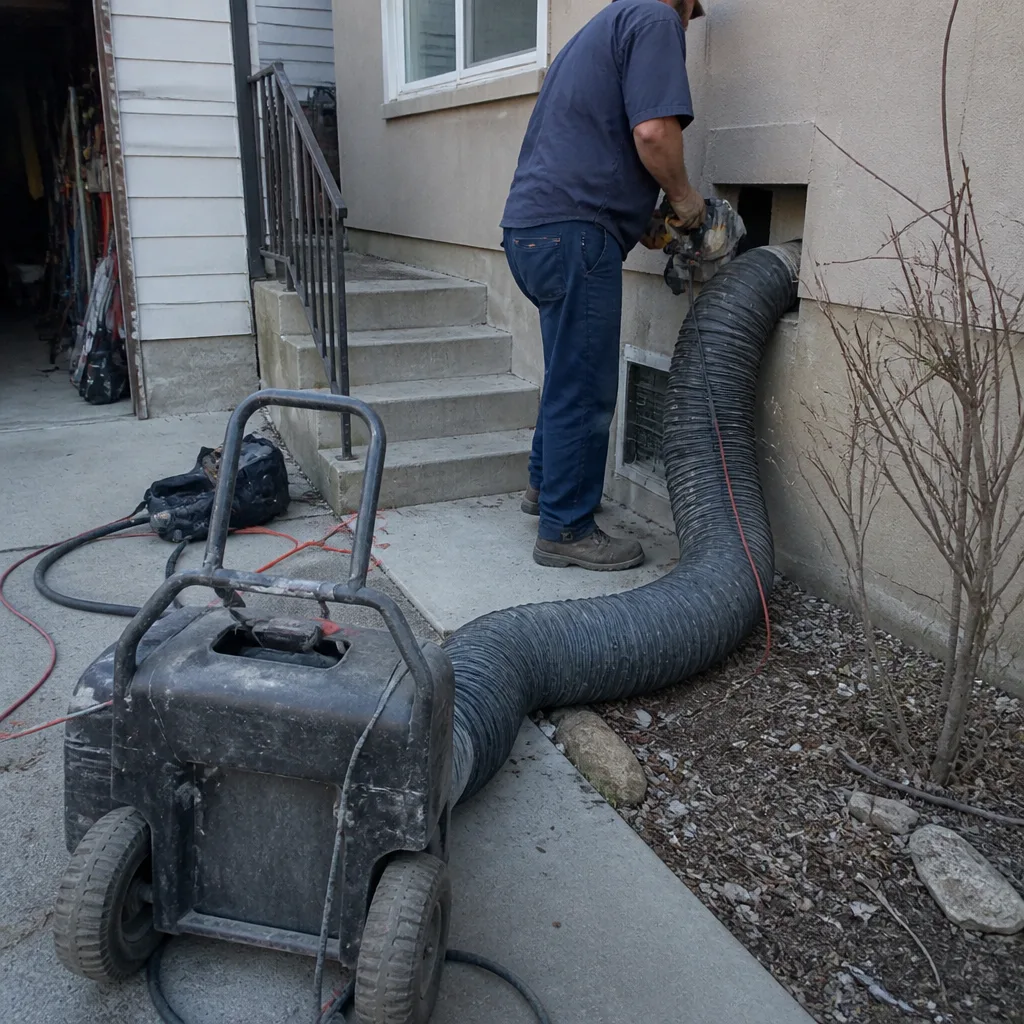 Before
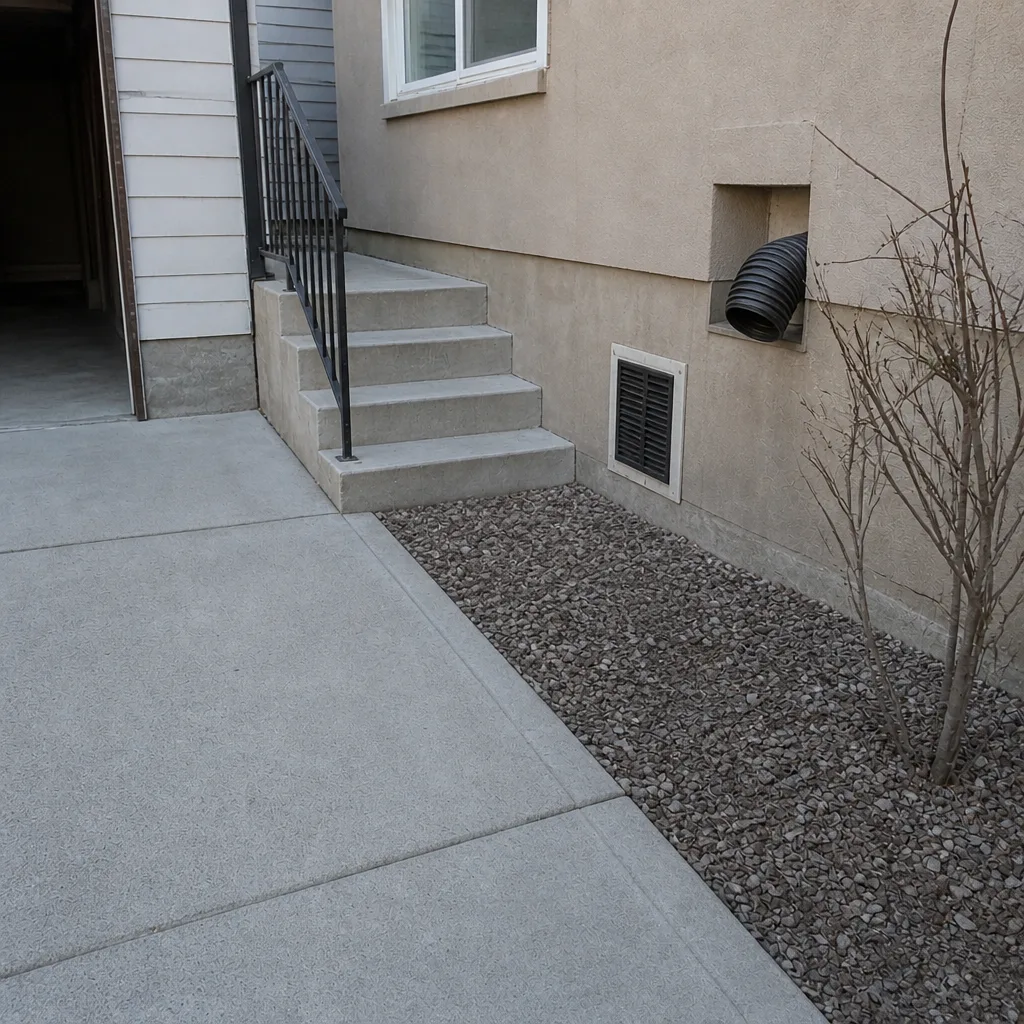 After
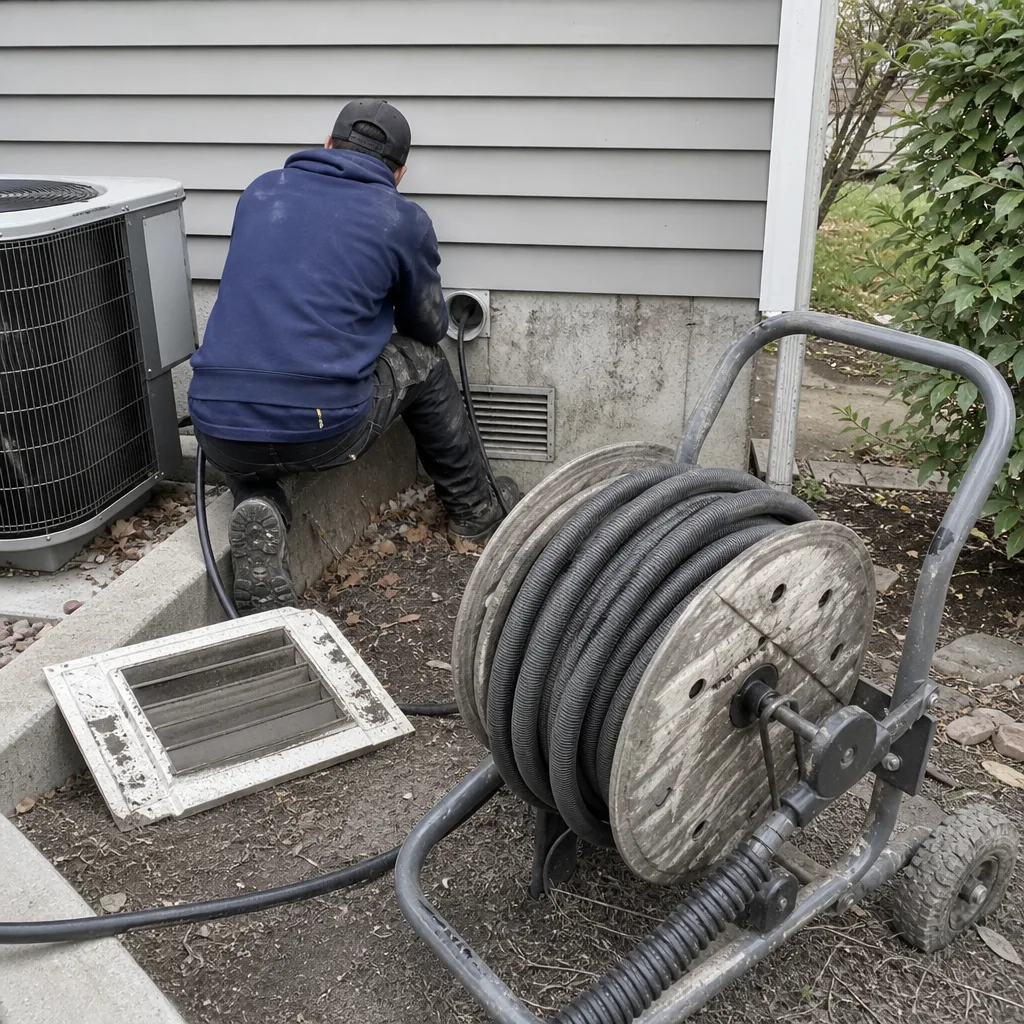 Before
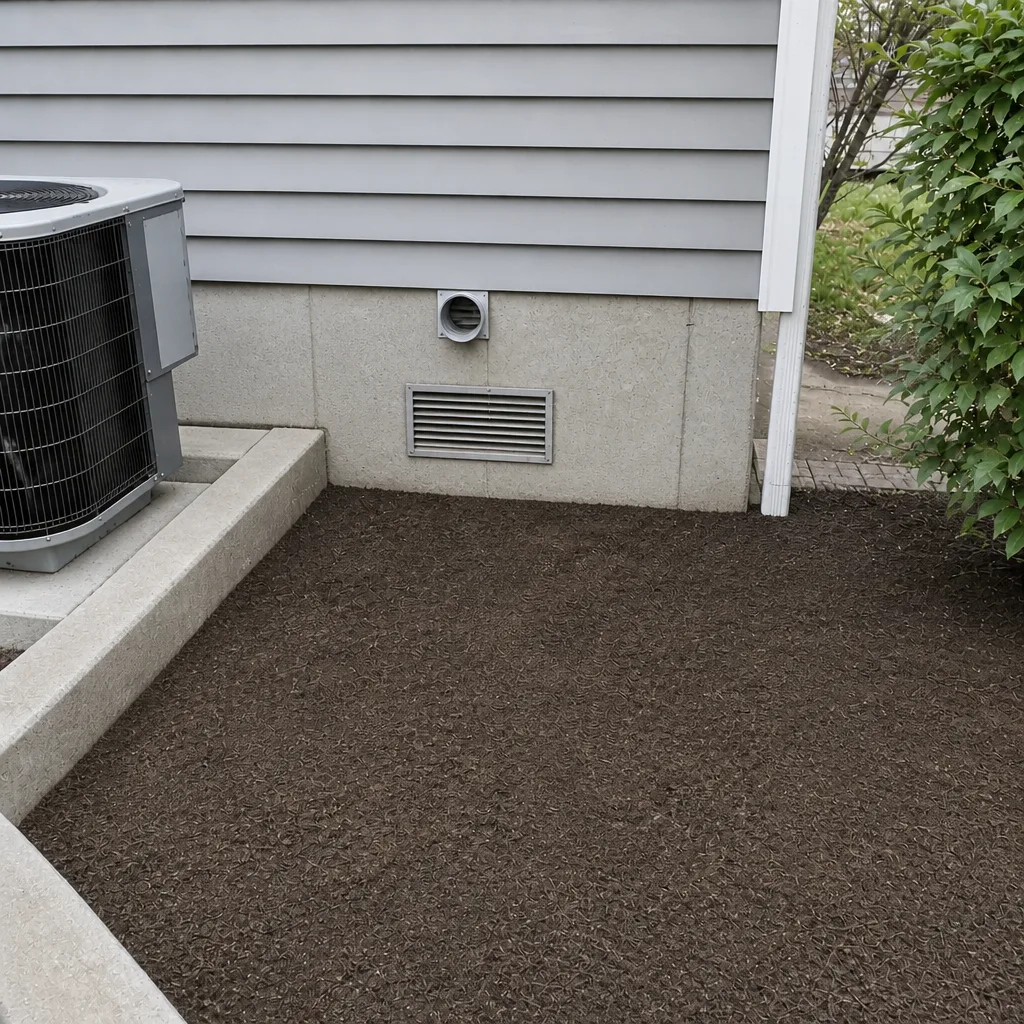 After
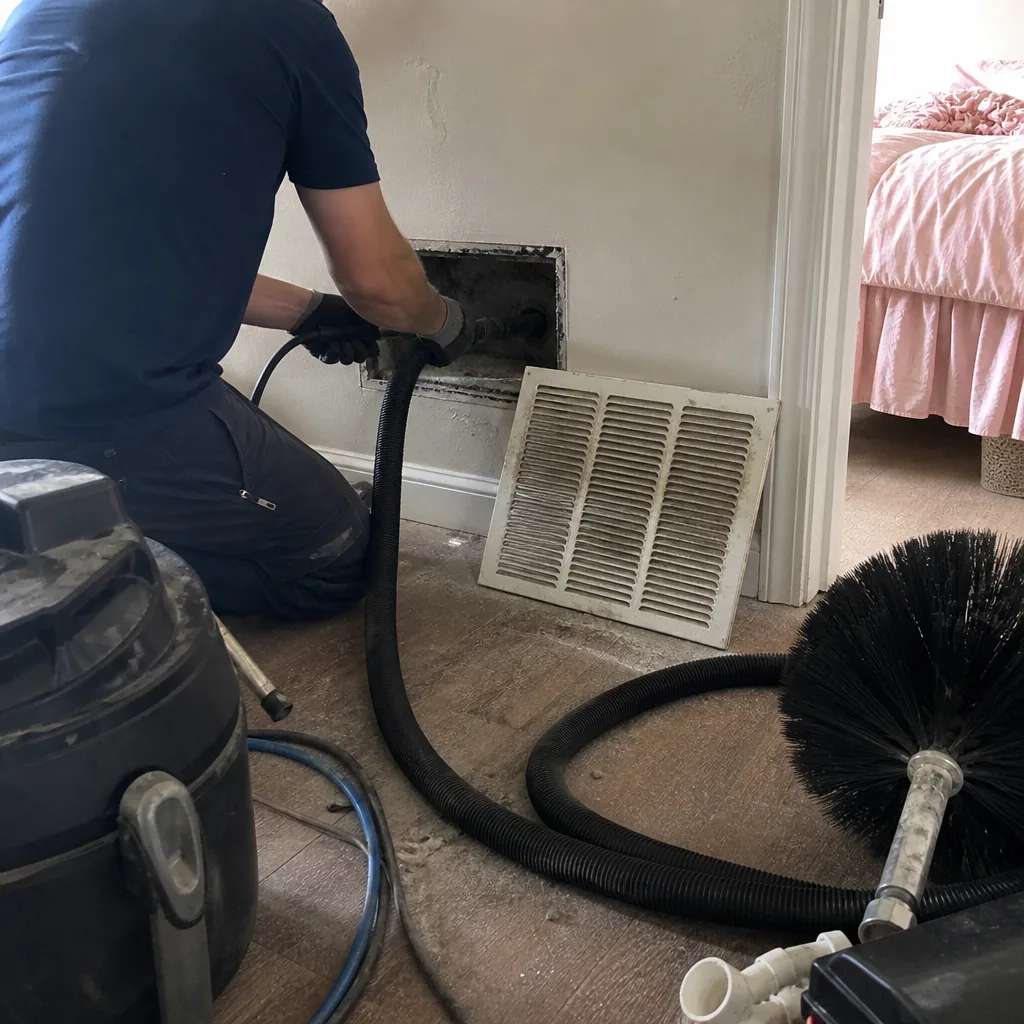 Before
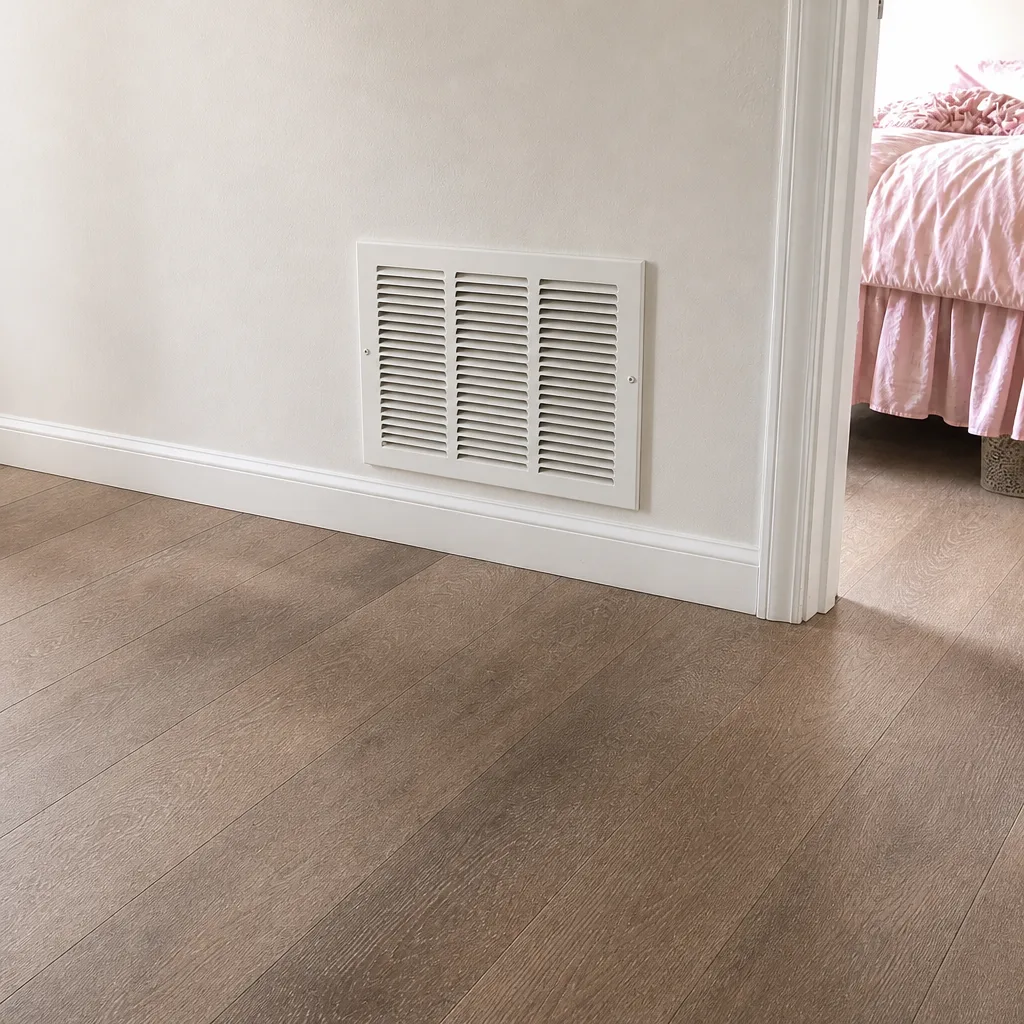 After
When to Call a Professional
Some jobs are obvious. If you’ve just finished a remodel and you can see drywall dust settling on every surface in the house, the ducts are holding more of it than you can vacuum from the floor. If a family member’s allergies or asthma flare indoors more than outdoors, the system is worth checking. If your HVAC airflow has dropped on one side of the house, the blower wheel or a return run may be blocked. If you’ve never had the system cleaned and you don’t know the material, a professional inspection is the right first step. And if you can’t remember the last time the dryer vent was cleared, that one goes on the list today. Provo Air Duct Cleaning offers free estimates in Provo. Call (855) 658-4391. We answer 24/7. Fast dispatch from 7am to 7pm.
Frequently Asked Questions
A full-system clean in Provo in 2026 typically costs $350 to $650 for a standard single-family home, with the exact figure depending on square footage, duct material, return count, and contamination level. A partial clean quoted much lower usually omits the AHU, blower wheel, coil, and sanitizing step. Call (855) 658-4391 for an exact quote. Estimates are free.
Because they cover dramatically less work. A $99 to $149 quote typically covers registers and a light pass, not the air handler cabinet, blower wheel, or evaporator coil, and it rarely includes professional HEPA extraction or sanitizing. Before you compare on price, compare on scope. Call (855) 658-4391 and we’ll walk you through what a full-system clean includes.
Ask for before-and-after photos of your own ducts, AHU, and components, taken by the crew on site. A company confident in its work will provide them without pushback, and the photos should be specific to your home, not stock images. If a company can’t show you what it found and what it cleaned, ask them to. Call (855) 658-4391 to schedule a free estimate.
No. Most Provo homes do well with a full clean every three to five years, with more frequent service if you have heavy pet dander, recent renovations, or allergy concerns in the household. Annual full cleans on a lightly used residential system are generally not necessary. Call (855) 658-4391 to talk through your specific system.
Duct sealing is worth it when the ducts actually leak. It solves a real problem: losing conditioned air into unconditioned space. Ask for an assessment of leakage before you commit. If the system is tight, sealing is unnecessary; if it’s not, sealing has measurable effect on comfort and efficiency. Call (855) 658-4391 for an estimate that includes a leakage check.
A crew should arrive with rotary brush and HEPA vacuum equipment, walk the home with you to confirm access, and photograph the system before starting. Expect the AHU to be opened, the ducts agitated and extracted, the interior wiped down, and a final verification walkthrough with the after photos. If any part of that is missing from a planned visit, ask why. Call (855) 658-4391 for a free estimate in Provo.
The Bottom Line
The duct cleaning market in Provo rewards attention to scope, not to the lowest number on a phone quote. A full-system clean with professional-grade equipment typically runs $350 to $650 in 2026, and the difference between that and a cheap partial clean isn’t margin. It’s the AHU, blower wheel, evaporator coil, and sanitizing step. Compare quotes on what’s included, ask about equipment, ask for before-and-after photos, and treat duct sealing and dryer vent service as the two add-ons with the clearest payoff. Everything else is negotiable. The written estimate sets the price, and a fixed flat price per system is the way to know exactly what you’re paying before anyone arrives.
Call (855) 658-4391 for a free estimate. We answer 24/7. Fast dispatch from 7am to 7pm, Sunday through Friday.
Written by the team at Provo Air Duct Cleaning.