
Last updated November 24, 2026
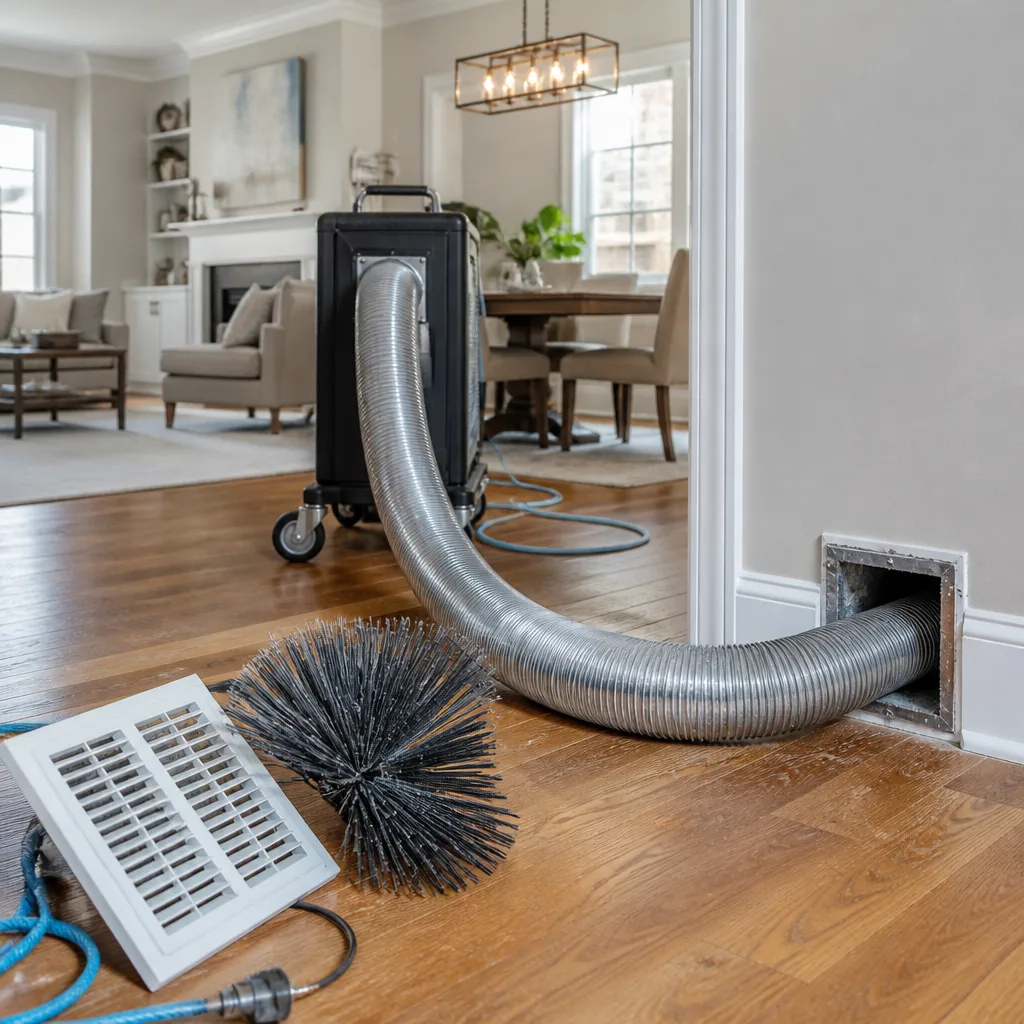 Whole-home duct cleaning
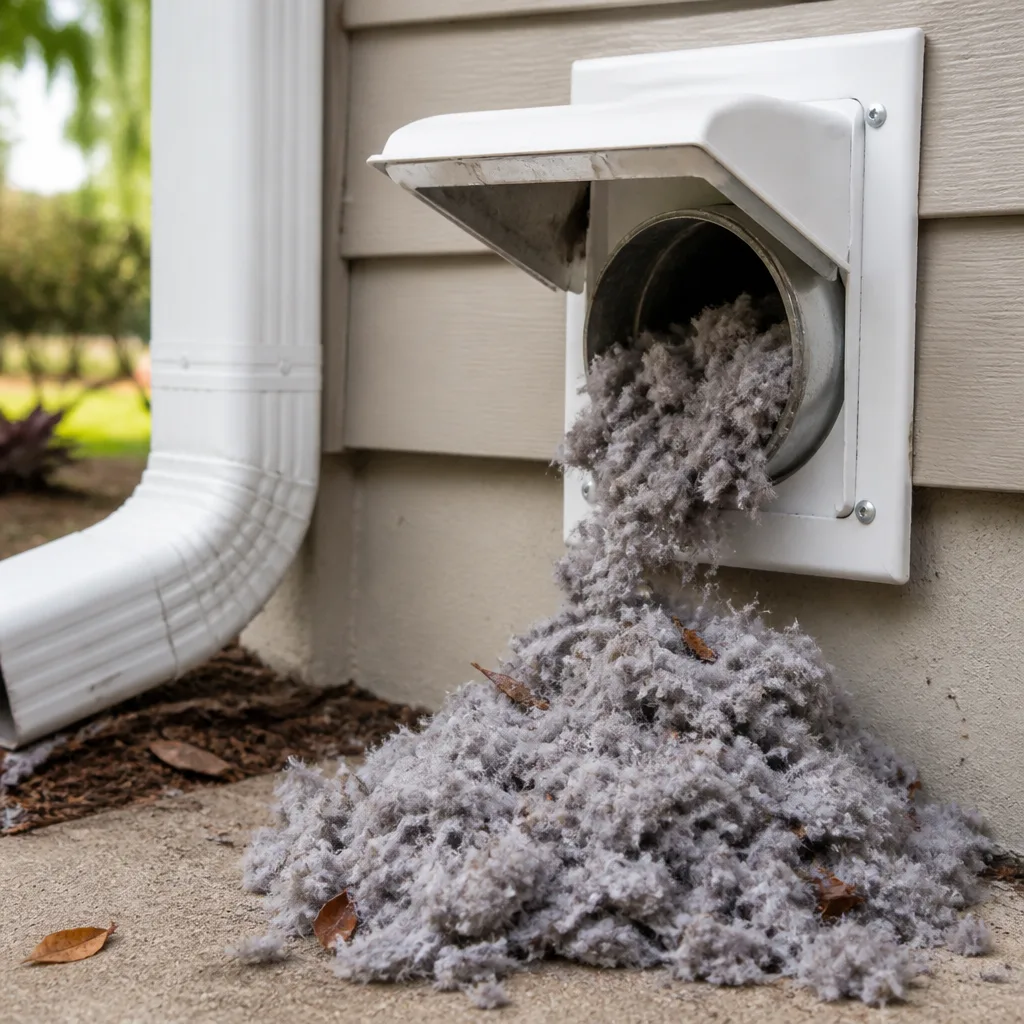 Dryer vent cleaning
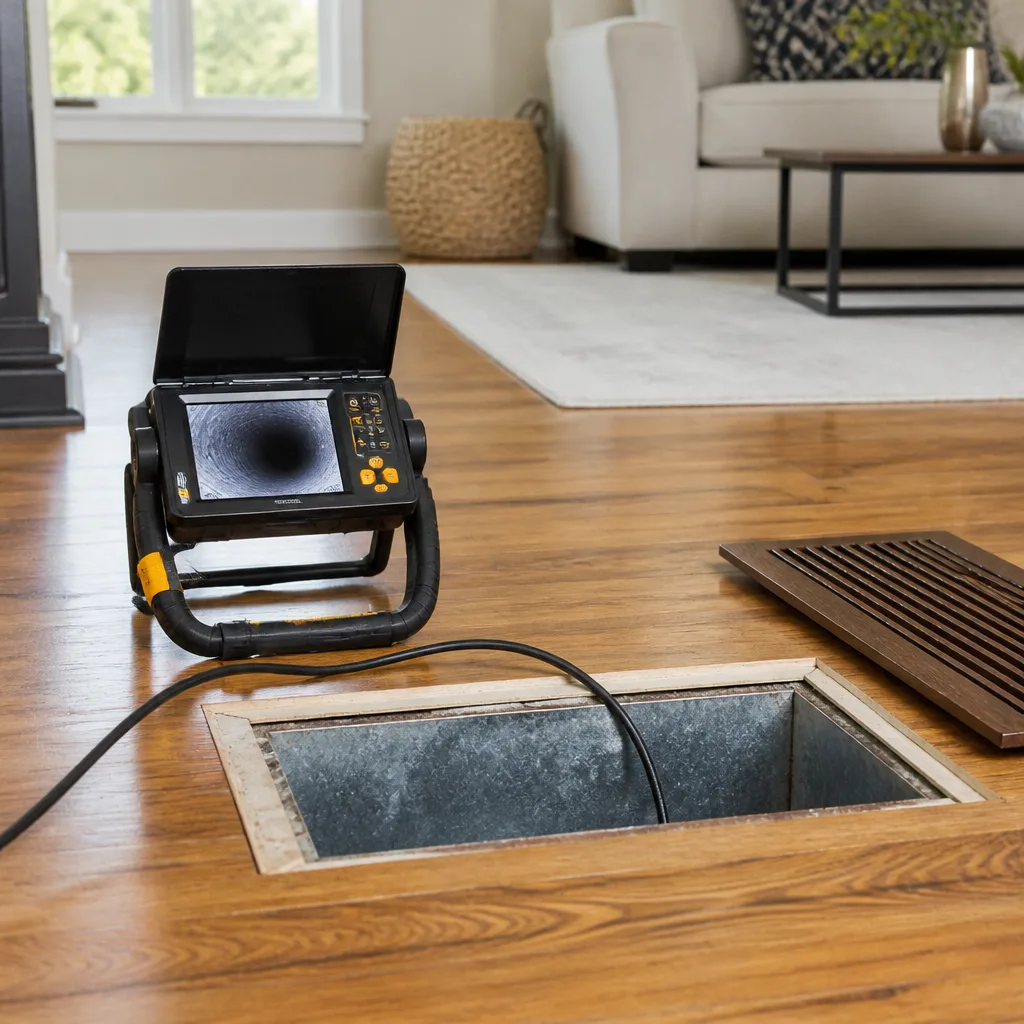 Camera inspection
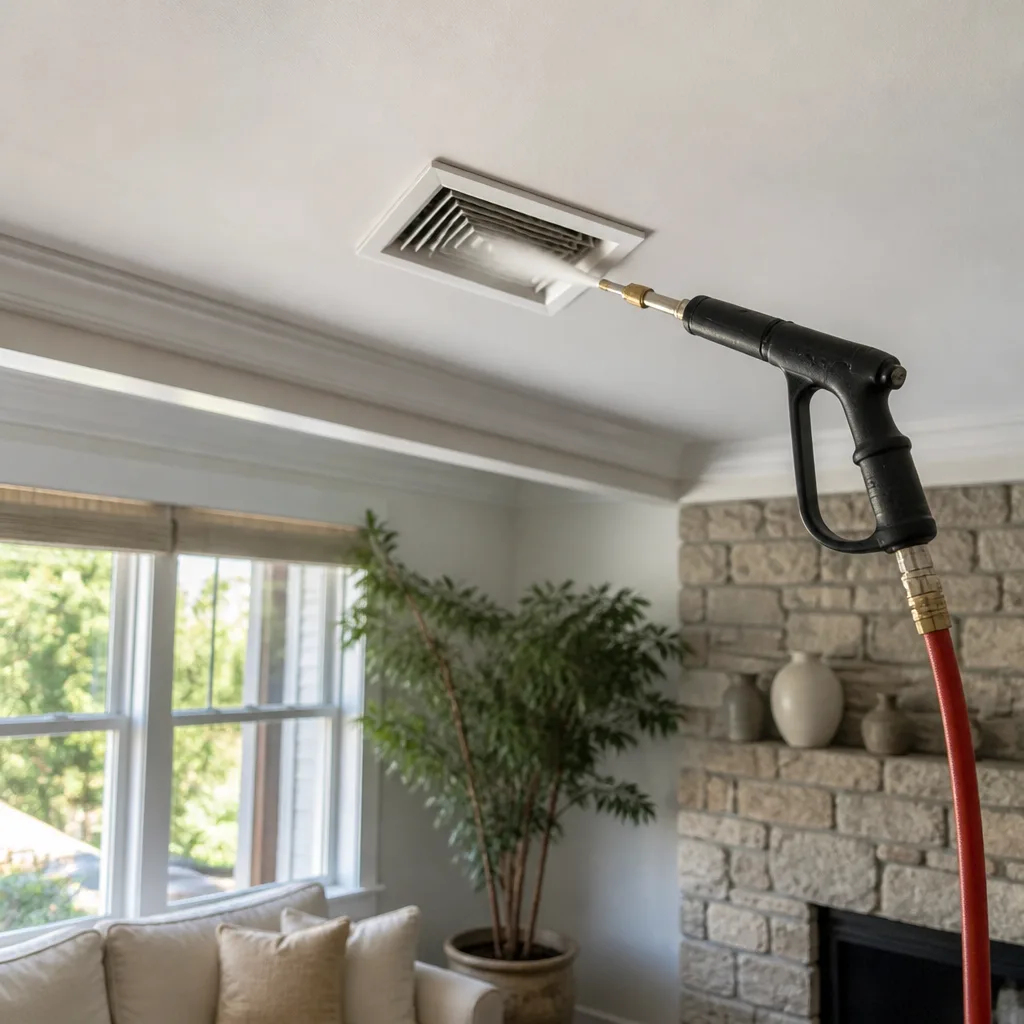 Sanitizing & deodorizing
Whole-system duct and dryer vent check with before-and-after photos - you see exactly what came out of your vents
That "$99 whole-house special" is a bait ad - the real number appears once they are in your hallway, or the "clean" is a shop-vac at the register. We photograph the inside of your ducts before and after instead.
Air Duct Cleaning Troubleshooting in Provo: Common Problems and How to Fix Them
If one room in your Provo home runs 8-10°F hotter than the thermostat setting, the furnace is usually not the problem. A collapsed flex duct or a disconnected trunk line you’ve never laid eyes on is the far more likely culprit. Most homeowners call an HVAC contractor ready to talk about replacement when the real issue is duct-side: a pressure imbalance, a crushed run behind drywall, or a seal that gave out years ago. This guide walks you through reading your system’s symptoms the way a technician does, mapping what you see and hear to specific duct failures, and knowing which fixes you can handle and which need professional equipment. We cover the failure modes we see repeatedly in Provo homes built between 1980 and 2005, the diagnostic checks worth doing before anyone quotes you a new unit, and how static pressure testing finds restrictions no walk-through ever will.
Quick Answer
Most duct problems in Provo trace back to a small set of causes: crushed or disconnected flex runs, leaking joints, undersized returns, and deteriorating duct board. You can spot the obvious ones yourself with a tissue at each register and a look at accessible joints. The rest require static pressure testing, camera inspection, and professional vacuum equipment to diagnose and correct. Fixing the duct system first is almost always cheaper than replacing HVAC equipment that was never the actual problem.
Styles & brands we work with
- Whole-home duct cleaning
- Dryer vent cleaning
- Camera inspection
- Sanitizing & deodorizing
Table of Contents
- What Your Symptoms Are Telling You
- How Static Pressure Testing Finds What Visual Inspection Misses
- Failure Modes Common in Provo Homes Built 1980-2005
- Your DIY Pressure Balance Check: A Tissue and an Incense Stick
- What You Can Fix Yourself vs. What Needs a Professional
- Dust, Odors, and Post-Renovation Debris
- Dryer Vent Troubleshooting: A Fire Risk, Not Just a Clog
- When to Call a Professional
What Your Symptoms Are Telling You
Duct problems announce themselves in a handful of repeatable ways, and each symptom points toward a different cause. Before you assume the furnace or AC is failing, match what you’re experiencing to the list below. In our experience across Provo, the mismatch between symptom and assumption is where most unnecessary equipment replacement starts.
- One room consistently hot or cold while others are comfortable. A single room that won’t hold temperature while the rest of the house is fine almost always has a trunk-line or run problem serving that zone: a disconnected section, a crushed flex line, or a damper stuck closed.
- Whistling or whooshing at a register. Whistling means air is being forced through a gap that’s too small. That’s usually an undersized run, a partially closed damper, or a register grille bent nearly shut.
- Weak airflow at registers far from the air handler. The last registers on a long duct run lose airflow first. Weak pressure at the far end points to an undersized return or a leak upstream robbing the run of static pressure.
- Dust reappearing on surfaces within a day or two of cleaning. That’s a signature of leaking ducts pulling air from unconditioned spaces like attics and crawlspaces, bringing particulates in with it.
- Musty smell only when the system first starts. Odor that appears at startup and fades points to moisture or biological growth sitting in the ductwork, often at a low point or a joint with condensation.
- Noise from the return grille. A loud, rushing return is a classic sign of an undersized return duct that’s starving the system for air.
Each of these is a duct-side diagnosis, not an HVAC diagnosis. That distinction matters in Provo, where a lot of homes have ductwork buried in attic space exposed to significant summer heat and winter cold, and those runs take more wear than most people realize.
How Static Pressure Testing Finds What Visual Inspection Misses
A walk-through with a flashlight only shows you what’s visible. The problems that actually wreck comfort and efficiency usually hide where no one looks: behind finished walls, inside plenum transitions, under attic insulation. Static pressure testing reveals restriction points that visual inspection can’t reach.
Here’s how the process works in a professional setting:
- Baseline measurement. A technician drills small test ports at the supply and return plenums and connects a manometer. This reads the total external static pressure the system is fighting against.
- Compare to design values. The furnace or air handler has a rated static pressure range. If the measured value runs high, the system is restricted somewhere – a clogged coil, a crushed duct, an undersized return, or a filter that’s too dense.
- Isolate zones and runs. By measuring across the system and comparing one branch to another, the technician narrows the restriction to a specific run or trunk section rather than guessing.
- Confirm with airflow readings. Register-level airflow readings taken with a balancing hood confirm which runs are starved and which are over-supplied.
- Camera and vacuum inspection. With the restriction narrowed down, professional-grade equipment such as a Rotobrush rotary brush system and a Nikro HEPA-rated vacuum lets a technician see inside the duct and extract what’s accumulated without blowing debris into the living space.
Static pressure testing is why a proper diagnosis of a Provo home’s duct system happens before any recommendation about repair or replacement. Reading a symptom and guessing at the cause is how homeowners end up paying for a new unit that was never the issue.
Failure Modes Common in Provo Homes Built 1980-2005
Provo’s housing stock includes a lot of homes from the 1980s through the early 2000s, and those decades of construction share predictable duct failure patterns. Knowing what to expect in a home of that era helps you spot problems before they get expensive.
Fiberglass Duct Board Delamination
Many homes in this era used rigid fiberglass duct board for trunk lines rather than sheet metal. Over time, the foil facing separates from the fiberglass core, and that delamination both leaks air and releases glass fibers into the airstream. In a Provo attic, where summer temperatures can push 140°F and winter swings the other direction hard, thermal cycling accelerates the breakdown. A trunk line that looks intact from the outside can be quietly shedding its interior lining.
Undersized Return Ducts
Builders in the 1980s and 90s frequently undersized returns to save material, which starves the system for return air and forces it to fight against high static pressure. The result: weak airflow at far registers, a noisy return grille, and compressor strain during Provo’s peak summer cooling season. It’s one of the most common issues we diagnose in homes from this period, and one of the most fixable.
Crushed and Disconnected Flex Runs
Flexible duct in an attic or crawlspace is vulnerable. A run that was stepped on during a previous HVAC service, pinched against a joist, or simply disconnected at a boot will starve the room it serves. These are invisible from the living space, which is exactly why the room stays hot no matter what the thermostat says.
Seal Failure at Boots and Joints
Mastic and tape don’t last forever. What held at installation can shrink, crack, and separate over twenty or thirty years, and every failed joint leaks air into the attic instead of into the room. Homes built in the 1980-2005 window are at the age where those seals need attention. If this is the pattern in your home, our air duct cleaning service is a good place to start the assessment.
Your DIY Pressure Balance Check: A Tissue and an Incense Stick
Before you call anyone, you can run a simple balance check on your own with a tissue and an incense stick. It won’t find a crushed trunk line buried in the attic, but it will tell you which registers are starved, which are over-supplied, and whether the system is pulling air the way it should.
- Run the fan only. Set the thermostat to fan-on so air moves without heating or cooling, and let it settle for a few minutes.
- Test each register with a tissue. Hold a single-ply tissue near each supply register. A healthy register should pull it firmly against the grille and hold it. A register that can’t hold the tissue or barely moves it is starved – note that room.
- Repeat at the returns. Same test at return grilles. A return that won’t hold the tissue may be undersized or partially blocked.
- Use incense smoke at the gaps. Light an incense stick and hold it near the edges of visible registers and any accessible joints at boots and plenums. If smoke gets drawn into a joint, that joint is leaking return-side air. If smoke blows away from the joint, it’s leaking supply-side air.
- Write it down. Record which rooms pass, which fail, and where smoke drifted. That map is exactly what a technician wants to see, and it shortens the diagnostic time.
A tissue that can’t hold at a Provo register is a real signal. A room the thermostat says is heated but the tissue says is starved is telling you the problem is in the duct, not the unit.
What You Can Fix Yourself vs. What Needs a Professional
Some duct-side problems are genuinely homeowner-fixable. Others are not, and trying to force them is where people waste time or risk damaging the system further. Here’s the honest split.
Reasonable to handle yourself
- A bent or crushed register grille. Straightening or replacing a damaged supply grille restores flow to a whistling or weak register. It’s a straightforward swap most homeowners can do.
- Resealing an accessible joint. A boot joint you can physically reach in a basement or utility space can be resealed with mastic or foil tape rated for HVAC use. It’s one of the highest-value small fixes you can make.
- Replacing a filter that’s too dense. A high-MERV filter that’s choking airflow can mimic a duct problem. Check the rating and change it to match what the system is designed for.
- Opening a stuck supply damper. If a room is starved and you can access the damper in the branch line, check whether it’s closed.
Needs professional equipment
- A crushed or disconnected trunk line. Reconnecting or replacing an attic flex run is not a homeowner job. It needs professional access and the right materials to do it right.
- Undersized returns. Correcting return capacity means physical duct modification. That’s a design-and-install job.
- Duct board delamination. Once the fiberglass facing has broken down, the trunk line needs professional attention. Surface repairs won’t stop it.
- Interior contamination you can’t see. Finding what’s inside a run means camera inspection and professional vacuum equipment. A shop vac in the living space can’t reach the problem and can make the air quality worse by stirring up what’s inside.
When the diagnosis points to duct repair or sealing rather than cleaning alone, the work needs professional-grade equipment and materials to hold up. Dryer vent cleaning rounds out the same picture, since a ducted appliance with a compromised vent carries a fire risk alongside the comfort problems we’ve been covering.
Dust, Odors, and Post-Renovation Debris
Dust reappearing within a day or two of cleaning, musty smell at startup, or grit on furniture after a renovation all point the same direction: something is inside the ductwork that shouldn’t be, or the duct system is pulling particulates in from outside the conditioned space. In Provo, where a lot of ductwork runs through attic space and crawlspaces, that combination is common.
The problem with a dust issue is that most of what’s causing it isn’t visible. Concentrations of dust, drywall fines, and construction residue settle on the inside of runs and in the plenum, and every time the fan kicks on, some of it gets re-entrained into the airstream. During and after a renovation, drywall dust and debris that gets into the ducting is the most common cause of persistent grit in a Provo home, and it needs a professional vacuum and containment-grade filtration – a consumer shop vac will just redistribute it.
When we assess a dust or odor problem, the process is whole-system rather than piecemeal: cleaning, sealing, and then sanitizing through the entire air pathway, using filtration equipment rated for the job. Contaminant and particulate remediation calls for tools in the Abatement Technologies class, which is the same equipment category used in remediation and restoration work. That level of containment matters most in the post-renovation scenario, where drywall dust can settle deeply into flexible runs. Our HVAC cleaning service covers the components and plenum along with the ducts, since dust that settles on the coil and blower often comes right back into the air you breathe if it isn’t cleaned in the same job.
If you’ve had renovation work in the last year and you’re still seeing dust on every surface, that’s a duct-debris problem, not a housekeeping problem. Solving it inside the duct is the fix.
Dryer Vent Troubleshooting: A Fire Risk, Not Just a Clog
A clogged dryer vent is one of the more serious things a homeowner can overlook, and it’s not simply a matter of clothes taking longer to dry. Lint accumulation in a dryer vent is a recognized fire risk. The vent carries hot, lint-laden air out of the appliance, and when lint builds up, that hot air has nowhere to go. Troubleshooting the vent belongs in the same conversation as duct troubleshooting, because both are part of your air pathway.
Signs your dryer vent needs attention:
- Clothes take significantly longer than one cycle to dry.
- The top of the dryer is hot or the machine itself feels unusually warm.
- The outdoor vent flap doesn’t open fully or doesn’t open at all when the dryer runs.
- Lint appears around the dryer, behind it, or in the vent line.
- A musty or burning smell from the vent or laundry area.
In Provo, where homes often have dryer vents running up through a wall or into a long attic path before reaching an exterior wall, the bends and length matter. A vent that’s overcrimped, disconnected mid-run, or crushed against the framing is a real risk. Our dryer vent cleaning service addresses that with the same professional-grade vacuum and inspection equipment we use on the ducts – and it should be done as a safety service, not a seasonal afterthought.
Common Mistakes to Avoid
- Assuming a hot room means the AC is failing. The thermostat reading in one room rarely reflects what’s happening in the duct. Diagnose the duct run to that room before you consider equipment replacement.
- Reaching for a larger filter as a fix for weak airflow. A denser filter increases static pressure and makes weak airflow worse. Match the filter rating to what the system was designed for.
- Using a shop vac on your ducts. A consumer vacuum has no containment and stirs up debris into the living space. Duct cleaning needs professional-grade vacuum equipment, not a weekend setup.
- Caulking exterior gaps and calling the duct sealing done. Duct leaks inside the walls and in the attic are the ones that matter, and they don’t show from outside.
- Waiting until a room is unusable before calling. The dust buildup, musty smell, and slightly weak airflow you notice today are the early signs of a duct problem you can fix before it costs more.
- Skipping the dryer vent because the dryer still runs. A vent can be badly clogged and the dryer can still turn on. The safety risk is in the vent, not in whether the dryer powers up.
- Treating sanitizing as a replacement for cleaning. Cleaning, sealing, then sanitizing is the sequence. Sanitizing over a dirty duct doesn’t solve the problem.
See the difference
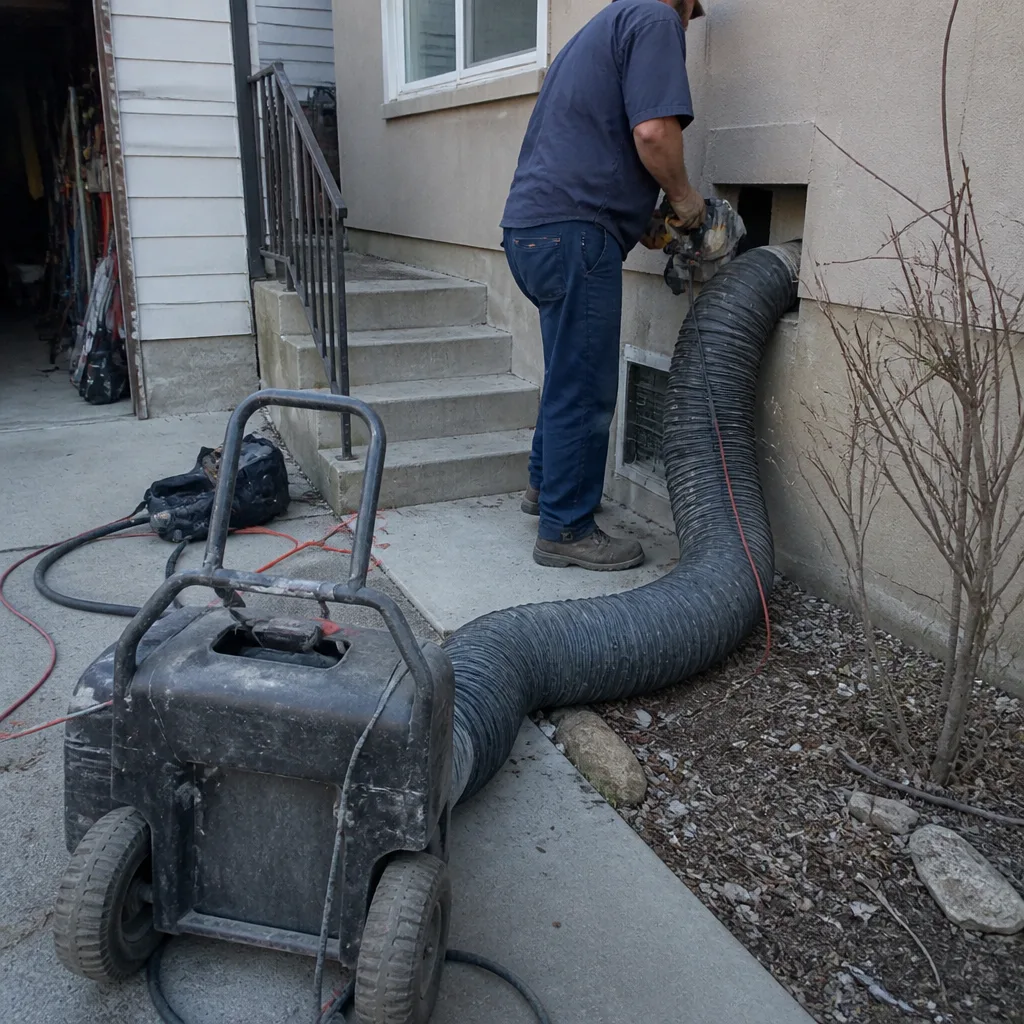 Before
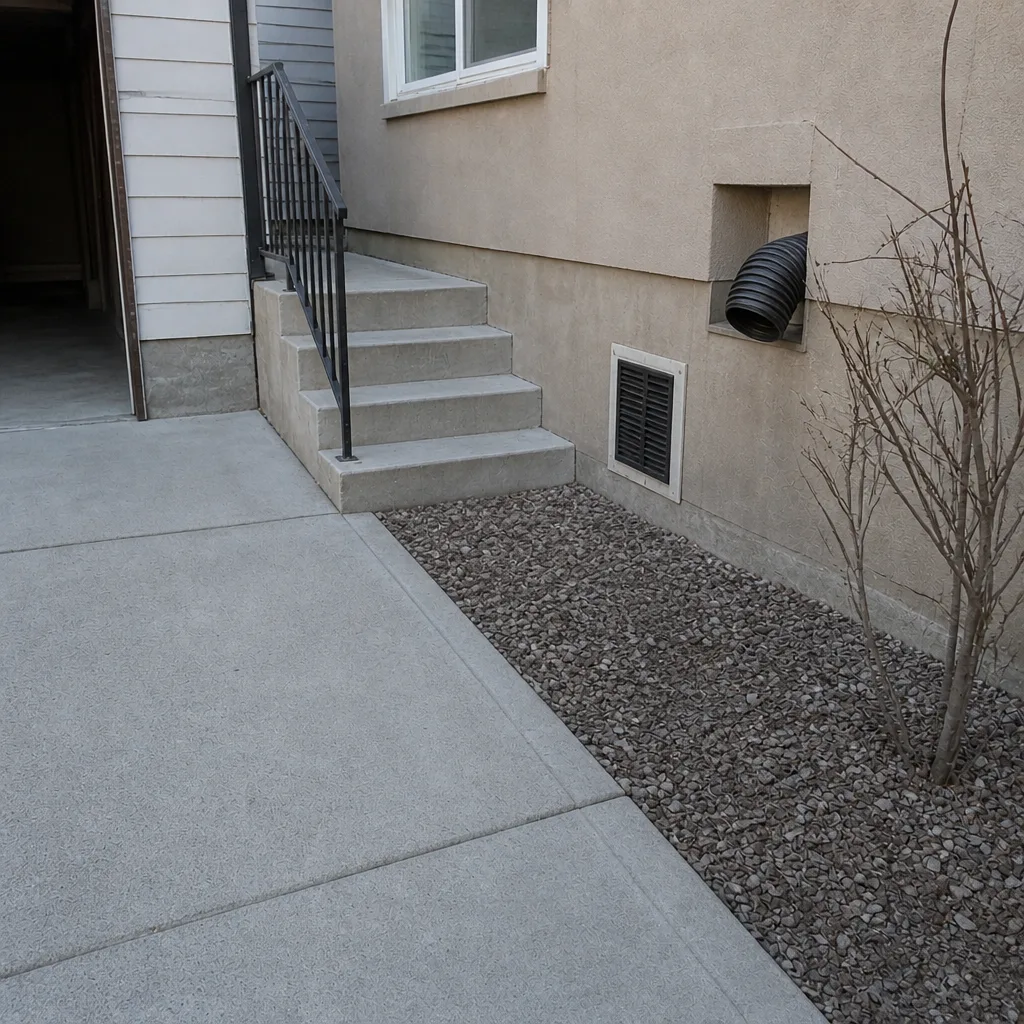 After
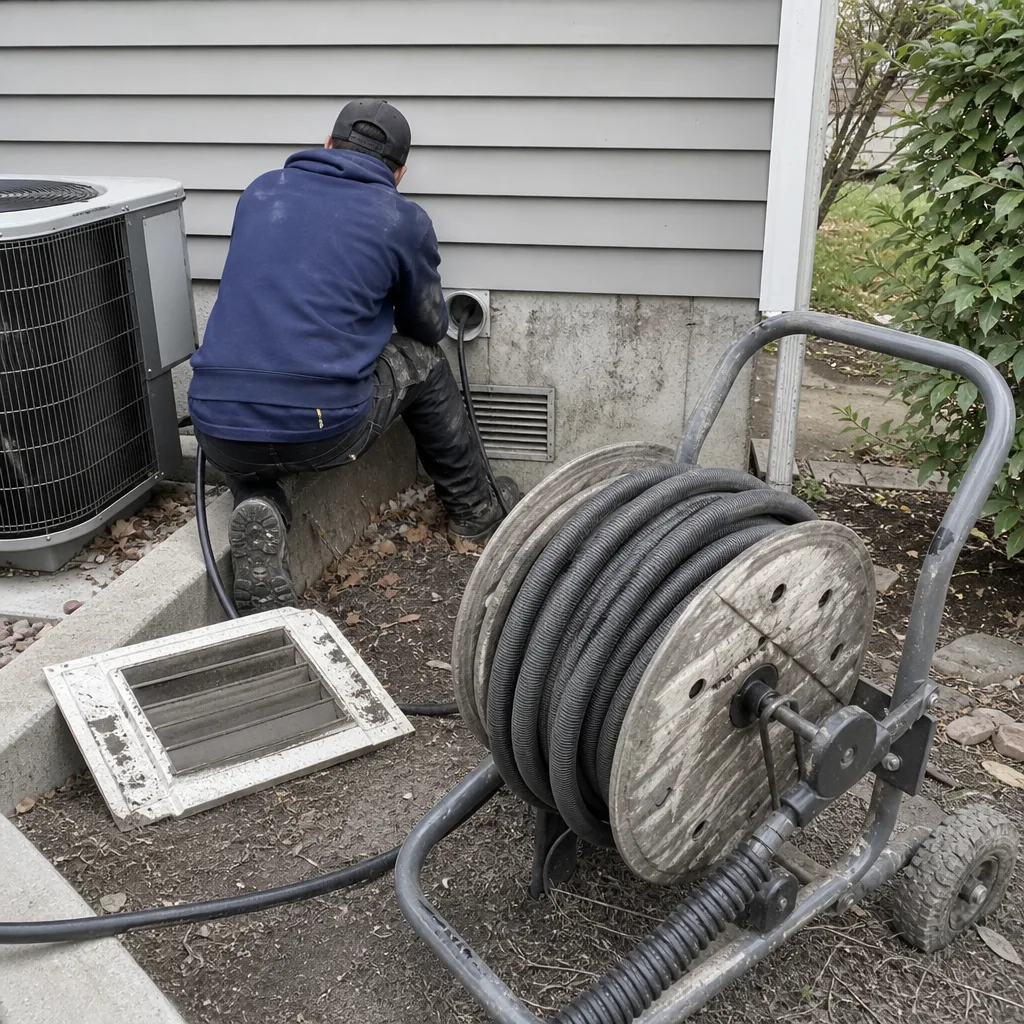 Before
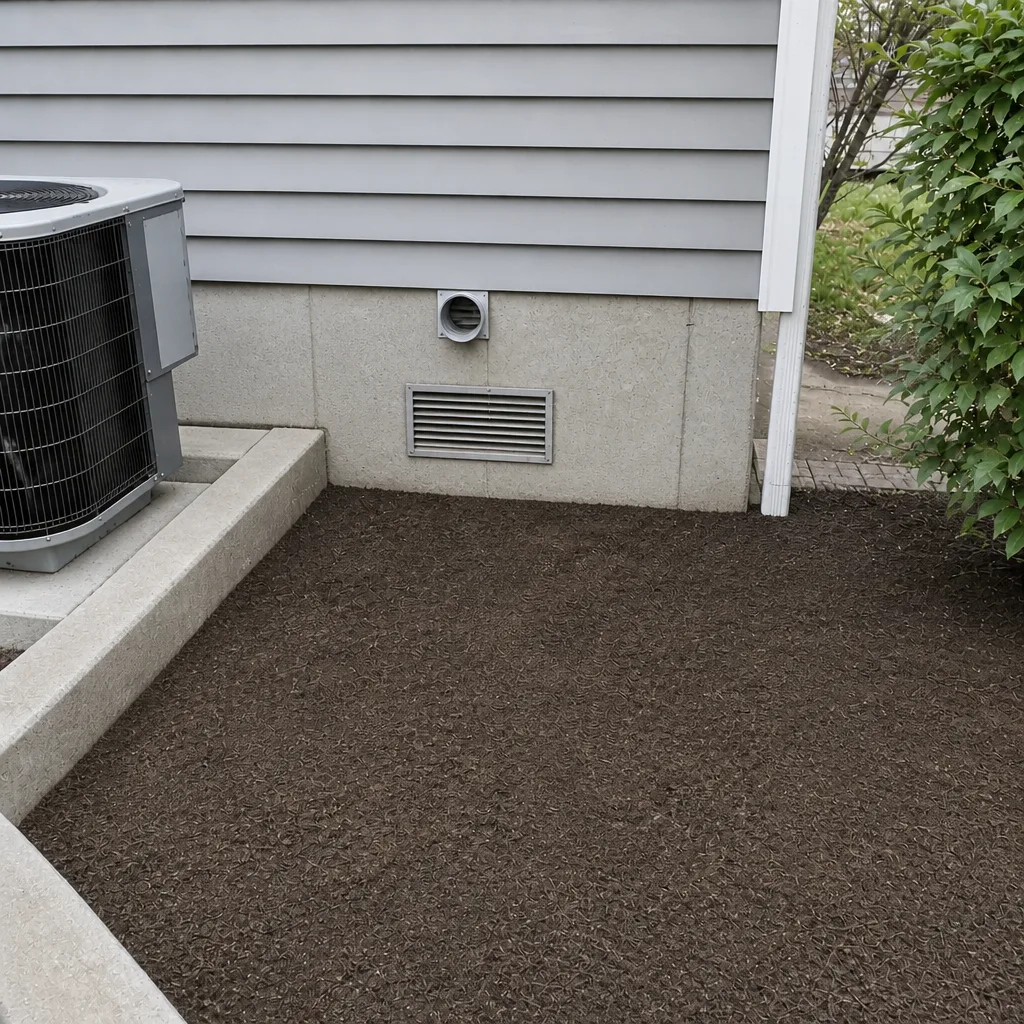 After
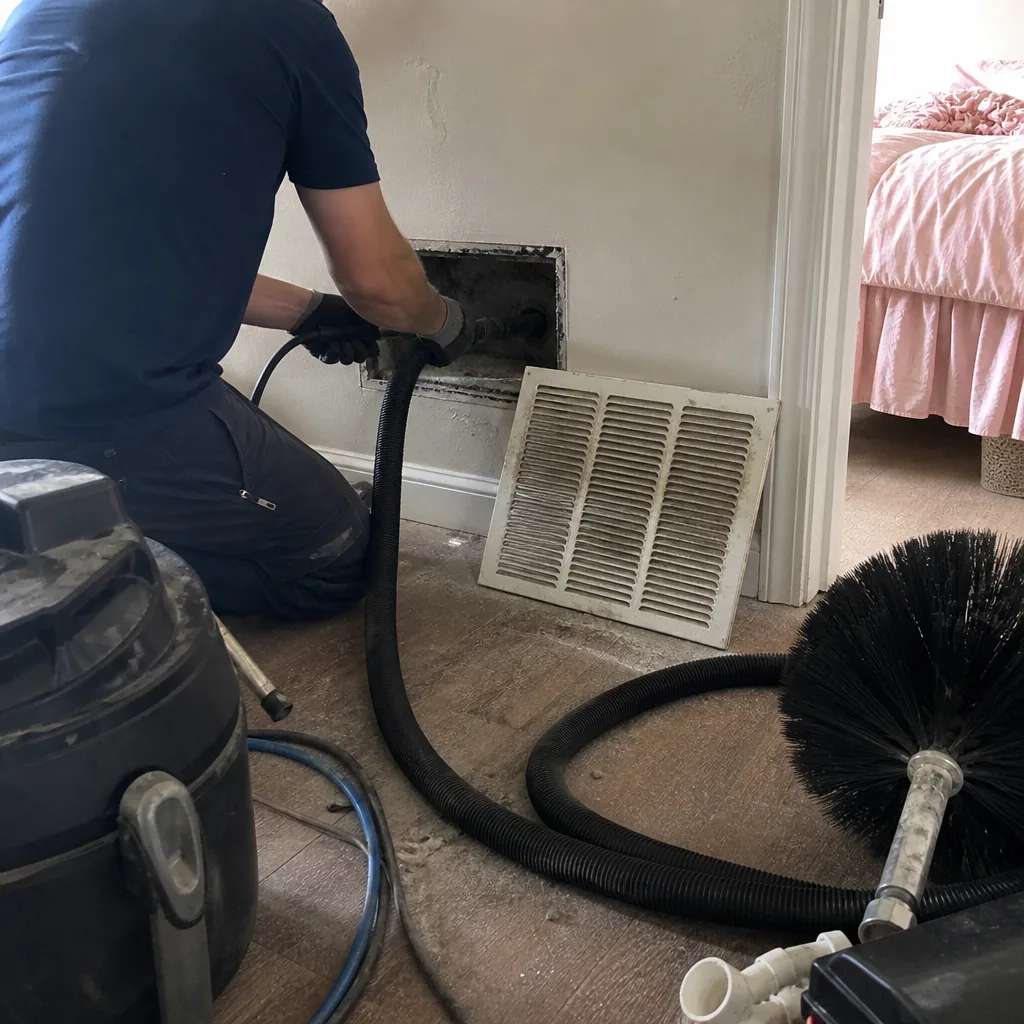 Before
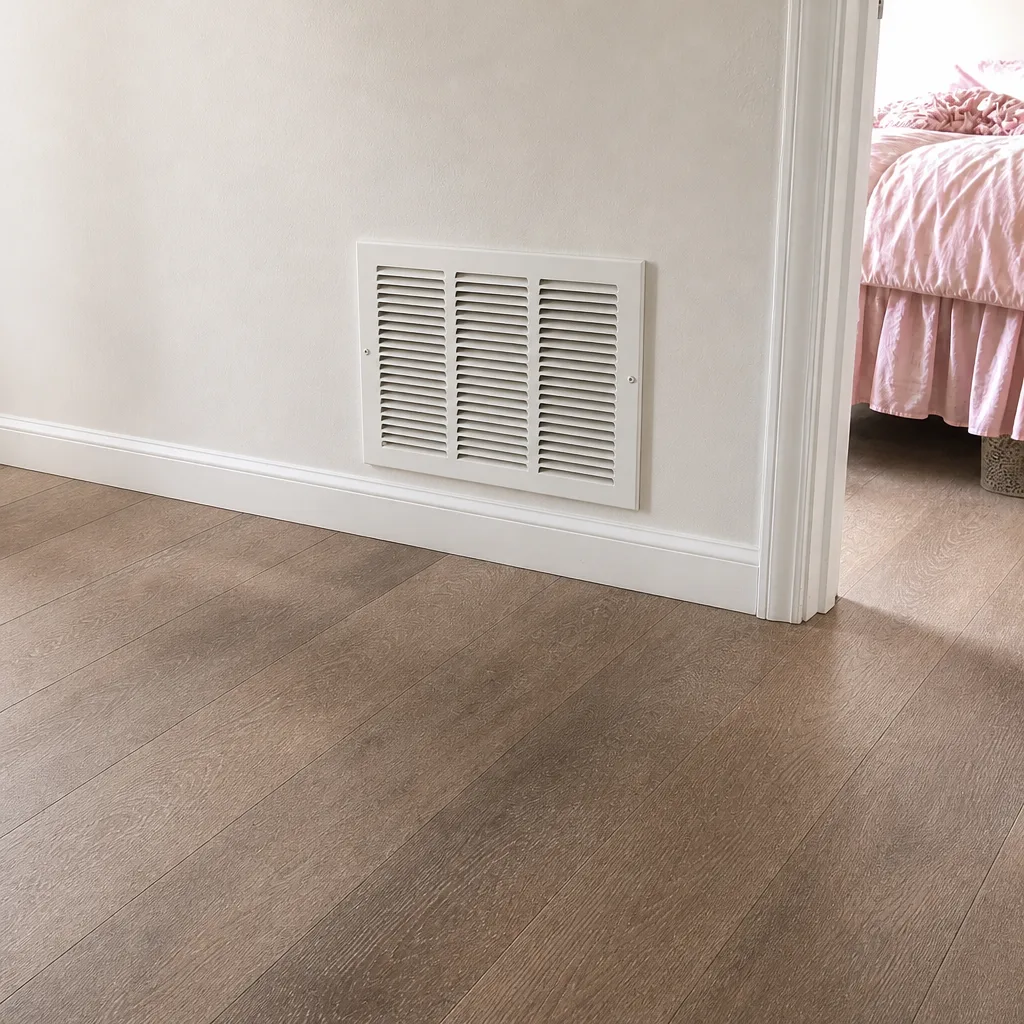 After
When to Call a Professional
Call a professional when you’ve got a symptom that points to a restriction you can’t see – one hot or cold room, persistent dust reappearing within a day, a musty smell at startup, or a whistling register that doesn’t fix when you check the grille. Call sooner if you’ve got a post-renovation dust problem, if the dryer vent shows any of the warning signs above, or if a previous HVAC tech has suggested equipment replacement without testing static pressure. Those are exactly the cases where a duct-side diagnosis inside the home, on-site, saves the most money. Call Provo Air Duct Cleaning at (855) 658-4391 for a free estimate if any of this sounds familiar.
Frequently Asked Questions
Air duct cleaning in Provo typically runs on whole-system pricing rather than a per-vent charge, and the exact range depends on the size of the home, the number of systems, and whether repair, sealing, or sanitizing is part of the job. We set one flat price per system from a written estimate before any work begins. Call (855) 658-4391 for an exact quote – estimates are free.
Cheap quotes often reflect a per-vent pricing model or a coupon teaser that grows once the technician is on site. What you’re not seeing in those numbers is whether the job includes real containment-grade vacuum equipment, camera inspection, and repair of any leaks found. Our approach is one flat price per system agreed before work starts, with before-and-after photos of your own ducts so you can see exactly what was done. Call (855) 658-4391 to get a quote you can compare line for line.
Ask for before-and-after photos of the duct interiors. A professional job should include photographic evidence of what was retrieved and how the runs look afterward. We provide that on every job, along with the written estimate that established the price. Call (855) 658-4391 to book an assessment.
Most Provo homes do fine with cleaning every few years, but the interval depends on what’s happening inside the home. Homes with recent renovation, pets, allergy or asthma concerns, or visible dust recurrence need it more often. If you’ve never had it done and the house is from the 1980-2005 era, an inspection is worth having. Call (855) 658-4391 to talk through your situation.
Yes, and that’s the most common misdiagnosis we see in Provo. A room that stays hot or cold, a noisy return, or weak airflow at far registers can all be caused by duct-side restrictions – crushed runs, disconnected trunks, or undersized returns – that look exactly like HVAC equipment failure from the thermostat. Static pressure testing separates the two. Call (855) 658-4391 to get a duct-side diagnosis first.
Cleaning removes accumulated debris from inside the runs, and sanitizing treats the surfaces after cleaning and sealing are complete. A complete job follows the sequence: cleaned, sealed, sanitized. We use Abatement Technologies filtration equipment and work with products from Guardsman and Honeywell when whole-home filtration upgrades are part of the solution. Call (855) 658-4391 to discuss the right scope for your home.
The Bottom Line
Most of what feels like an HVAC failure in a Provo home is a duct-side problem you can actually diagnose with a tissue, an incense stick, and a careful look at your registers. Crushed flex runs, disconnected trunks, delaminated duct board, and undersized returns are the usual suspects in homes from the 1980-2005 era, and static pressure testing is what separates a real diagnosis from a guess. Fix the duct before you replace the unit. Handle the tissue test and the accessible joint reseals yourself, and bring in professional equipment for everything you can’t reach. Call (855) 658-4391. We answer 24/7. Fast dispatch from 7am to 7pm, Sunday through Friday. The estimate is free, and the price per system is set in writing before work begins.
Written by the team at Provo Air Duct Cleaning.