
Last updated November 24, 2026
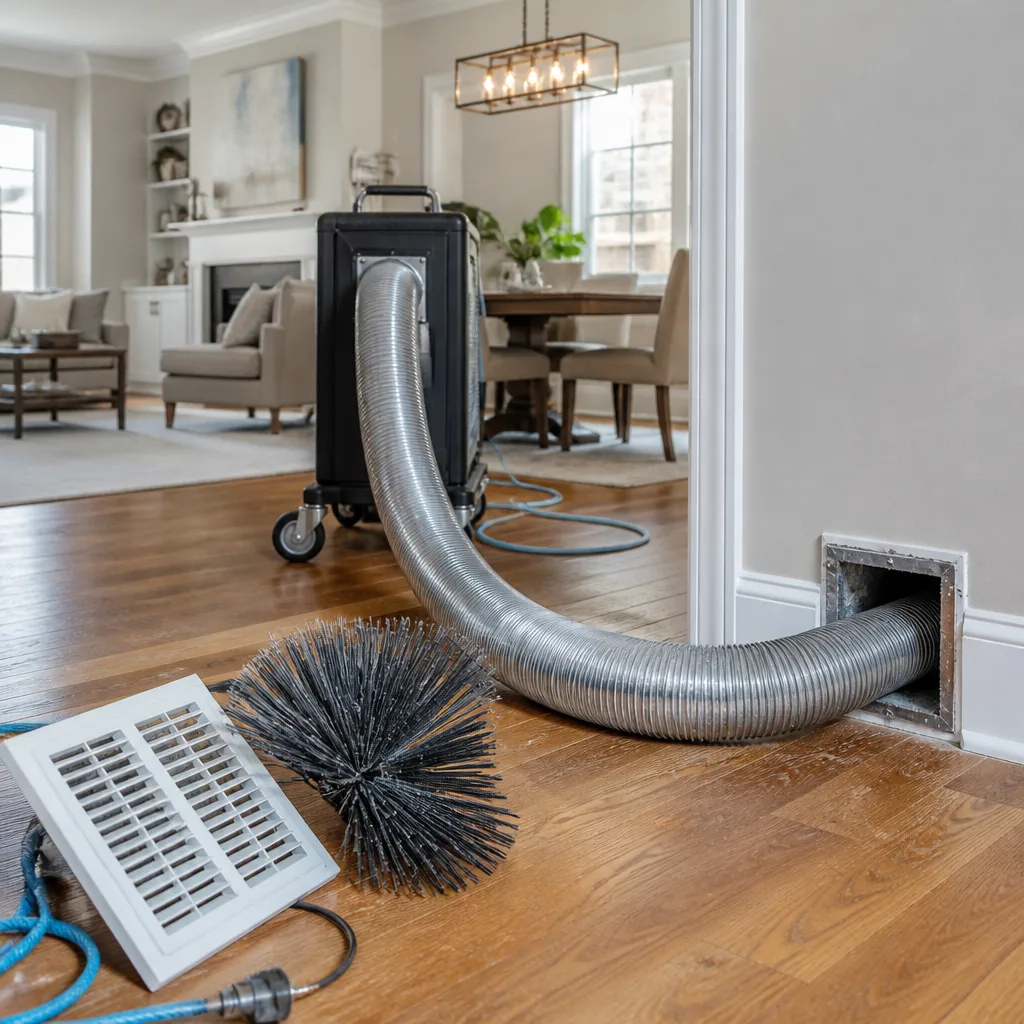 Whole-home duct cleaning
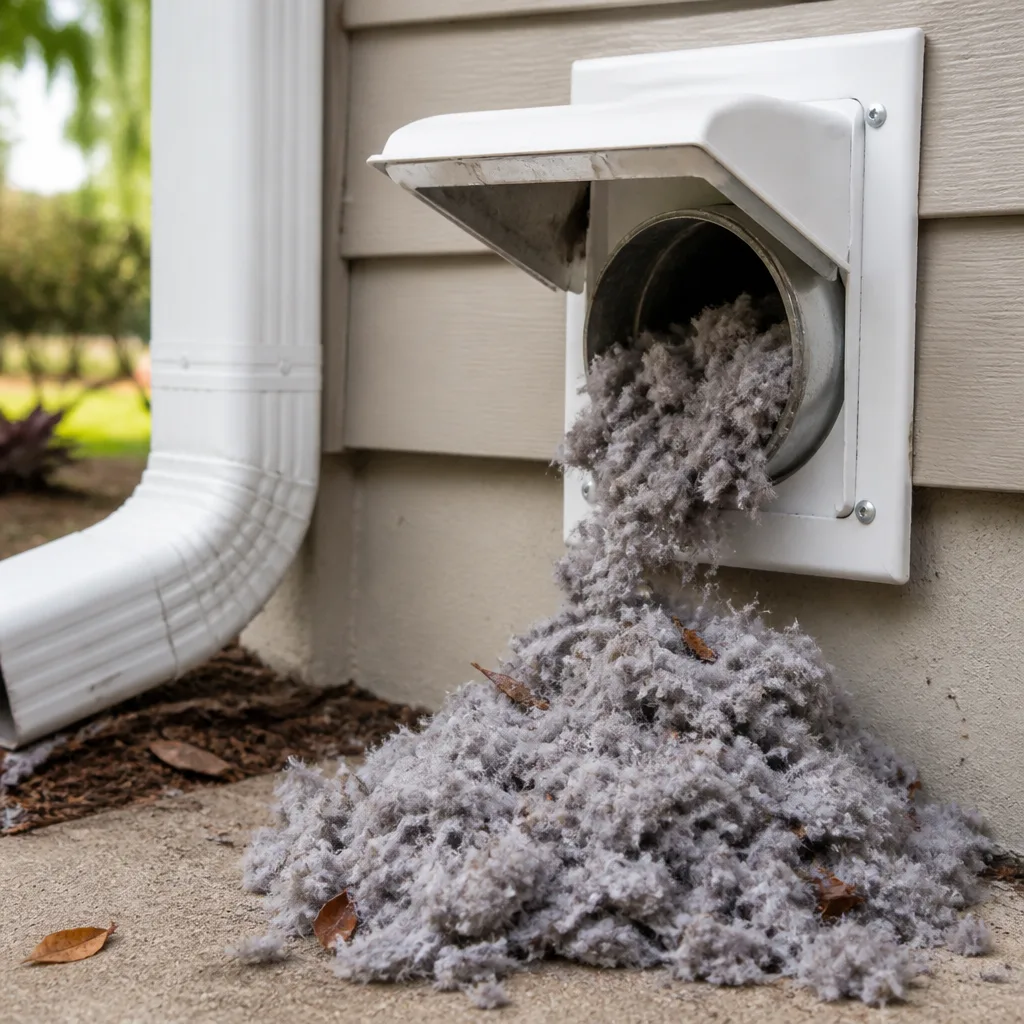 Dryer vent cleaning
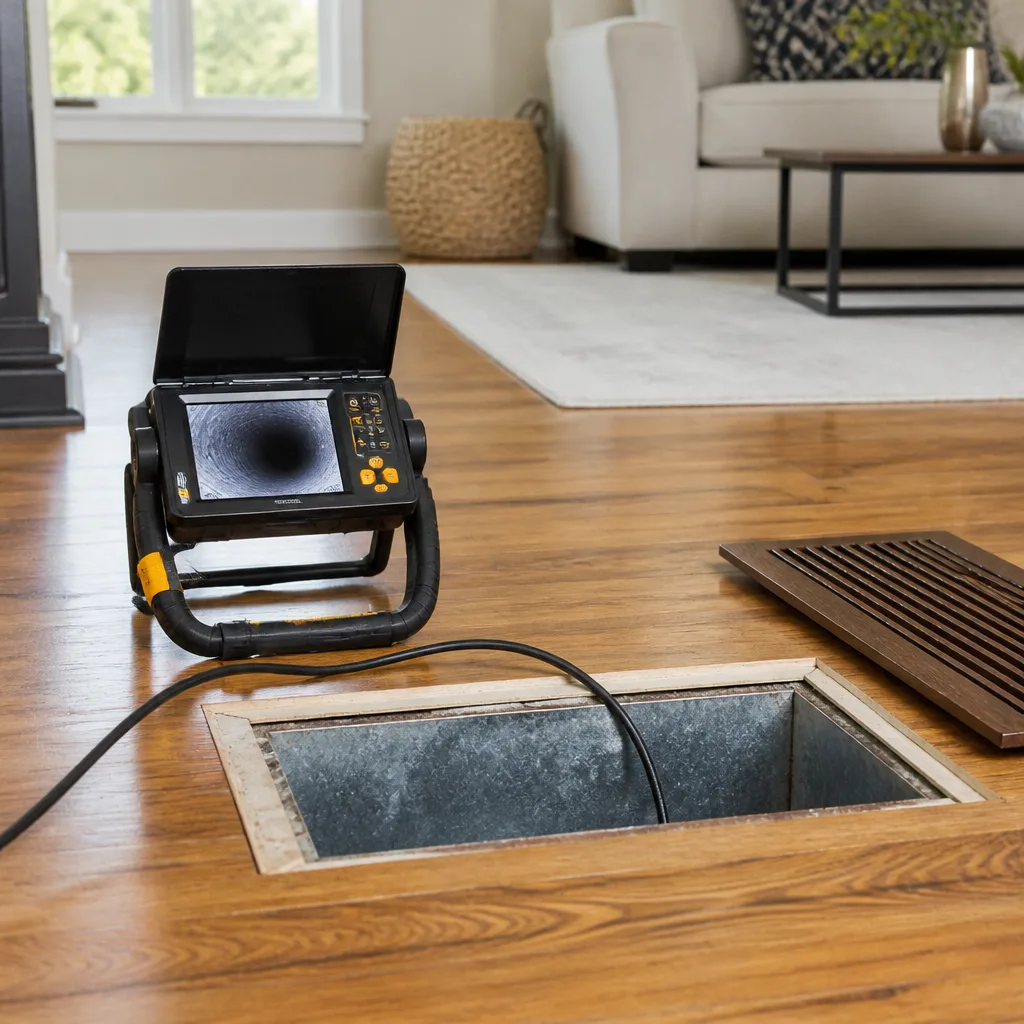 Camera inspection
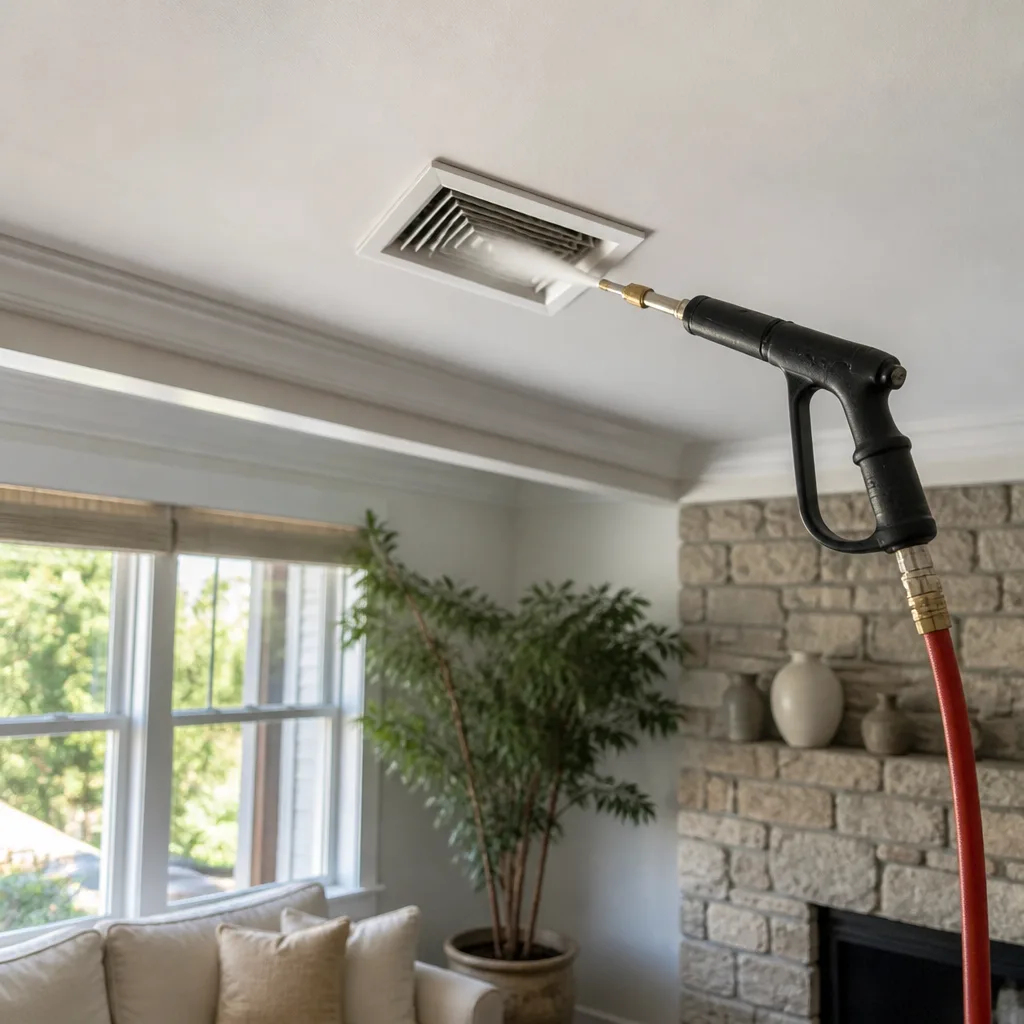 Sanitizing & deodorizing
Whole-system duct and dryer vent check with before-and-after photos - you see exactly what came out of your vents
That "$99 whole-house special" is a bait ad - the real number appears once they are in your hallway, or the "clean" is a shop-vac at the register. We photograph the inside of your ducts before and after instead.
Seasonal Air Duct Cleaning Care for Provo: Year-Round Homeowner’s Guide
Most Provo homeowners book duct cleaning in January. The house is sealed up, the furnace runs all day, and the dust on the return grille finally gets annoying enough to act on. It feels like the obvious time. It’s actually close to the worst timing you can pick. January cleaning happens after months of accumulation but before inversion season has finished pushing fine particulate through your system, so you pay for a clean and then immediately re-load the ducts during the dirtiest weeks of the year. This guide walks through what actually enters a Provo duct system in each season, when the highest-return cleaning windows fall, and how to use local air quality data to decide between ventilating and sealing. Provo sits in a bowl, and that geography changes the answer.
Quick Answer
For most Provo homes, the highest-value times to clean ducts are late April (after cottonwood season and before summer wildfire smoke) and early October (after fall construction dust and before the heating season seals the house). A single annual clean timed to one of these windows catches most contaminants, but homes near active development or heavy spring tree cover often need a second, out-of-cycle clean after a major smoke event.
Styles & brands we work with
- Whole-home duct cleaning
- Dryer vent cleaning
- Camera inspection
- Sanitizing & deodorizing
Table of Contents
- Why Provo’s Geography Loads Ducts Differently
- The Season-by-Season Contaminant Profile
- Optimal Cleaning Windows: Why Late April and Early October Win
- Using DAQ Utah Air Quality Data to Decide: Ventilate or Seal?
- Pre-Season Checklists: What Falls Between Professional Cleans
- Wildfire Smoke Events and Out-of-Cycle Cleaning
- Why Cleaning Method Has to Match the Contaminant
- Common Mistakes to Avoid
Why Provo’s Geography Loads Ducts Differently
Provo sits in Utah Valley between the Wasatch Range and Utah Lake, and that bowl shape does two things to your duct system. It traps air during winter inversions, and it funnels windborne particulate from the surrounding mountains and lake plain through the valley in spring. A duct system in a flat, open city with steady wind clears itself passively more than most homeowners realize. A system in Provo doesn’t get that help.
The second factor is housing age and construction type. Much of Provo’s housing stock was built in eras with different duct-sealing standards, and unsealed return plenums and loose joint tape let valley dust pull into the system from crawlspaces and attics, not just from the living space. That means the dirt you’re pulling out during the cleaning cycle isn’t only what settled through the registers. It’s also what infiltrated from outside the conditioned envelope.
- Inversion trapping: cold air pooling in the valley keeps fine particulate at ground level through Provo’s winter months, and your HVAC pulls that air in through the return.
- Spring windborne load: cottonwood seed and pollen from the valley floor move through the neighborhood on spring wind and enter through open windows and fresh-air intakes.
- Development dust: active construction on Provo’s fringes and in nearby valley communities pushes gypsum, silica, and wood dust into the air for months at a time.
- Return-side infiltration: unsealed returns in older Provo homes pull from crawlspaces and attics, adding soil and insulation fibers to the load.
Our technicians have up to 9 years of experience working in this valley, and the pattern is consistent: two Provo homes of the same square footage can have completely different duct loads based on where they sit relative to construction, tree cover, and inversion depth. That’s why a one-size-fits-all annual cleaning schedule doesn’t hold up here. If you don’t yet know your baseline duct condition, an initial air duct cleaning with an inspection is where most Provo homeowners should start.
The Season-by-Season Contaminant Profile
Each of Provo’s four seasons pushes a different category of contaminant into your ducts. Understanding which one is active tells you what the cleaning needs to target and whether a standard mechanical clean is enough.
Spring: Cottonwood, Pollen, and Windborne Debris
Cottonwood seed season runs through late spring in Provo, and the fluff isn’t the problem itself. It carries pollen and fine dust on its surface, and it plugs up return grilles and fresh-air intakes where it collects. Window screens catch some, but open-window days push the rest into the return. Spring cleaning needs mechanical agitation (rotary brush) to break up the pollen film that coats duct walls, not just vacuum extraction on its own.
Summer: Wildfire Smoke and Ozone Particulate
Summer smoke events are the single biggest wildcard in Provo’s seasonal picture. When smoke settles into Utah Valley, the fine particulate (PM2.5) that enters your return doesn’t just pass through the filter. It coats the blower wheel, the evaporator coil face, and the interior duct surfaces. Standard vacuum extraction removes loose debris but leaves the sticky residue layer that smoke leaves behind. Summer cleaning needs HEPA containment-grade extraction and, where the residue is heavy, sanitizing.
Fall: Construction Dust and First Heating Cycle
Fall is when valley development dust peaks, and it’s also when the first furnace run pushes months of settled dust off duct surfaces and into the air. If you haven’t cleaned since spring, that first heat cycle delivers a visible dust plume through the registers. Fall cleaning needs to happen before the first sustained heating run, not after.
Winter: Recirculation and Combustion Byproducts
Winter is the season when Provo homes stop exchanging air with the outside. Windows stay shut, the furnace runs continuously, and whatever is already in the ducts gets recirculated many times over. If a gas appliance vents into the home or an attached garage shares return air, the recirculation risk climbs. Winter is the season to seal and sanitize, not the season to clean blind.
Optimal Cleaning Windows: Why Late April and Early October Win
The two highest-return cleaning windows for Provo homes are late April and early October. Both land your clean immediately after a high-load season ends and immediately before the next one begins, so the system stays cleaner for the longest stretch between cleans.
- Late April: cottonwood season has peaked and dropped, spring windborne pollen has settled, and summer smoke season hasn’t started. A clean here carries the system through June without a reload.
- Early October: fall construction dust peaks but the sustained heating season hasn’t started. You clean before the first heavy furnace run pushes settled dust through the registers.
- Skip January: cleaning mid-winter means the clean happens after months of sealed-house accumulation but before inversion season ends. You get the shortest clean-air window of the year.
- Second clean if warranted: homes near active construction or major tree cover benefit from an out-of-cycle clean after a heavy smoke summer, even if the spring clean was recent.
For homes that also need dryer vent work, fall is the better window for that piece – a lint-clogged dryer vent is a real fire risk, and cleaning before the winter laundry load builds up is a sensible sequencing. Scheduling dryer vent cleaning alongside the early-October duct clean keeps both jobs on one visit and one set of truck rolls.
Using DAQ Utah Air Quality Data to Decide: Ventilate or Seal?
Utah’s Division of Air Quality (DAQ Utah) publishes real-time monitoring data for the valley, including PM2.5 and ozone readings. That data isn’t just public information – it’s a decision tool. When the daily PM2.5 reading is high, ventilating (ERV/HRV on or windows open) pulls outdoor particulate straight into the system. When the reading is low and the house is stuffy, ventilating is the right call. Knowing the difference is the single most useful daily habit for a Provo homeowner.
When to Ventilate (ERV/HRV On, Windows Open)
- DAQ Utah readings are in the “good” category, typically early morning or after a valley wind event clears the bowl.
- Indoor humidity is high and the house feels stale but no smoke or inversion is present.
- You’ve just finished cooking, cleaning, or any activity that pushes indoor pollutants into the air.
When to Seal Up and Switch to Recirculation
- DAQ Utah shows unhealthy readings, a smoke advisory, or an active inversion.
- Cottonwood seed is visibly airborne and coating vehicles and screens.
- The house is under active construction nearby, or your neighborhood is downwind of a dust source.
- You smell smoke inside, or a neighbor is burning wood.
Sealing the system during a smoke event is only half the answer. The other half is a filter upgrade – a higher MERV rating in your return filter, plus a whole-home filtration option if you don’t already have one. We work with brands like Honeywell and Aprilaire, both of which build whole-home filtration and fresh-air ventilation systems that give you a better answer than opening a window on a bad-air day.
Pre-Season Checklists: What Falls Between Professional Cleans
A professional clean resets the system. The work between cleans determines how long that reset lasts. These two checklists are the seasonal maintenance tasks we walk Provo homeowners through, and doing them consistently extends the window between professional visits.
Pre-Heating-Season Checklist (October, Before First Furnace Run)
- Replace the return filter: use a filter rated for your system, and note the date so you can track the interval honestly.
- Inspect the blower wheel: a dust-caked blower moves less air and pulls more amps; look for visible buildup before the season starts.
- Rinse the evaporator coil face: a coil that carries summer dust into heating season has to work harder; a rinse (done by a technician if the coil is hard to reach) is a low-cost insurance step.
- Check duct joint tape and mastic: tape that’s peeling at plenums and branch takeoffs is a corridor for attic or crawlspace air to enter the system.
- Confirm the return grille seals: a loose grille lets dusty house air bypass the filter and enter the return plenum unfiltered.
Pre-Cooling-Season Checklist (April, Before First AC Run)
- Replace the return filter again: spring pollen load builds fast in Provo; a filter that was clean in November is loaded by April.
- Inspect the condensate drain and pan: a plugged drain causes water problems right when the AC starts working hard.
- Rinse the condensate pan: stale water and biological growth in the pan gets pulled into the airstream through the coil.
- Check the fresh-air intake screen: cottonwood seed plugs intake screens fast, and a plugged intake starves the house of fresh air during the season it’s most needed.
- Confirm the ERV/HRV filter condition: the ERV filter catches outdoor pollen; replace or clean it before the season starts.
Our full HVAC cleaning service covers the coil, blower, drain pan, and cabinet interior as part of the same visit, which is why we usually recommend the equipment-side checklist and the duct clean happen together in April and October.
Wildfire Smoke Events and Out-of-Cycle Cleaning
Summer 2023 was a heavy Utah smoke year, and events like it change duct load estimates materially. A typical Provo summer adds a moderate PM2.5 load that a fall clean handles. A heavy smoke summer adds a residue layer that needs a separate, out-of-cycle clean on top of the annual schedule, because the sticky coating left on coil faces and duct interiors doesn’t lift with a standard vacuum pass.
- When to add a post-smoke clean: after a sustained smoke event with visible haze in the valley for a week or more, especially if DAQ Utah readings stayed in the unhealthy range.
- What the clean has to include: HEPA-grade extraction (not just shop-vac suction), coil face rinse, and, where smoke residue is present, a sanitizing pass on the duct interior.
- What NOT to do during a smoke event: don’t run the ERV/HRV, don’t leave windows open, and don’t rely on a standard MERV-8 filter to catch smoke particulate.
- Why Abatement Technologies equipment matters here: containment-grade filtration keeps disturbed particulate in the collection system rather than re-releasing it into the living space during the clean – the same class of equipment used in remediation and restoration work.
A smoke-season clean isn’t a substitute for the fall clean, it’s a supplement. The fall clean still happens on schedule, because construction dust and the first heating run load the system independently of what happened in July.
Why Cleaning Method Has to Match the Contaminant
A dust-only duct system responds to a rotary brush and vacuum. A pollen-coated system needs the same brush pass plus a rinse step. A smoke-residue system needs the brush, the rinse, and a sanitizing pass. Matching the method to the load is where most cheap quotes fall apart, and it’s why a single flat method applied to every Provo home produces different results than the method actually called for.
- Rotary brush agitation: our Rotobrush system breaks up compacted dust and pollen film that vacuum alone won’t lift from duct walls.
- HEPA containment extraction: our Nikro equipment captures fine particulate without re-releasing it into the living space during the clean.
- Contaminant-grade filtration: our Abatement Technologies filtration tools catch the finest particulate, including restoration-grade contamination that a shop vac can’t contain.
- Whole-system scope: a complete job covers the supply side, the return side, the coil, the blower, and the cabinet – not just the registers.
- Sealing and sanitizing: after cleaning, sealing gaps and sanitizing the interior closes the corridor that let contaminants back in, and treating biological growth that a clean alone leaves behind.
The sequence is cleaned, sealed, sanitized – and it matters. Sealing before cleaning traps debris behind the seal. Sanitizing before extraction puts biocide on top of a dust layer it can’t reach. Doing things in order is the difference between a job that lasts six months and one that lasts a few weeks. Where a home already has a Guardsman system in place, the sequence adjusts to work with the existing protection layer rather than around it.
Common Mistakes to Avoid
- Booking the annual clean in January. January sweeps the system clean but leaves the deepest inversion weeks ahead. Late April and early October are the windows that carry a system through the year.
- Ventilating on a bad-air day. Running the ERV or opening windows during a smoke advisory or inversion pulls the outdoors into the system. Check DAQ Utah first, then decide.
- Skipping the post-smoke clean in a heavy smoke summer. A 2023-style season leaves residue that standard extraction can’t lift. Skipping the clean means the residue stays on the coil for the next heating cycle.
- Cleaning after the first furnace run instead of before. The first heat cycle is when the accumulated dust plume blows through the house. Clean before that run, not after.
- Accepting a per-vent quote. Per-vent pricing on a Provo home with multiple returns and a long supply trunk line hides the actual scope. One flat price per system, agreed before work starts, is the honest structure.
- Skipping the coil and blower because “it’s not part of the duct.” Coil and blower clean is where a lot of the load actually sits. Cleaning ducts without the equipment is an incomplete job.
- Assuming the dryer vent is fine because the dryer runs. A partially clogged vent still runs. Dryer vents are a fire risk, not just a maintenance item – they’re worth an annual check alongside the duct clean.
See the difference
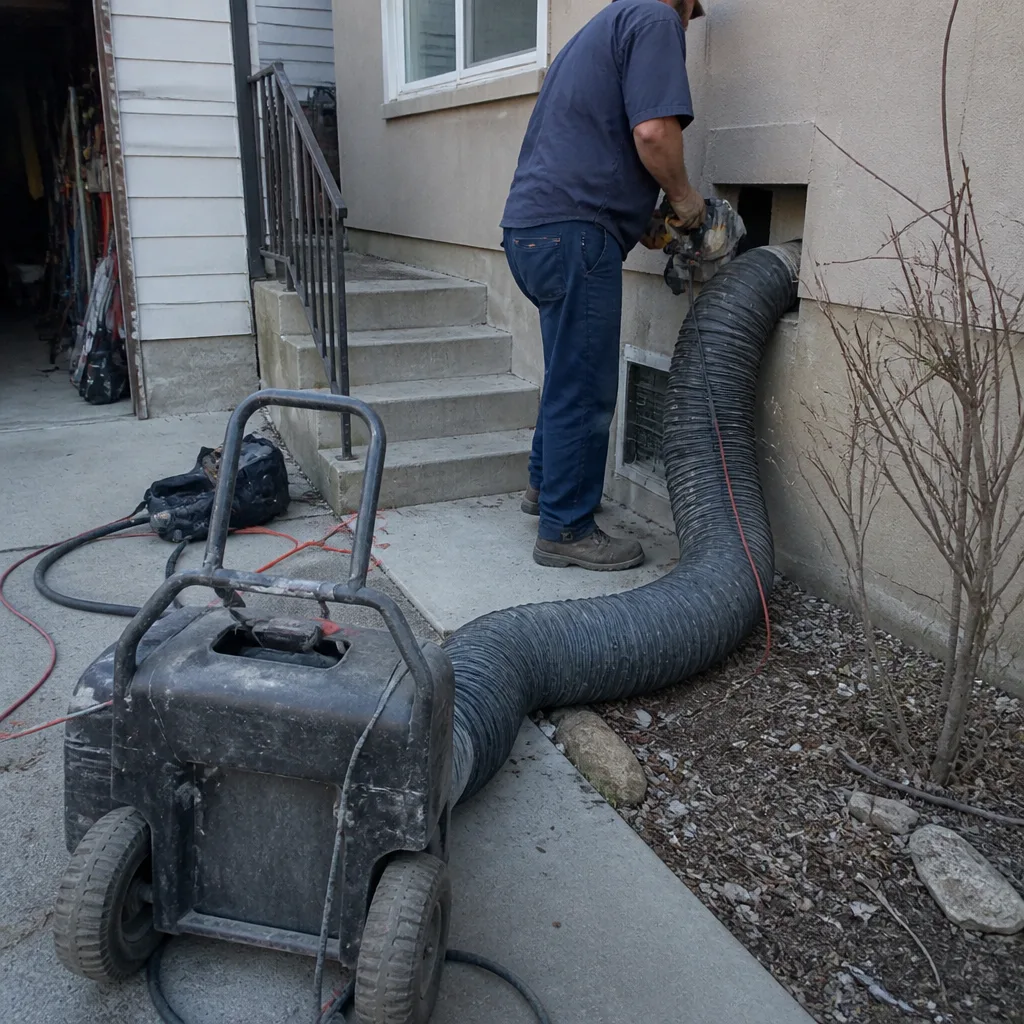 Before
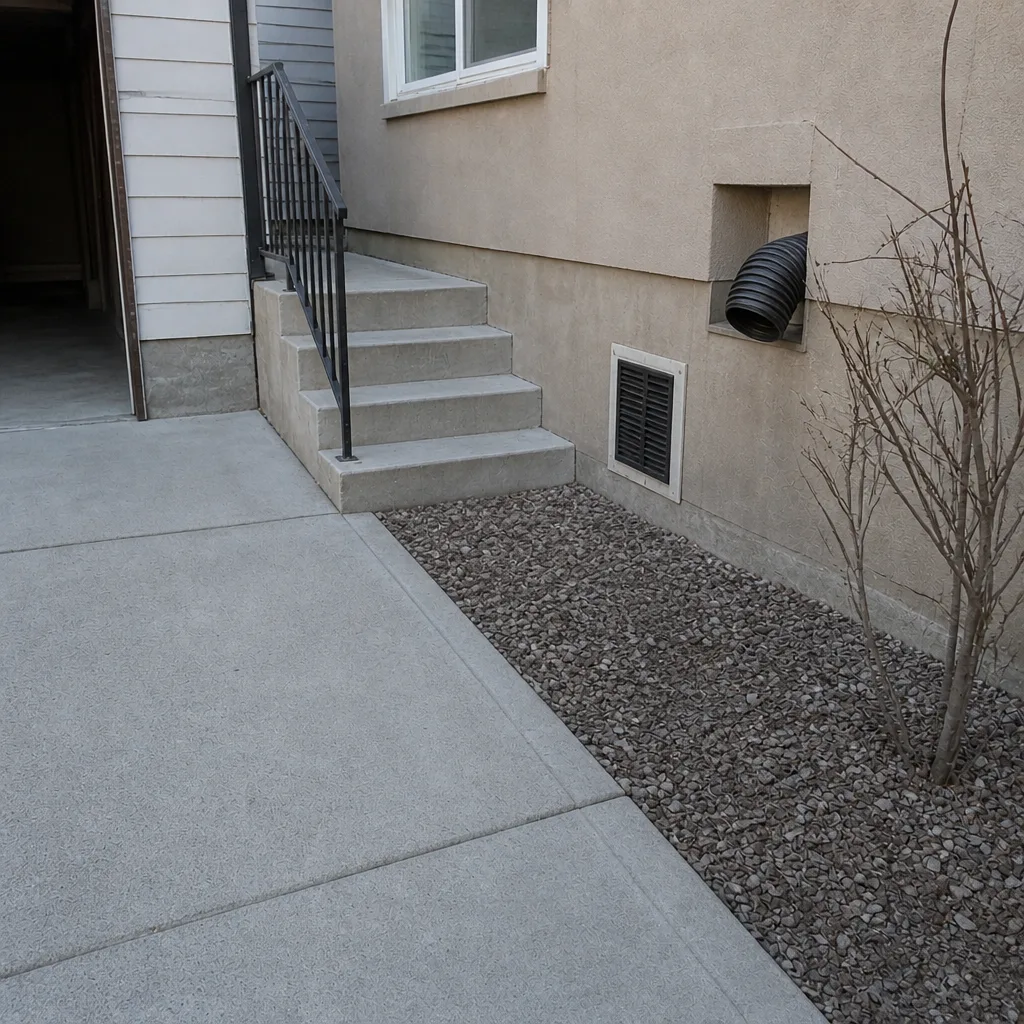 After
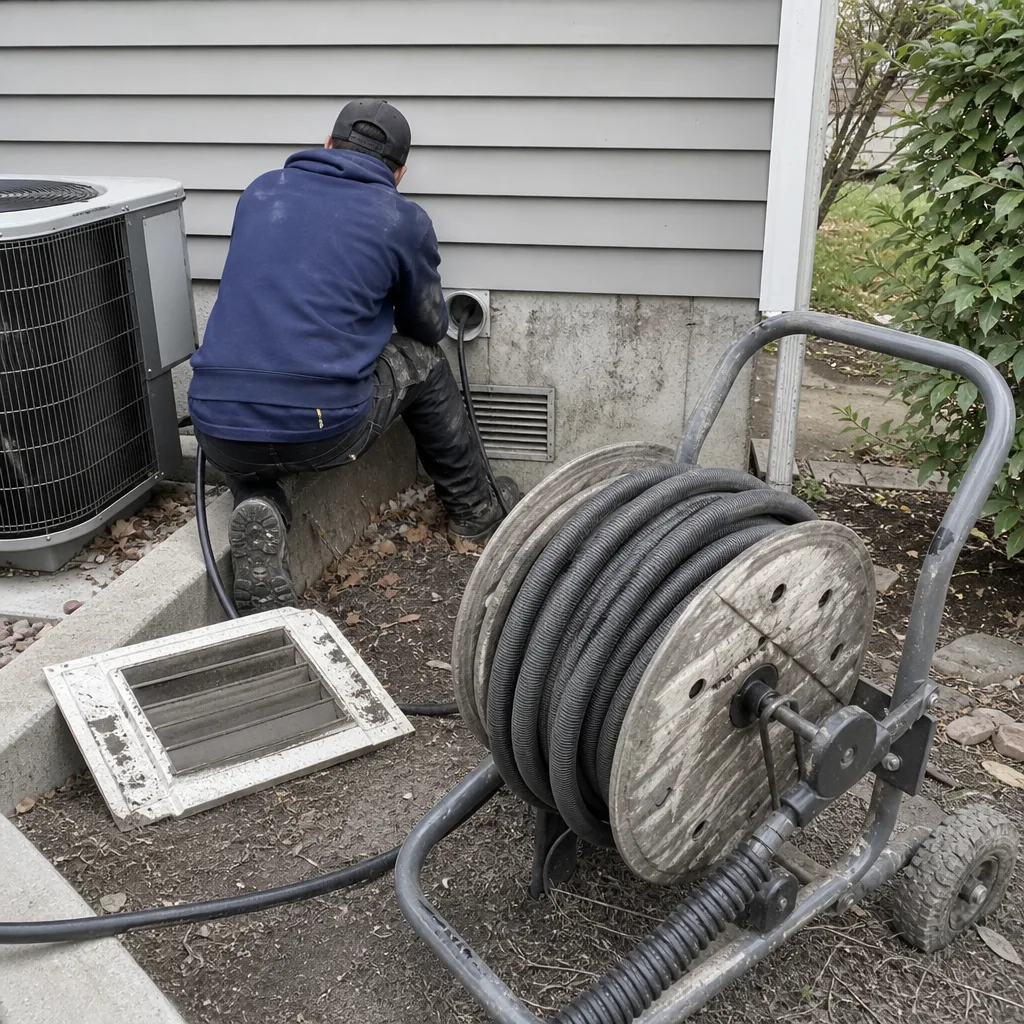 Before
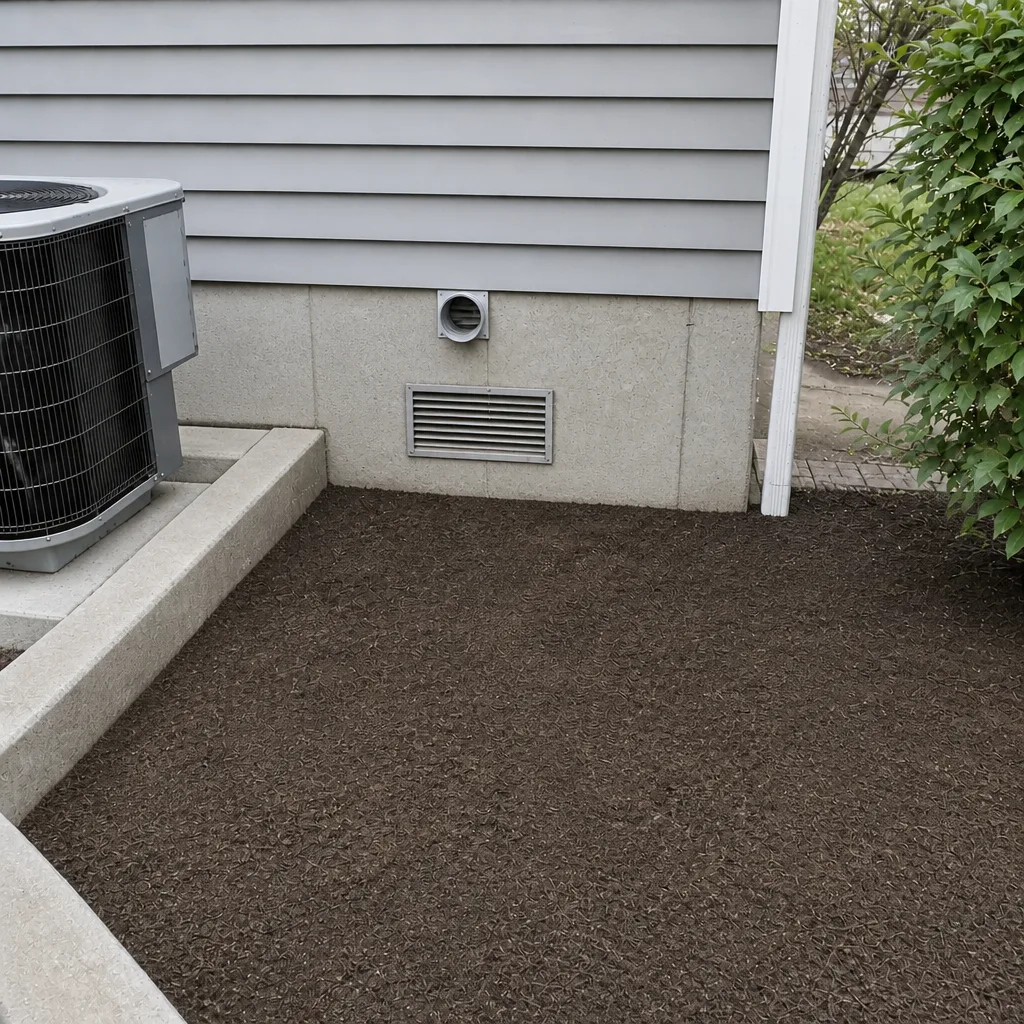 After
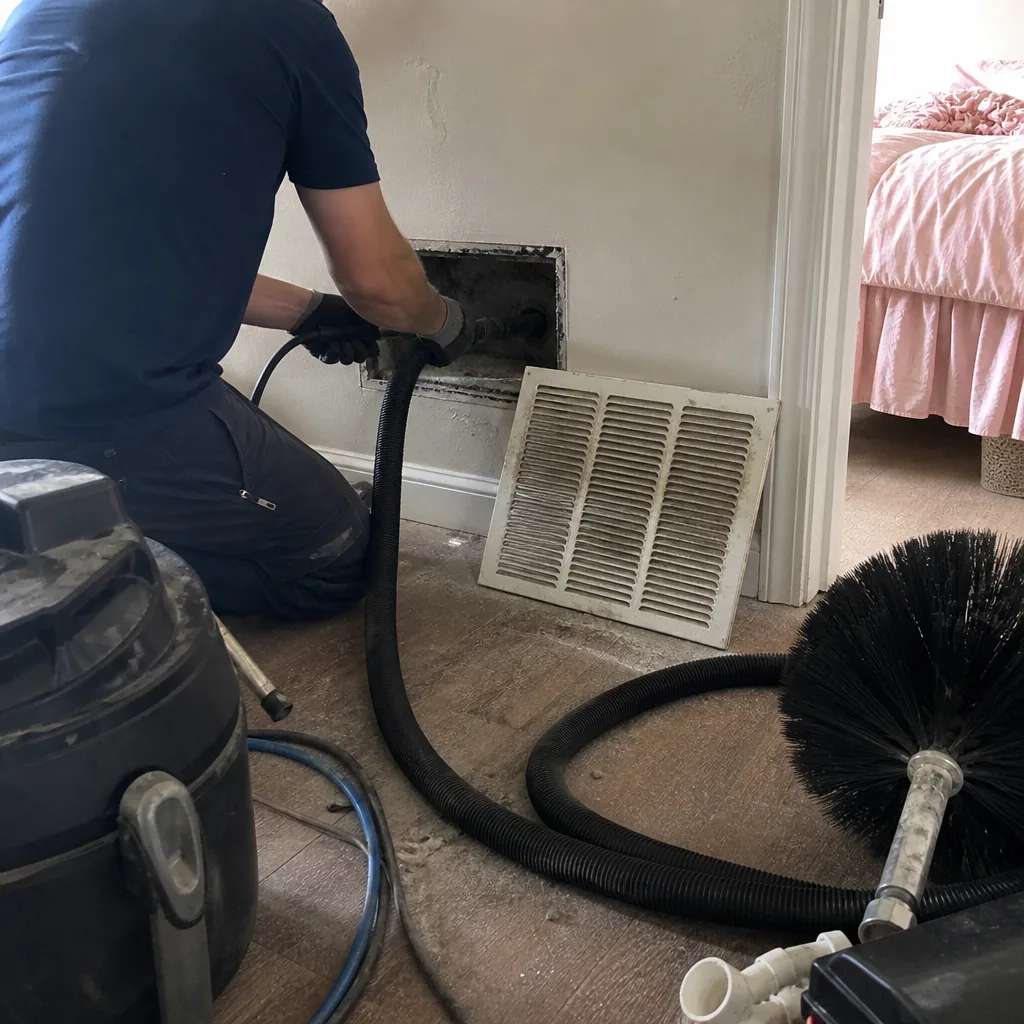 Before
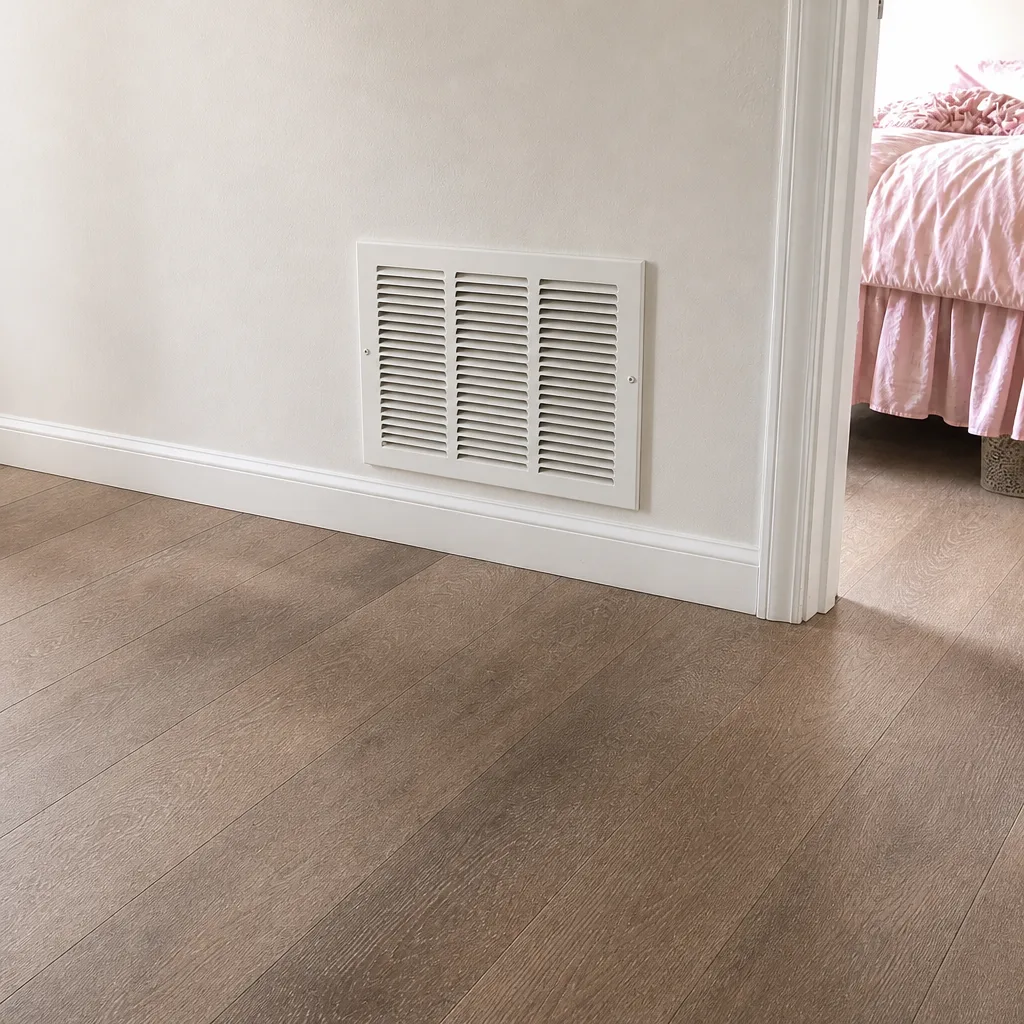 After
When to Call a Professional
DIY inspection is useful and we encourage it – a flashlight at the return grille tells you a lot. But some situations genuinely need a trained technician on site. Call when you see visible buildup on the coil or blower wheel, when you’ve had a sustained smoke event or heavy construction nearby and haven’t cleaned since, when a DIY vacuum job left visible debris, when you smell a persistent musty or smoky odor from the registers even after a filter change, or when the duct system has never been cleaned and shows signs of never having been cleaned. The same applies to a dryer vent that hasn’t been checked in a year or longer. Provo Air Duct Cleaning offers free estimates in Provo – call (855) 658-4391. We answer 24/7. Fast dispatch from 7am to 7pm.
Frequently Asked Questions
Late April and early October are the two highest-return windows for Provo homes because both land after one contaminant season ends and before the next begins. Late April catches the system after cottonwood and pollen but before wildfire smoke; early October catches it after construction dust but before the first heating run. January cleaning, the most common time Provo homeowners book, is actually the worst timing because it leaves inversion season unaddressed. Call (855) 658-4391 for an exact quote – estimates are free.
Cost depends on the size of the system, the number of returns, and whether the clean needs out-of-cycle smoke residue treatment or sanitizing, so it’s set per job by the written estimate, not by the vent count. The right structure is one flat price per system, agreed before work starts, with before-and-after photos of your own ducts. That protects you from the bait-and-switch coupon pattern. Call (855) 658-4391 – estimates are free.
Cheap quotes usually skip the parts of the job you can’t see – the coil face, blower wheel, cabinet interior, and return plenum – and stop at the registers. They also often price per vent, so the final invoice climbs as scope expands. A quote that covers the full system with a flat price before work starts is the honest comparison. Call (855) 658-4391 – estimates are free.
Before-and-after photos of your own ducts, plus a walkthrough of the coil, blower, and plenum, are the standard verification. Any legitimate cleaner will show you what was extracted and let you look inside the system before they close it up. If a company won’t show you the inside of the system, that’s your answer. Call (855) 658-4391 – estimates are free.
Yes, if the smoke stayed in the valley for a sustained period and DAQ Utah readings stayed in the unhealthy range for a week or more. Smoke residue coats the coil face and duct interiors and doesn’t lift with standard vacuum extraction. A post-smoke clean with HEPA containment and a sanitizing pass handles the residue layer the annual clean misses. Call (855) 658-4391 – estimates are free.
For most Provo homes, once a year timed to late April or early October covers the baseline load. Homes near active construction, homes with heavy cottonwood exposure, or homes that went through a heavy smoke summer benefit from a second clean in that season. If your dryer vent shares the maintenance schedule, annual is the right interval there too. Call (855) 658-4391 – estimates are free.
The Bottom Line
Provo’s four seasons each load your duct system with a different contaminant, and cleaning on a single fixed schedule misses most of the load. Time the annual clean to late April or early October, skip January, watch DAQ Utah for the ventilate-or-seal decision, and add an out-of-cycle clean after a heavy smoke summer. Between professional visits, the pre-heating and pre-cooling checklists do the maintenance that makes each clean last. Provo Air Duct Cleaning covers cleaning, repair, sealing, sanitizing, and Provo Air Duct Cleaning dryer vent service under one roof, using professional-grade equipment rather than consumer shortcuts. Call (855) 658-4391 for a free estimate. We answer 24/7. Fast dispatch from 7am to 7pm, Sunday through Friday.
Written by the team at Provo Air Duct Cleaning.