
Last updated November 24, 2026
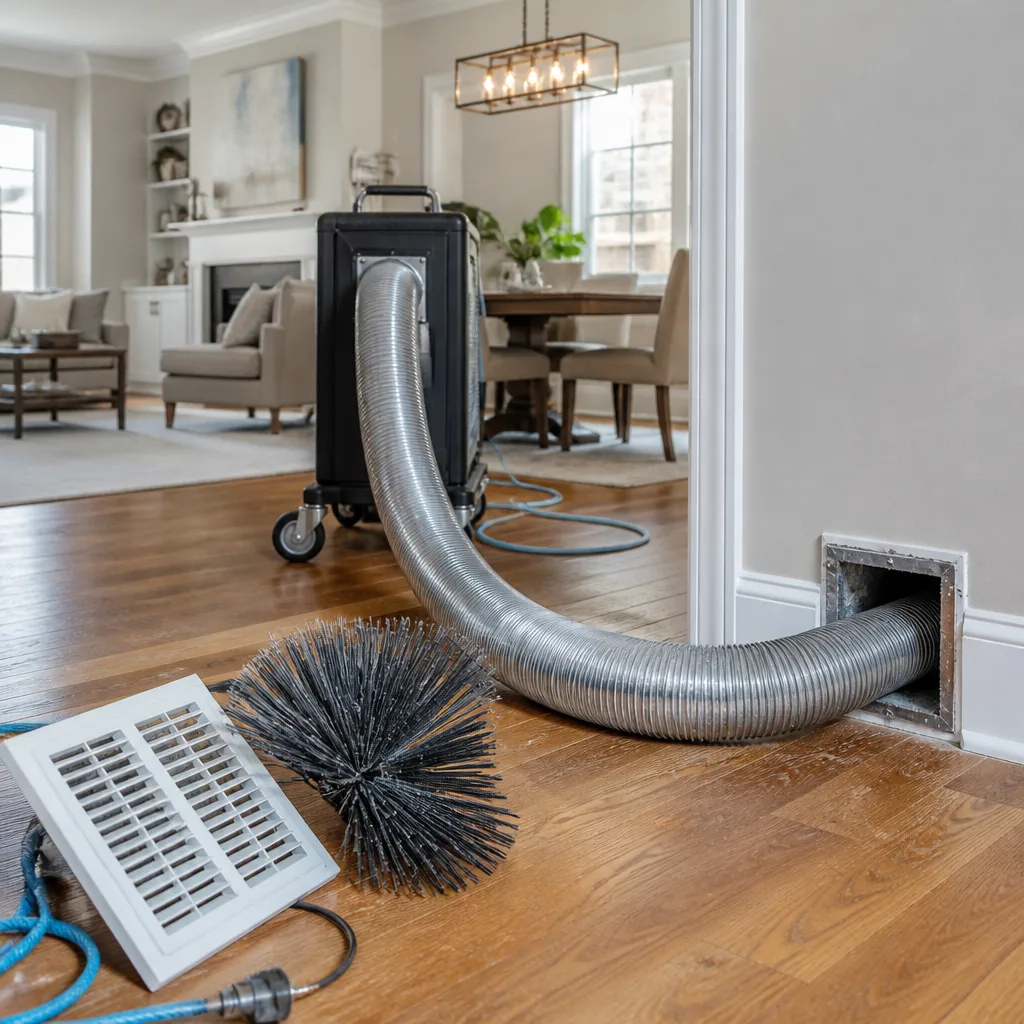 Whole-home duct cleaning
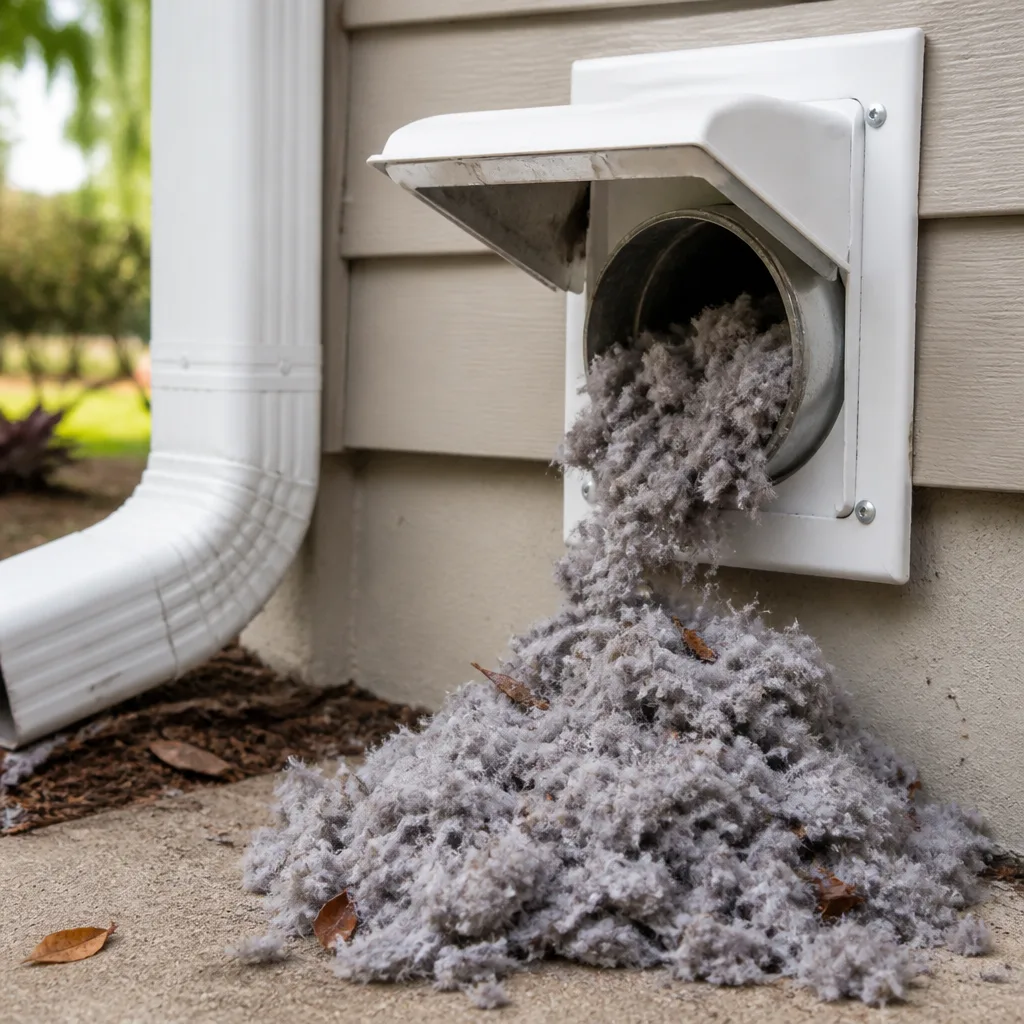 Dryer vent cleaning
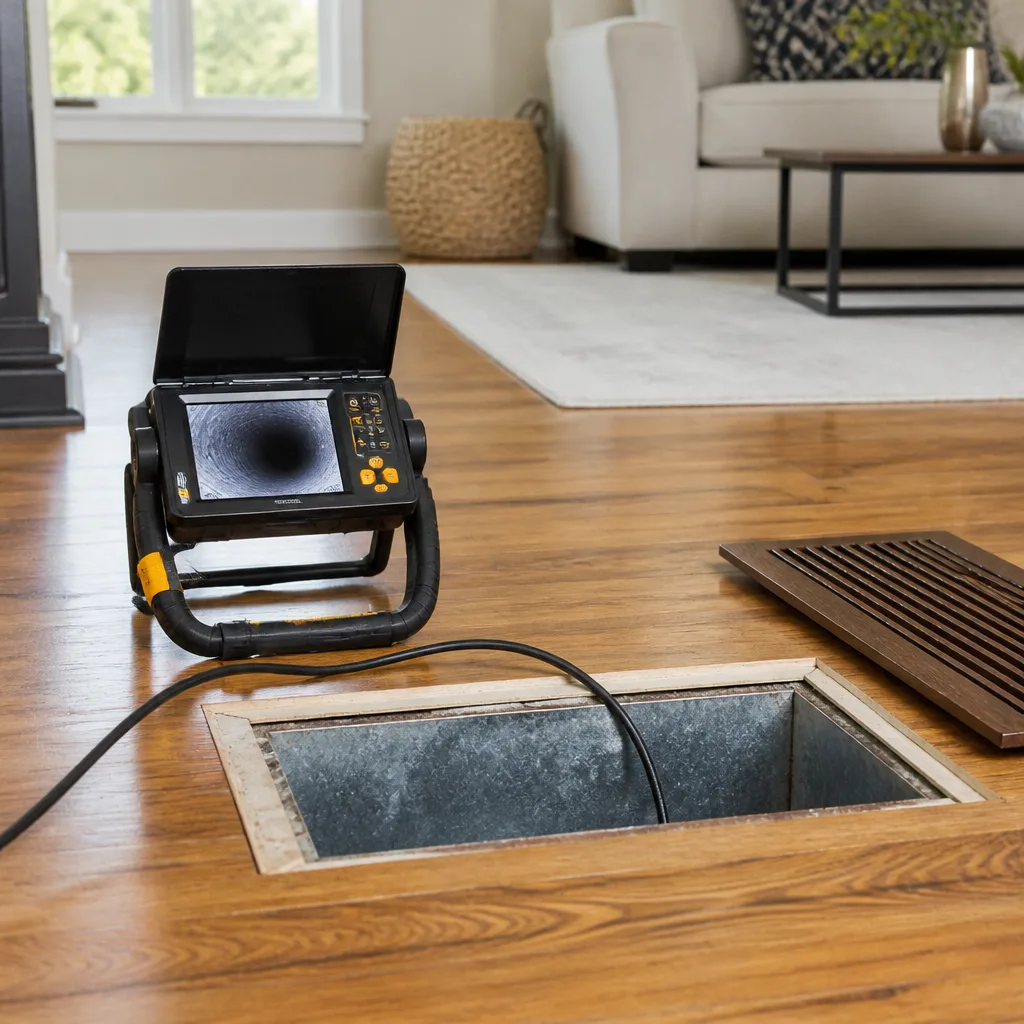 Camera inspection
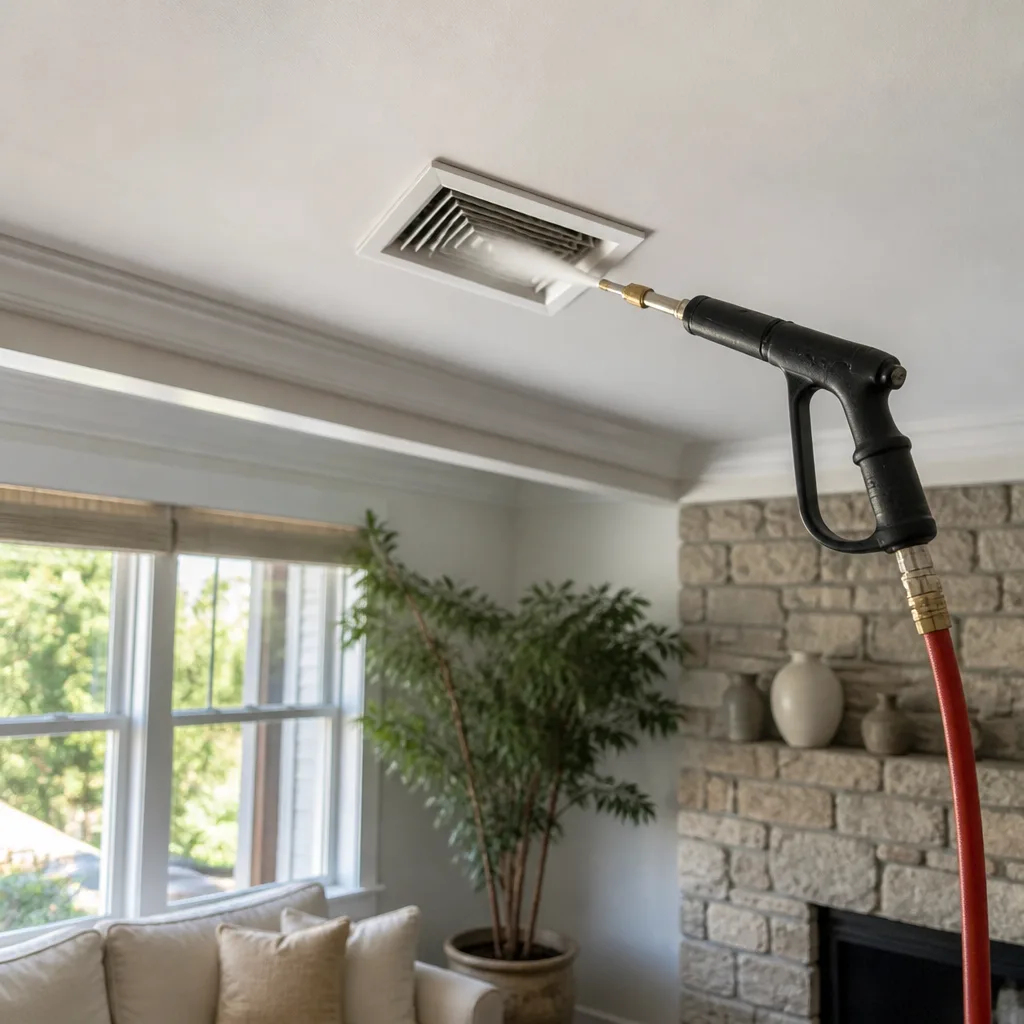 Sanitizing & deodorizing
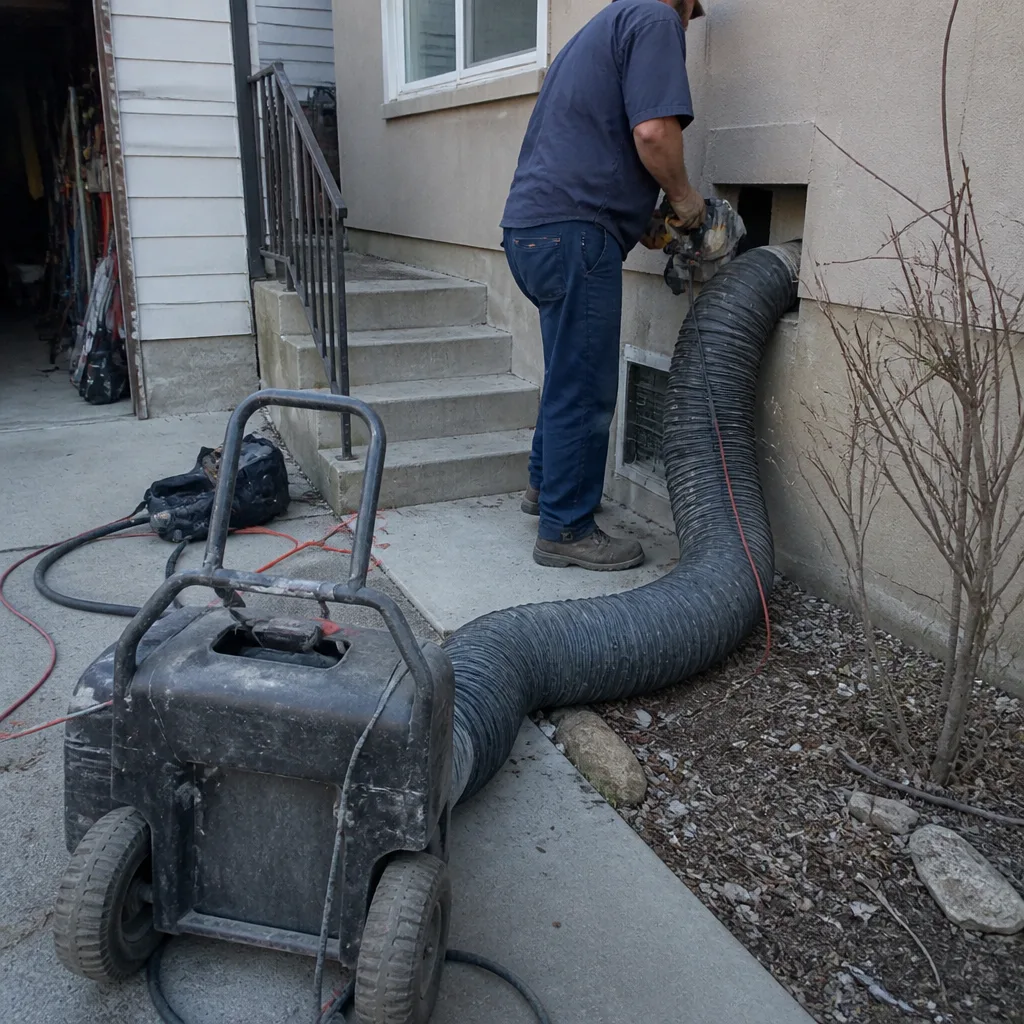
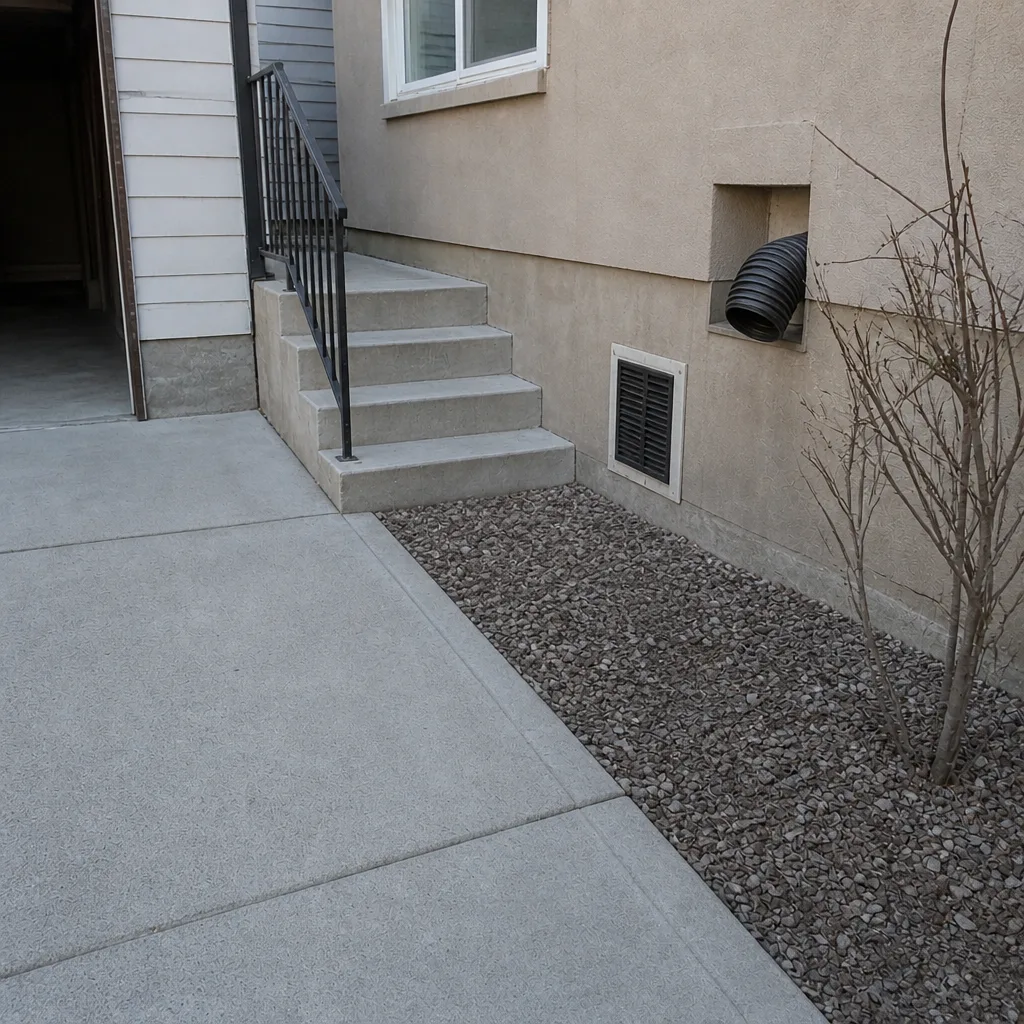
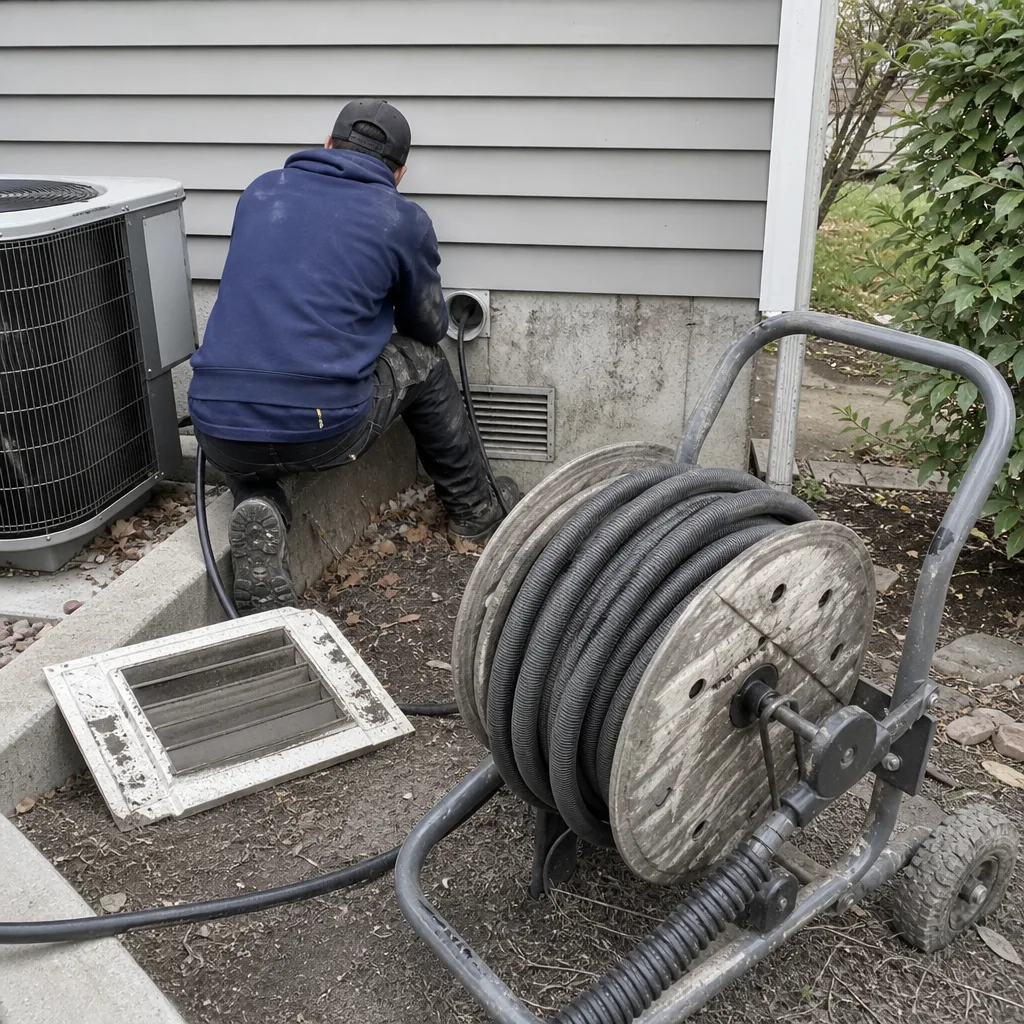
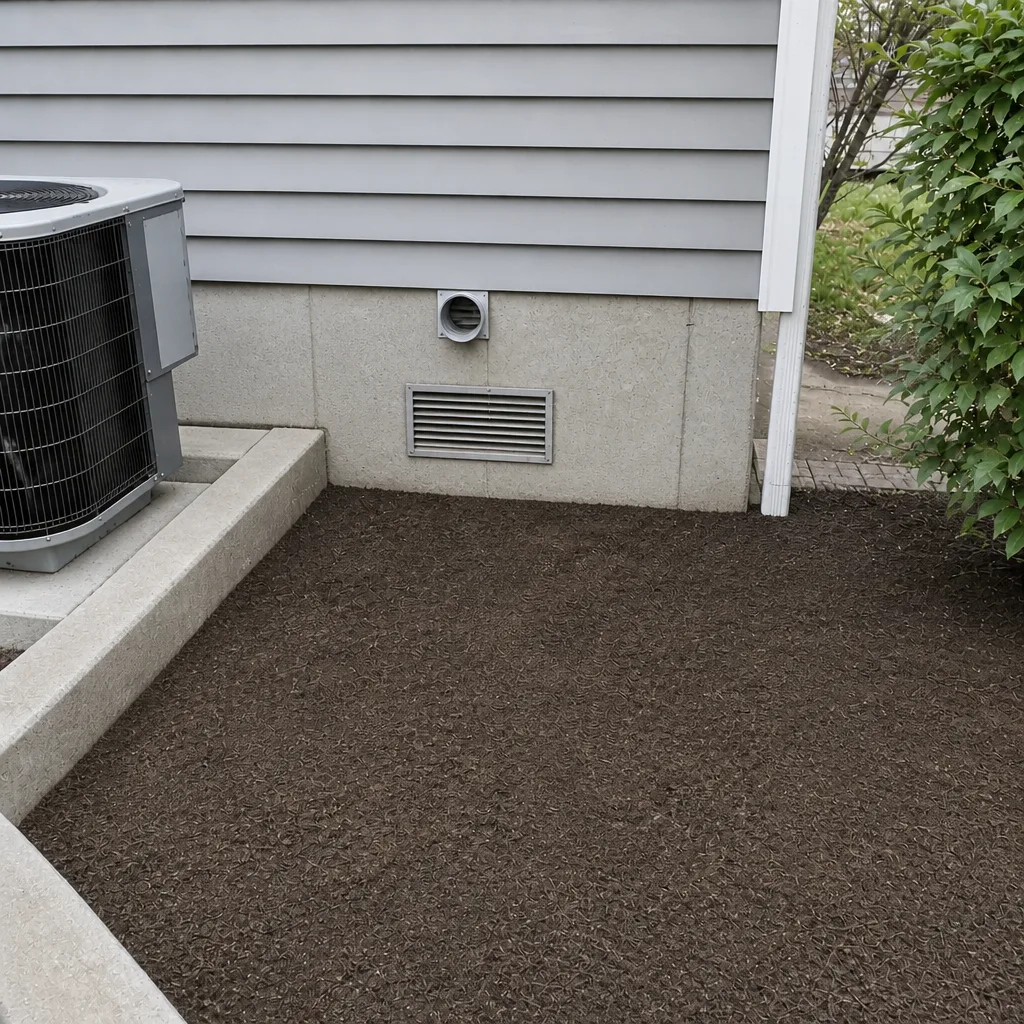
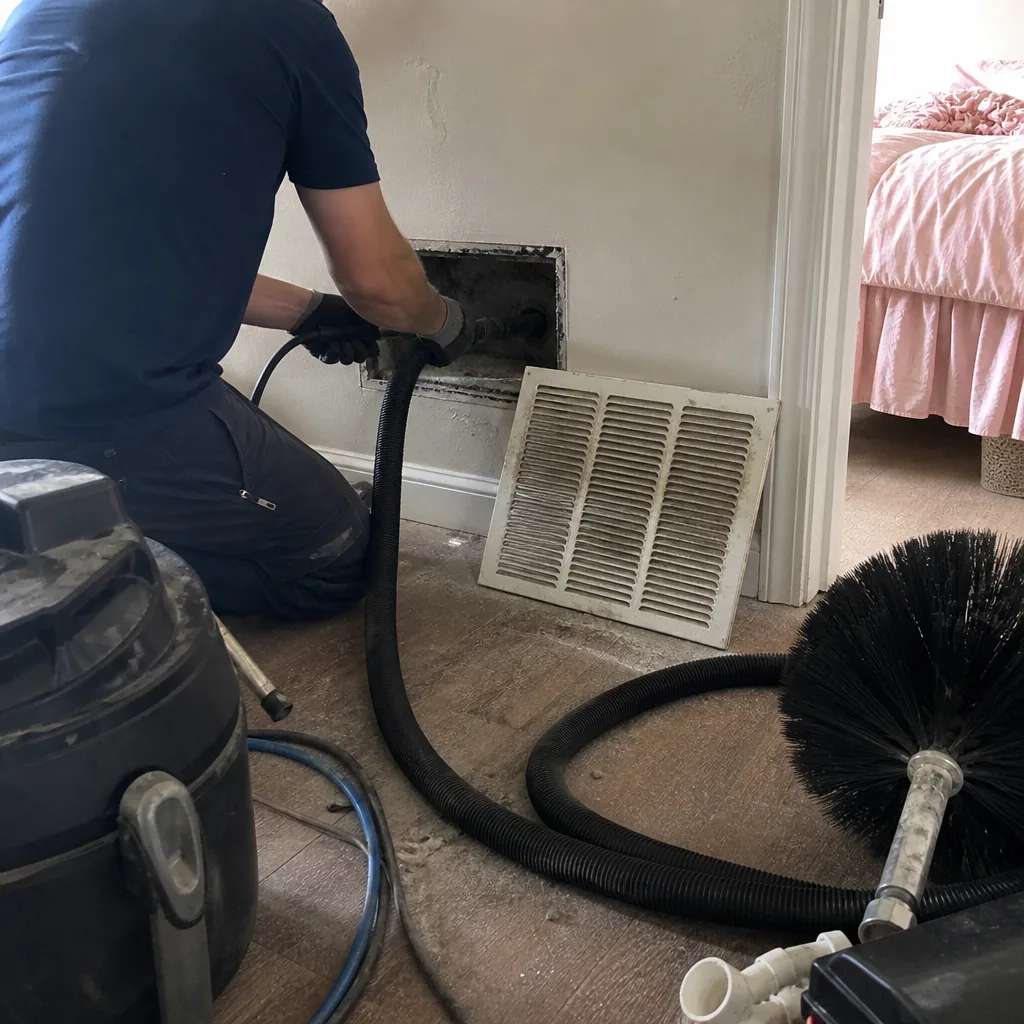
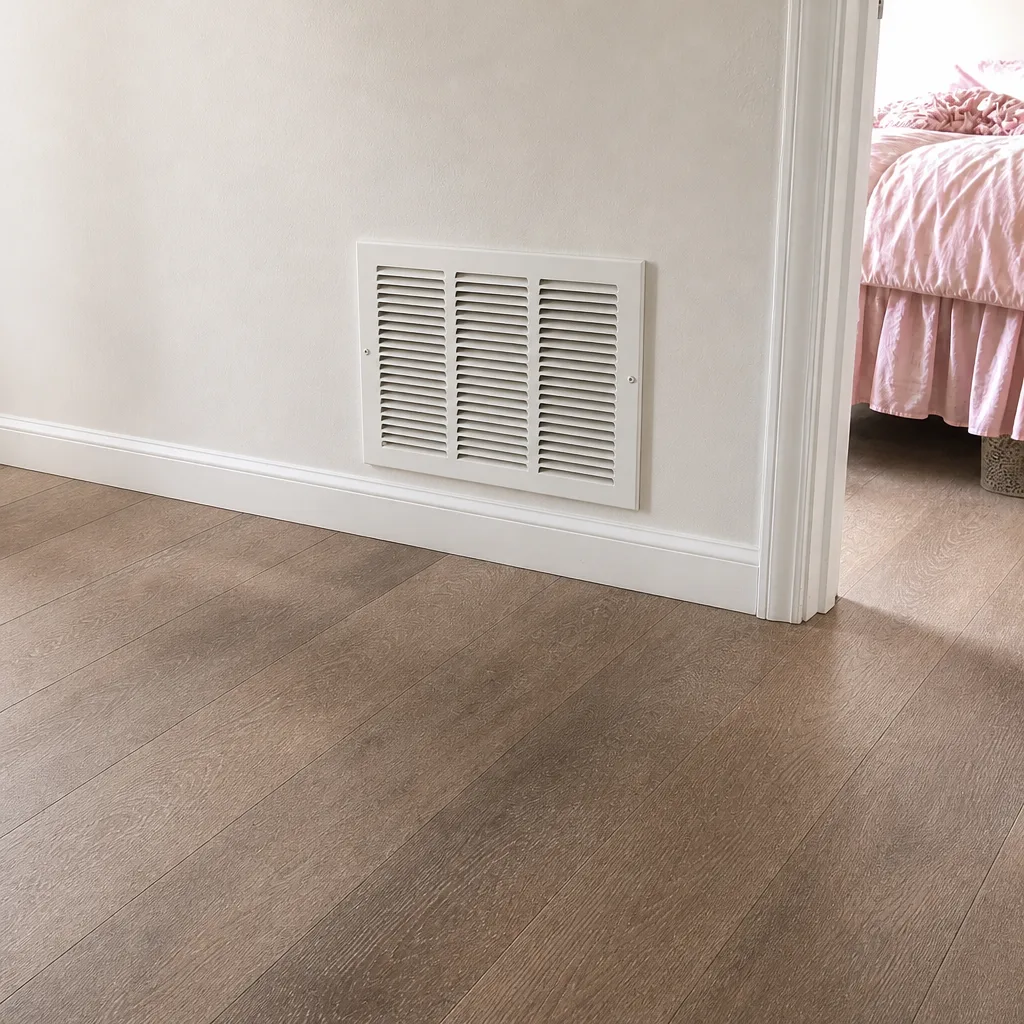
Whole-system duct and dryer vent check with before-and-after photos - you see exactly what came out of your vents
That "$99 whole-house special" is a bait ad - the real number appears once they are in your hallway, or the "clean" is a shop-vac at the register. We photograph the inside of your ducts before and after instead.
Air Duct Cleaning Permits, Codes & Inspections in Provo, UT: What You Need to Know
Most people assume duct cleaning is a no-permit job. Usually they’re right. Cleaning dust and debris out of the ducts that already exist isn’t construction, and Provo doesn’t make you file paperwork for it. The confusion starts the moment the scope shifts. The second a technician cuts into a duct run, seals a joint with aerosol spray, or changes how the air handler moves air, you’ve crossed from maintenance into mechanical alteration, and that’s a different conversation entirely. This guide walks through where that line sits in Provo, how the Utah Uniform Mechanical Code applies, when a permit and inspection are actually required, and what home inspectors and buyers look for when duct work shows up in a sale.
Quick Answer
Routine air duct cleaning in Provo, UT does not require a permit. Cleaning, vacuuming, and sanitizing the inside of existing ducts is considered maintenance. Duct repair, duct sealing that alters airflow paths, and any modification to the air handling unit can fall under the Utah Uniform Mechanical Code and may require a mechanical permit and inspection from Provo City. The permit question hinges on whether your job is cleaning or altering, and a reputable contractor should tell you plainly which one applies before work starts.
Styles & brands we work with
- Whole-home duct cleaning
- Dryer vent cleaning
- Camera inspection
- Sanitizing & deodorizing
Table of Contents
- Is duct cleaning permit-exempt in Provo?
- Where cleaning ends and mechanical alteration begins
- How aerosol duct sealing is classified in Utah
- How to pull a mechanical permit with Provo City
- What a mechanical inspection actually checks
- How undocumented duct work shows up in a home sale
- Contractor red flags around permits
- Common mistakes to avoid
- When to call a professional
- Frequently asked questions
Is duct cleaning permit-exempt in Provo?
Yes. Cleaning air ducts in an existing home is permit-exempt in Provo. If all the technician is doing is pulling debris, dust, and contaminants out of the duct system you already have, the work is classified as maintenance, not construction. No city permit, no inspection, no code compliance review. The building department doesn’t get involved because nothing about the structure or the mechanical system is being changed.
That exemption is narrow, though, and here’s why it matters. Provo has a lot of older housing stock, especially in neighborhoods like Maeser and Joaquin, where duct systems have been patched, extended, and rerouted over the years. Cleaning those ducts is still cleaning. But if the technician discovers a crushed flex run, a disconnected trunk, or a boot that was never sealed and proposes to fix it, that repair work can move your job into a different category. The moment you’re cutting, replacing, or resealing duct material, you’re not maintaining anymore, you’re altering the system.
The practical test we use is simple. If the question is “is there debris to remove?” you’re in cleaning territory. If the question is “does this duct need to be changed to work correctly?” you’re potentially in mechanical code territory. On an air duct cleaning visit, we scope the job and tell the homeowner which side of that line they’re on before any repair is quoted.
- Usually exempt: brushing and vacuuming existing ducts, sanitizing with an approved product, replacing accessible registers and grilles.
- May require a permit: cutting or replacing duct runs, sealing joints and boots in a way that changes airflow, modifying the air handler cabinet, adding or removing supply or return branches.
- Almost always requires a permit: new ductwork, relocating a return, or anything touching the gas side of the furnace.
Where cleaning ends and mechanical alteration begins
The Utah Uniform Mechanical Code governs HVAC installations and alterations in Provo, and the key phrase is “alteration.” A repair that restores a duct to its original function typically doesn’t trigger a permit. A repair that changes the system’s layout, capacity, or routing does. This is where a lot of homeowners get caught off guard, because they thought they were buying cleaning and ended up buying duct repair without realizing the repair portion might need sign-off.
Here’s the practical breakdown of what pushes a job across that line:
- Cutting into a duct run to add a branch. Adding a supply drop to a room that didn’t have one is a layout change. That’s mechanical alteration and it needs a permit.
- Replacing a section of duct with a different size or material. Going from rigid galvanized to flex, or changing a trunk size, changes the system. Pull a permit.
- Sealing joints and boots that were never sealed. This one’s a gray area. Sealing an existing joint to stop leakage is usually maintenance. Sealing in a way that materially changes static pressure is closer to an alteration, and a careful contractor will flag it.
- Modifying the air handler cabinet. Cutting into the cabinet for access, adding a transition, or changing the plenum connects to the mechanical system directly. Always a permit.
- Removing a section of duct entirely. Removing ductwork changes how the system distributes air. That’s an alteration.
None of this means duct repair is suspicious. It means the work has a category, and a contractor who knows the code will say so out loud. In our experience, the honest answer to “do I need a permit?” is often “not for the cleaning, but let me look at that repair before I quote it.”
How aerosol duct sealing is classified in Utah
Aerosol duct sealing, the process where a fine sealant mist is blown through the duct system to coat and seal leaks from the inside, sits in a tricky spot under Utah’s mechanical code framework. In some applications it’s treated as routine maintenance, in others as a regulated mechanical modification. Which one depends on what the sealant is actually doing and how much of the system’s performance it changes.
The distinction that matters:
- Cosmetic or minor leakage sealing on a system with small leaks and no performance complaints is generally treated as maintenance. The sealant coats the leaks and the system performs the way it always has.
- Significant airflow correction on a system with known pressure problems, comfort complaints, or design issues gets closer to a mechanical modification. You’re changing how the system behaves, not just closing gaps.
- Sealing on a system that’s under a permit for other work becomes part of that permitted scope and should be inspected along with the rest of it.
Our own guidance to Provo homeowners is this: ask the contractor to explain their classification of the sealing work in writing. If they can’t tell you why the job is or isn’t permitted, that’s your answer about their judgment. We don’t treat aerosol sealing as a party trick. When we recommend it, we explain what it does to the system and whether a mechanical inspection applies. The same standard applies whether you’re dealing with an older home near the Provo Temple or a newer build out toward the east bench.
How to pull a mechanical permit with Provo City
If your duct work crosses into mechanical alteration, someone has to pull a permit from Provo City’s building department before the work begins. In most cases the licensed contractor pulls it, and the homeowner should verify that they will. Here’s the general sequence:
- Determine the scope in writing. The contractor lists what’s being altered, not just what’s being cleaned. Duct repair, duct replacement, AHU modification, and sealing that changes airflow should all be spelled out.
- Confirm who pulls the permit. The licensed contractor of record usually does. If a company tells you to pull it yourself as a homeowner, that’s a sign they don’t want to be the responsible party, and that’s worth asking about.
- Submit the application to Provo City. The building department handles mechanical permits under the Utah Uniform Mechanical Code. They’ll ask for the scope, the contractor’s licensing information, and the address.
- Schedule the inspection. Once the permit is issued and the work completes, the city inspector checks the alteration before it’s covered up or signed off.
- Keep the final inspection documentation. If you ever sell the home, this paperwork is what proves the alteration was legal and inspected.
We connect homeowners with local mechanical contractors who do this routinely, and the ones who know the process don’t hesitate when you ask. That’s how it should work. On the cleaning side, Provo Air Duct Cleaning handles the maintenance scope, and when a job needs a permit, we make sure the homeowner knows who’s pulling it and why before the work is scheduled.
What a mechanical inspection actually checks
A mechanical inspection on duct alteration work isn’t checking your air quality. It’s checking code compliance. The inspector wants to see that the duct materials meet code, that connections are properly made, that the system doesn’t create unsafe conditions, and that the alteration was done the way the permit described.
What the inspector is looking at, in general terms:
- Material compliance. Duct materials, sealants, and insulation need to meet the code requirements for the application.
- Connection integrity. Joints, boots, and transitions need to be fastened and sealed properly.
- Clearances. Duct work near combustibles, the furnace, and the water heater needs proper separation.
- Return and supply balance. The alteration can’t create a condition where the system can’t move air safely.
- Combustion air safety. In homes with gas appliances, duct alterations can’t interfere with combustion air supply. This is where a lot of DIY work gets flagged.
Provo has a mix of older homes with atmospheric-vent gas furnaces and water heaters, and duct alterations that change how a mechanical room vents can create backdraft risk. The inspection catches that. In our experience, most failed inspections in this area are about combustion air and clearances, not aesthetics.
How undocumented duct work shows up in a home sale
When a Provo home is listed for sale, the buyer’s inspector looks at the mechanical system. Not in deep forensic detail, but enough to spot the signs of unpermitted work: shiny new duct runs that don’t match the rest of the system, mismatched materials, repairs that look hand-cut, and in some cases a permit history that doesn’t line up with the visible work.
What the inspector looks for around duct work:
- Visible repair patches that don’t match the system’s original duct material.
- New flex duct spliced into older rigid duct without a transition that matches code.
- Missing insulation on attic duct runs, which is common in older Provo attics and affects efficiency.
- Improper sealing at joints and boots, which can show up as air leakage during a performance test.
- Air handler modifications that were done without a permit, which can affect warranty and disclosure.
Buyers’ agents in Provo generally ask for permit history on mechanical work. If the seller can’t produce it for an alteration that was clearly done, the buyer asks for a credit or asks the seller to pull a retroactive permit. That’s a hassle on a timeline, and in the wrong circumstances it can delay or kill a closing. The fix is simple: keep your paperwork.
Contractor red flags around permits
The clearest signal that a duct contractor is going to be a problem isn’t price. It’s what they say when you ask about permits. A company that does this work correctly has an answer ready, because the question comes up constantly. A company that flinches at it doesn’t want the paper trail, and that’s the contractor worth walking away from.
What to watch for:
- They tell you permits are never required for duct work. Sometimes that’s true and sometimes it isn’t. A blanket answer means they’ve stopped thinking about it.
- They discourage you from calling the city. A legitimate contractor wants the city involved if the job requires it. If they tell you not to ask, ask why.
- They can’t put the scope in writing. Cleaning versus repair versus alteration needs to be defined before work begins. If the estimate is vague about scope, the job will be vague about liability.
- They ask you to pull the permit. A licensed contractor of record pulls the permit for their own work.
- They won’t sign off on the work as cleaned. Improperly done duct cleaning can leave debris that affects performance and can make your system unhappier than it started.
When we quote a job in Provo, we tell the homeowner up front whether the scope is maintenance or alteration and what that means for permits. We’re not going to tell you permits are required when they aren’t, and we’re not going to hide behind the cleaning exemption when the job crosses the line.
Common Mistakes to Avoid
- Assuming all duct work is permit-free. Cleaning is exempt in Provo, but duct repair, sealing that changes airflow, and AHU modification can trigger a mechanical permit. Ask specifically about the repair scope, not the cleaning scope.
- Not getting the scope in writing before work starts. If the estimate doesn’t say what’s being cleaned and what’s being repaired, you can’t tell later whether the work was permitted. Make them spell it out.
- Letting a contractor talk you out of calling Provo City. The building department is a phone call away, and any contractor who discourages that call isn’t protecting you. They’re protecting themselves.
- Skipping before-and-after documentation. Photos of your own ducts before and after cleaning are your proof the work was done. If a company doesn’t photograph the work, you can’t verify it happened.
- Throwing away inspection paperwork. When you sell, the buyer’s inspector will ask for permit history on mechanical alterations. If you don’t have it, you’re at the buyer’s mercy on credits.
- Treating dryer vent cleaning as optional maintenance. Dryer vents are a fire risk, not just a maintenance item, and in Provo’s older homes the vent runs are often longer than they should be. Don’t skip it just because it’s not a permitted scope.
- Hiring the cheapest bid without checking equipment. A shop-vac setup and a purpose-built Rotobrush system are not the same job. Ask what equipment they bring before you ask what it costs.
When to Call a Professional
Call a professional when you can see visible dust buildup at the registers, when allergy or asthma symptoms get worse inside the home, when you’ve recently finished a renovation and debris is in the ducts, or when your HVAC system is running harder than it used to without an obvious reason. Call sooner if a technician has already told you a duct needs repair, because that job moves from cleaning into permitted territory and you want someone who understands the difference. Dryer vents are a separate call but a serious one: a clogged dryer vent is a fire risk, and it needs to be cleared with proper equipment. dryer vent cleaning is a service we treat as fire safety, not an add-on. If you’re ready for a full scope assessment, Provo Air Duct Cleaning offers free estimates in Provo. Call (855) 658-4391. We answer 24/7. Fast dispatch from 7am to 7pm, Sunday through Friday.
Frequently Asked Questions
No. Routine air duct cleaning in Provo is permit-exempt because it’s classified as maintenance on an existing system. If the job includes duct repair, duct replacement, or a modification to the air handler, that portion can require a mechanical permit from Provo City. Ask the contractor to separate cleaning from repair in the written estimate so you know which one you’re buying. Call (855) 658-4391 for a free scope assessment.
It depends on the scope. Aerosol sealing that closes minor leaks on an otherwise healthy system is generally treated as maintenance. Sealing that materially changes system performance, corrects known pressure problems, or is done alongside other mechanical alterations is closer to a regulated modification and may require a permit. Have the contractor explain their classification of your specific job in writing before work begins, then confirm with Provo City if you’re unsure. Call (855) 658-4391 for a free estimate.
Yes. Buyer inspectors in Provo look for signs of unpermitted duct alterations, and buyers’ agents typically ask for permit history on mechanical work. If the paperwork doesn’t exist for an alteration that was clearly done, the buyer may ask for a repair credit or require the seller to pull a retroactive permit. Keep the inspection documentation from any permitted work and you’ll avoid the problem entirely.
Purpose-built equipment is the baseline. Look for a rotary brush system like a Rotobrush and a HEPA-rated vacuum like a Nikro, because those are designed for containment-grade debris removal and mechanical agitation inside the duct. A shop-vac setup is not the same job. We also use Abatement Technologies air filtration equipment when a job needs particulate control beyond standard dust removal. Ask what they bring before you book. Call (855) 658-4391 for an exact quote.
Most Provo homes don’t need duct cleaning on a fixed schedule. Trigger-based cleaning is the honest answer: after a renovation, after visible debris buildup, when allergy symptoms flare up inside the house, or when HVAC efficiency drops without another explanation. Homes with pets, smokers, or heavy dust in the neighborhood may need it more often. If a company gives you a blanket annual schedule with no inspection, that’s a sales pitch, not a recommendation. Call (855) 658-4391 for a free estimate.
Ask for before-and-after photos of your own ducts, taken during the job, plus a written clean-and-seal record. The work isn’t invisible; a proper job produces documentation. If you want the work inspected by a third party, Provo City’s mechanical inspection process covers permitted alterations but not cleaning. For cleaning, the photos and the written scope are your proof. Call (855) 658-4391 for a free estimate.
The Bottom Line
Duct cleaning in Provo doesn’t need a permit, and that’s fine. What matters is knowing where the exemption stops. Repair, sealing that changes airflow, and air handler modifications can require a mechanical permit under the Utah Uniform Mechanical Code, and unpermitted work shows up later in home sales, insurance questions, and inspection reports. Get the scope in writing, ask who pulls the permit, keep the documentation, and choose a contractor who answers permit questions without flinching. That’s the whole discipline. Our technicians have up to 9 years of experience, and we scope every Provo job before we quote it.
Ready to get it looked at properly? Call (855) 658-4391. We answer 24/7. Fast dispatch from 7am to 7pm, Sunday through Friday. Estimates are free, and the written estimate sets the final price.
Written by the team at Provo Air Duct Cleaning.
See the difference
 Before
 After
 Before
 After
 Before
 After