
Last updated November 24, 2026
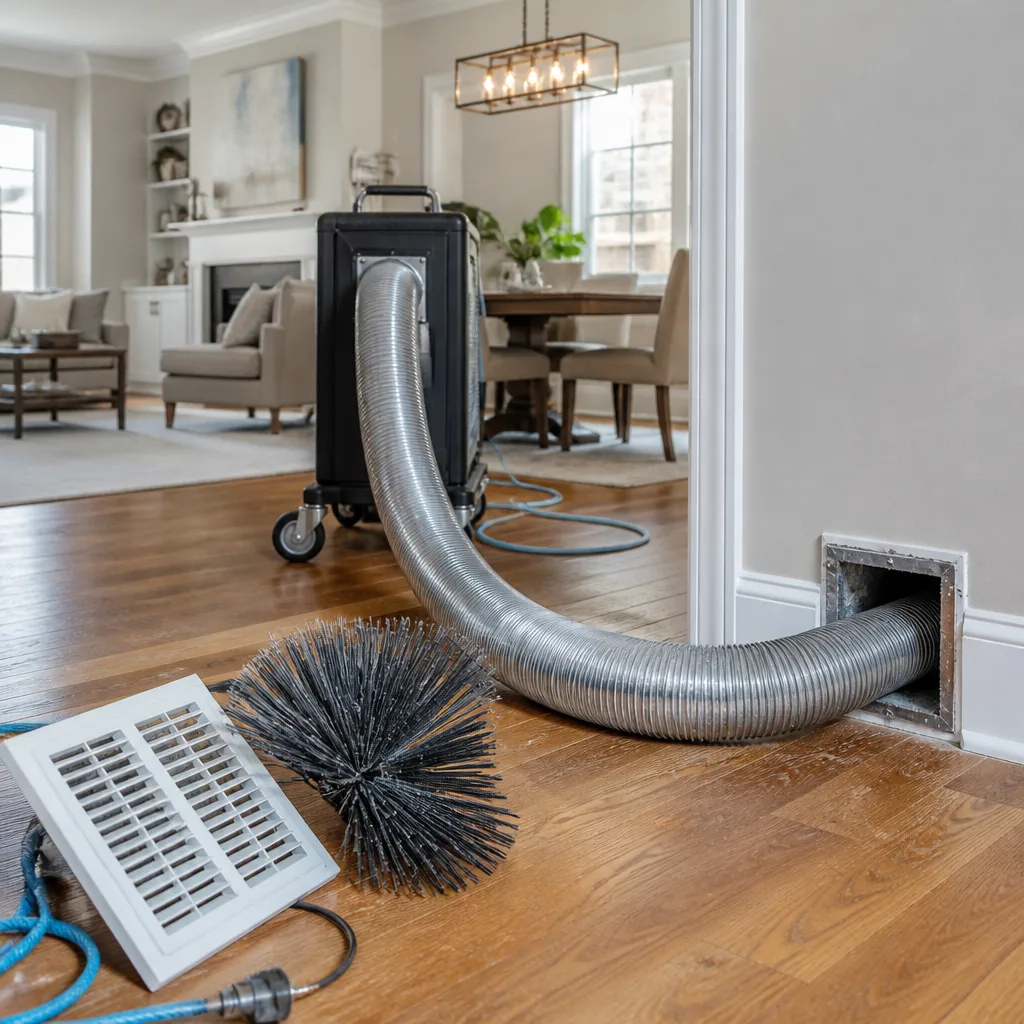 Whole-home duct cleaning
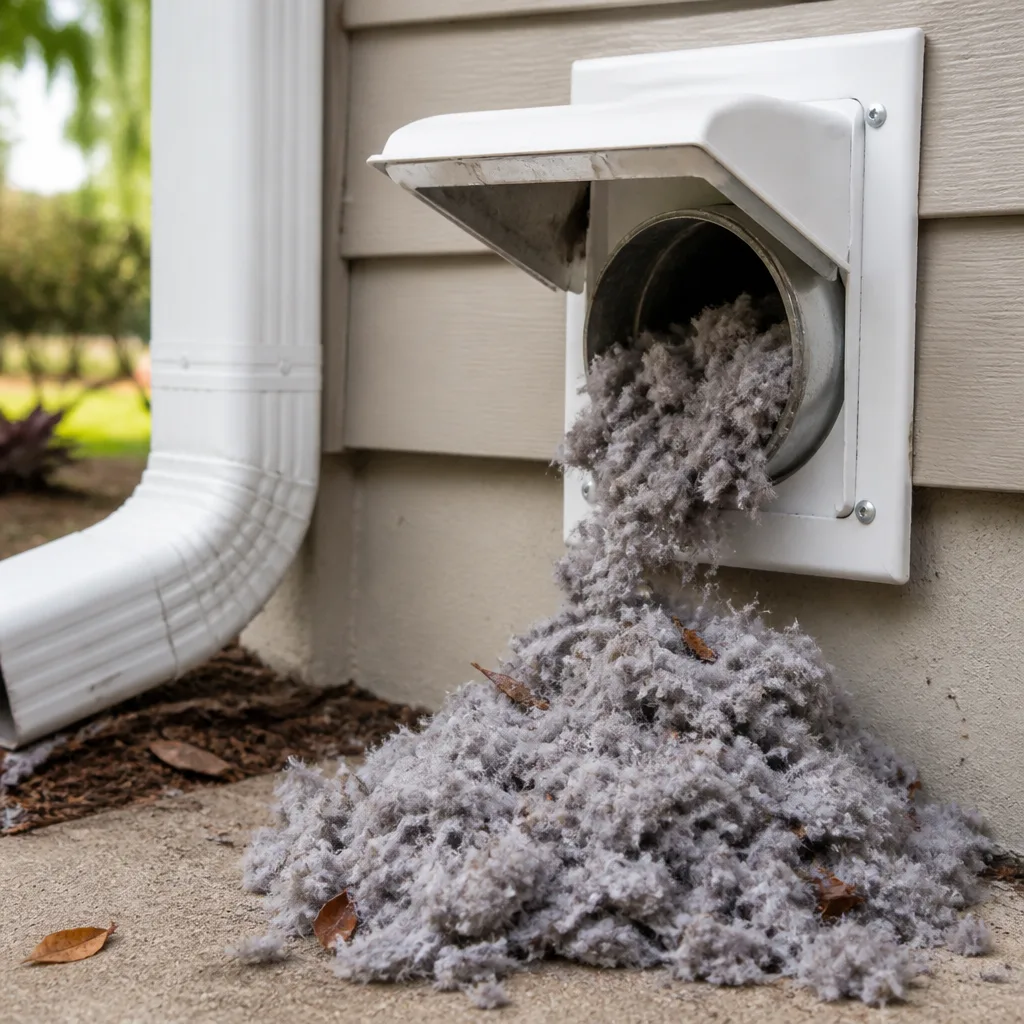 Dryer vent cleaning
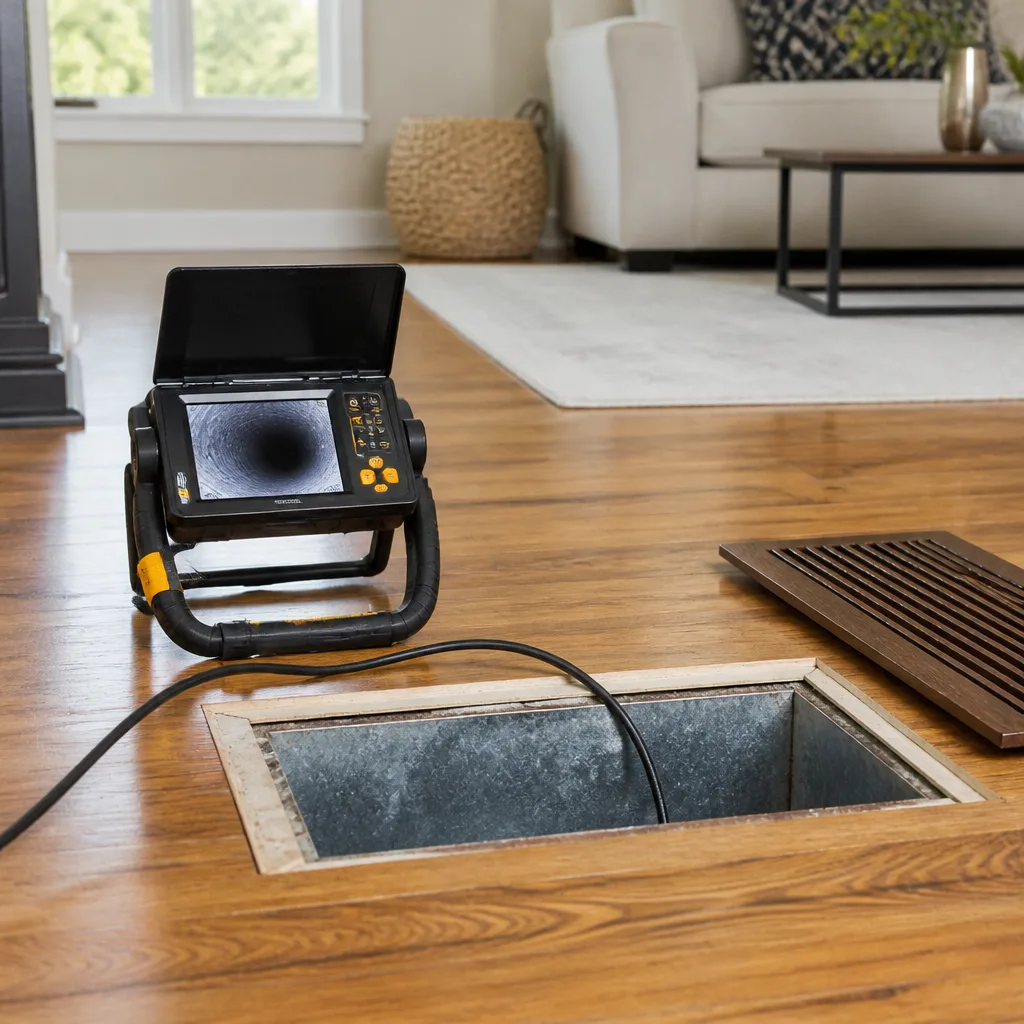 Camera inspection
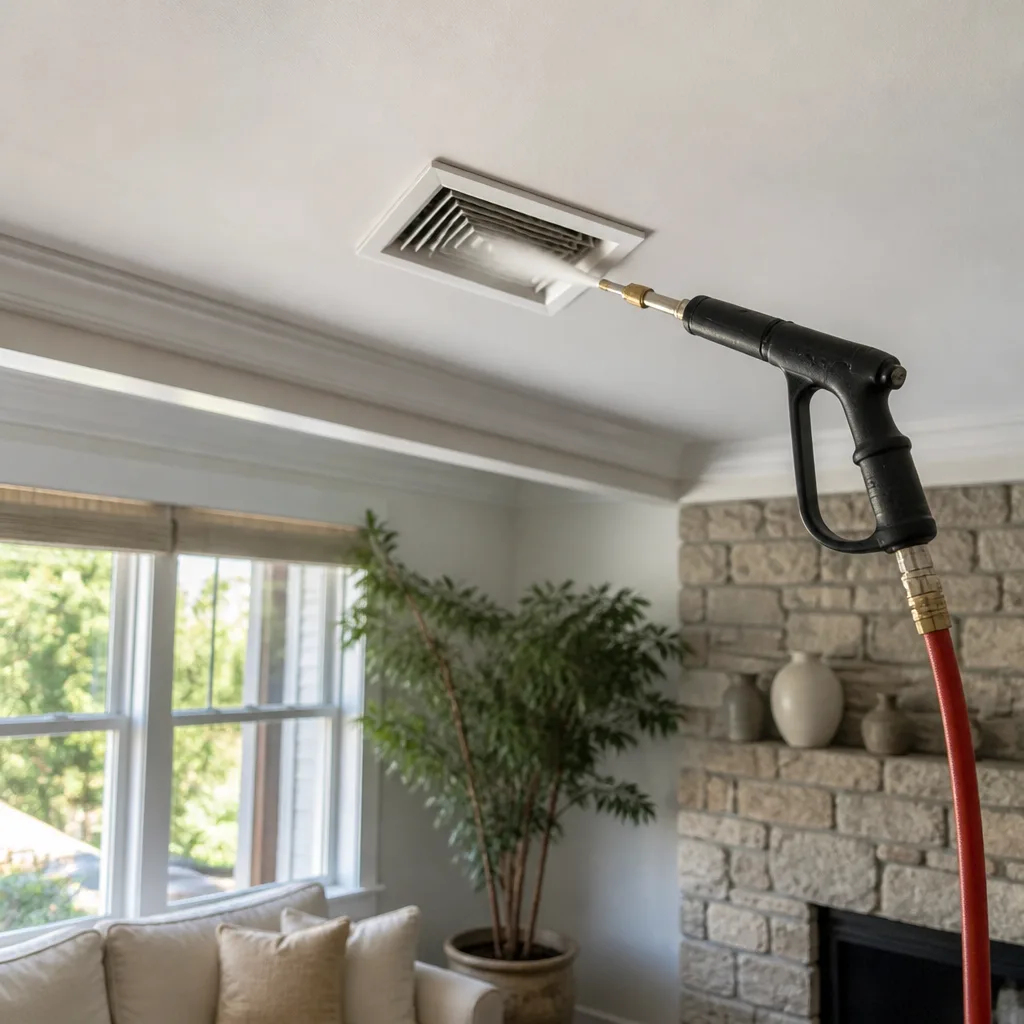 Sanitizing & deodorizing
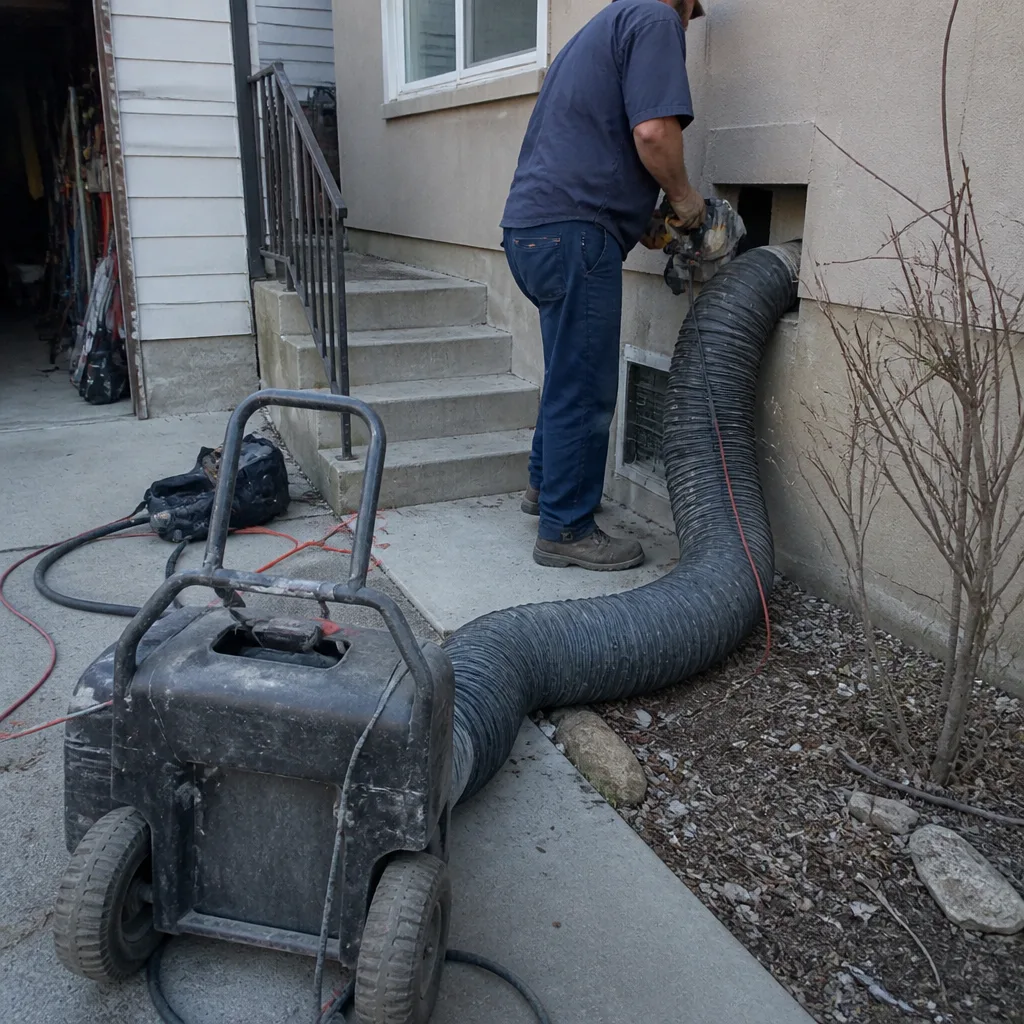
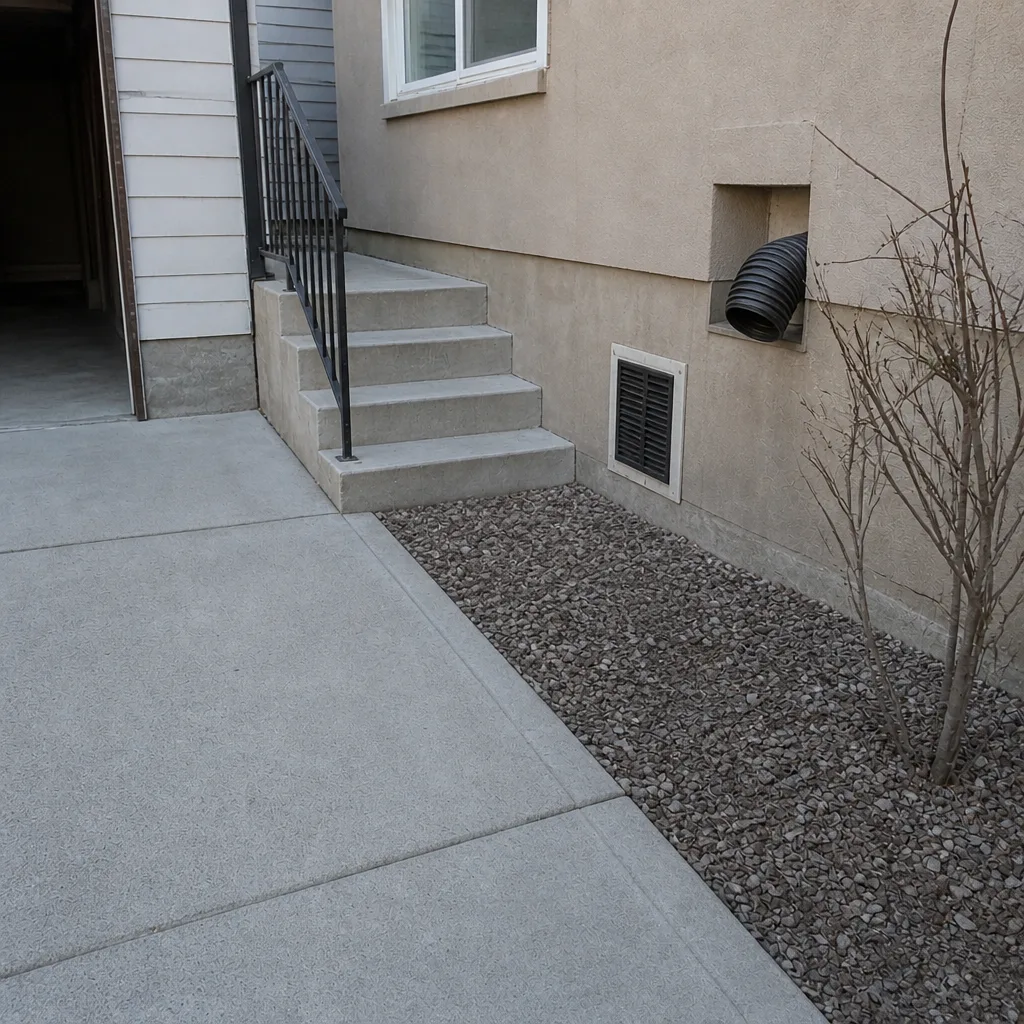
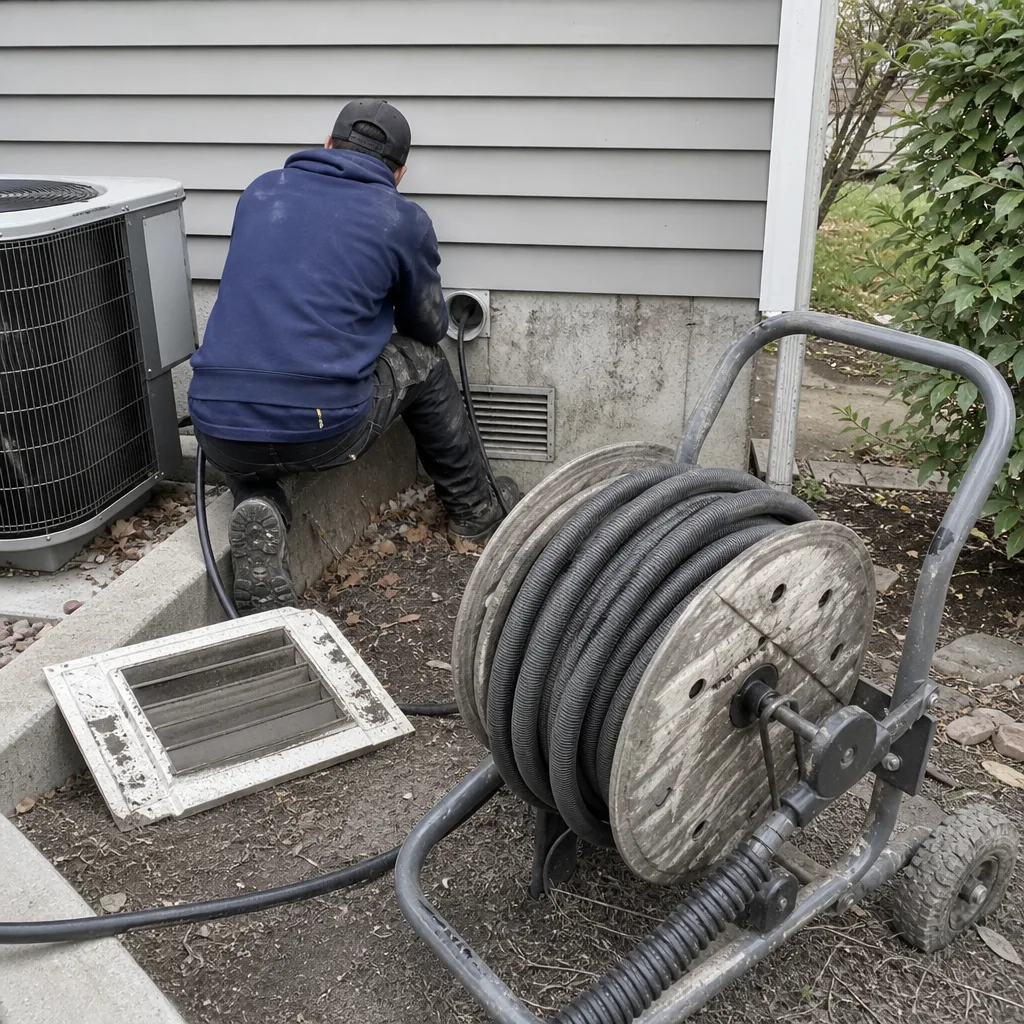
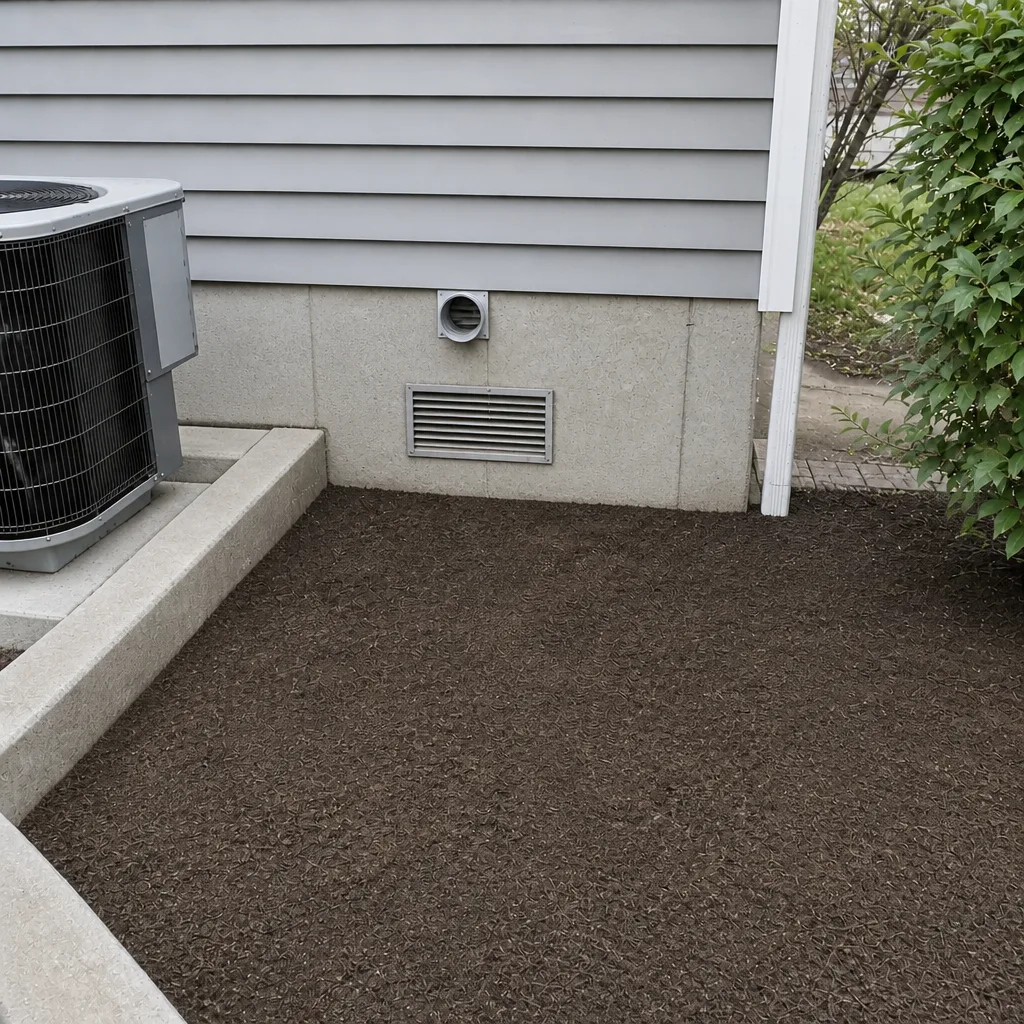
Whole-system duct and dryer vent check with before-and-after photos - you see exactly what came out of your vents
That "$99 whole-house special" is a bait ad - the real number appears once they are in your hallway, or the "clean" is a shop-vac at the register. We photograph the inside of your ducts before and after instead.
Air Duct Cleaning Maintenance Checklist for Provo Homeowners
Changing your filter on schedule feels responsible. And it is. But a clogged blower wheel upstream of that filter can quietly cut your system’s airflow, and no filter swap will fix it. That’s the part no checklist reminds you to inspect. Most homeowners in Provo focus on the filter because it’s the one thing they can see, then wonder why the house still feels dusty through a Utah County winter. Below is a maintenance checklist built around how homes here actually live: furnace-heavy cold months, cottonwood seed in late spring, and construction dust that never quite settles while the valley keeps building. You’ll get monthly, quarterly, and annual tasks, a simple register test you can run yourself, and clear guidance on where DIY stops and a technician should step in.
Styles & brands we work with
- Whole-home duct cleaning
- Dryer vent cleaning
- Camera inspection
- Sanitizing & deodorizing
Quick Answer
A workable air duct maintenance routine in Provo means checking registers monthly, changing filters on the interval your system actually needs, inspecting the blower wheel and evaporator coil at least once a year, and scheduling professional whole-system cleaning every three to five years depending on dust and renovation activity. The biggest gaps for most Provo homeowners are the blower and coil, which almost nobody inspects, and record-keeping, which matters if you ever sell the house. Everything else is straightforward once it’s on a calendar.
Table of Contents
- Why Provo Duct Maintenance Isn’t a Generic Checklist
- Monthly Tasks: The Filter and the Register Check
- Quarterly Tasks Tied to Provo’s Seasons
- Annual Tasks: Blower, Coil, and Duct Interior
- The White Cloth Test: Reading What Your Registers Tell You
- Keeping Records That Hold Up
- Wildfire Smoke, Inversion Days, and Recirculate Mode
- Common Mistakes to Avoid
- When to Call a Professional
- Frequently Asked Questions
- The Bottom Line
Why Provo Duct Maintenance Isn’t a Generic Checklist
A national maintenance template will tell you to change the filter every 90 days and call it done. That schedule was written for an average house in an average climate, and Provo is neither. Local conditions load ductwork in ways a generic checklist doesn’t account for, and the gap shows up as dust on the blinds, uneven room temperatures, and a furnace that works harder than it should.
Three local stressors deserve their own lines on any Provo homeowner’s calendar:
- Construction dust from valley development. Provo and the surrounding valley have been building steadily, and fine gypsum and concrete dust travels. Homes near active construction or a recent remodel pull far more particulate into the return side than the filter alone can stop.
- Cottonwood seed season. Late spring brings cottonwood fluff that gathers on outdoor condenser coils and gets tracked or drawn indoors. It mats into filters fast and can coat the indoor coil if the filter is overdue.
- Furnace-heavy winters. From roughly November into March, windows stay shut and the same air recirculates through the system day after day. Anything sitting in the ducts stays in the breathing zone longer here than in a mild climate where homes ventilate naturally.
That combination means duct maintenance in Provo is less about a single big cleaning and more about a rhythm. Filter discipline handles what’s airborne today. Blower and coil inspection handles what’s already built up where airflow starts. Professional cleaning handles the duct interior itself. Skip one leg and the other two work against a losing hand.
The good news: none of this is complicated, and most of it is free. You need a calendar, a few minutes a month, and the judgment to know when to hand off.
Monthly Tasks: The Filter and the Register Check
Monthly maintenance is mostly observation. You’re not fixing anything. You’re catching drift before it becomes a service call.
- Look at the filter, don’t just trust the calendar. Pull it and hold it up to a light. If you can’t see brightness through it, it’s done, regardless of what the box said. During cottonwood season or an active remodel, a filter that normally lasts three months may load up in weeks.
- Note the filter’s MERV rating. A higher rating catches more, but too high a rating on an older system chokes airflow and strains the blower. Match the rating to your equipment’s spec rather than buying the thickest one on the shelf.
- Walk the registers. Open and close each supply and return damper once to make sure nothing is stuck. Feel the airflow at each supply. A register that’s noticeably weaker than the others is a signal, not a quirk.
- Glance at the return grille. Hair, pet fur, and dust bunnies collect on the return side faster than anywhere else. Vacuum the grille face when you see buildup.
- Check for condensation or musty smell near the air handler. Both point to a moisture issue worth investigating before it spreads.
Five minutes, once a month. The register walk-through is the highest-value part, because it teaches you what your system’s normal looks and feels like. Once you know normal, a change is obvious.
If you’d rather have the whole air pathway assessed once by equipment built for it, our air duct cleaning service starts with exactly that kind of inspection. Professional-grade equipment shows what a flashlight and a filter check can’t.
Quarterly Tasks Tied to Provo’s Seasons
Quarterly tasks follow the local calendar rather than a generic one. What you do in April is different from what you do in October, and both matter.
Spring: cottonwood and pollen prep
Before cottonwood season peaks, rinse the outdoor condenser coil with a garden hose and clear debris from around the unit. Check the filter more often through May and June. If you’re running the system on fan-only to move air, know that it pulls through the return just the same, so the filter still loads.
Summer: cooling season and smoke
Mid-summer in Provo brings wildfire smoke days and the occasional inversion. This is when recirculate mode and a properly rated filter earn their keep (more on that below). Check the condensate drain line for clogs, since a full drain pan and a humid house is a mold setup, not just an inconvenience.
Fall: furnace changeover
Before you switch to heat, change the filter, vacuum the return grilles, and listen to the furnace on first startup. Any rattle, whistle, or short cycling is worth a look now rather than in January. This is also the natural time to book professional cleaning if it’s due, so the heating season starts with clean ducts.
Winter: sealed-house air quality
Once the windows close for the season, the ducts are your air supply whether you think about them or not. Keep the filter schedule tight, vacuum more often, and watch for static shocks and dry air that point to a filtration gap.
If you have a dryer that takes longer than it used to, handle that on a quarterly rhythm too. dryer vent cleaning is a fire-safety service, not a maintenance nicety, and lint buildup is the reason.
Annual Tasks: Blower, Coil, and Duct Interior
This is where most Provo homeowners have a blind spot. The blower wheel and the evaporator coil sit upstream of everything you can see, and neither is on a typical checklist. Both should be inspected at least once a year.
Here’s the general shape of what a technician checks:
- Blower wheel. The fan that moves air through your system collects dust on its blades. A loaded wheel moves less air for the same energy. It’s not a component you should clean yourself, since the assembly needs to come apart and the motor has to be handled correctly.
- Evaporator coil. The indoor coil sits in the air stream and acts like a filter over time. A matted coil reduces cooling capacity and can grow biological growth if it stays damp. Inspection is quick; cleaning usually isn’t a DIY job.
- Duct interior. A visual inspection of supply and return runs shows whether the system needs a full cleaning. In a typical Provo home, every three to five years is a reasonable starting point, adjusted for dust load and renovation activity.
- Duct joints and connections. Loose joints leak conditioned air into crawlspaces and attics. Sealing those joints is part of a complete job and often improves comfort in problem rooms.
- Dryer vent. A separate annual check, and a critical one.
Our technicians have up to 9 years of experience with exactly this kind of inspection. Professional-grade equipment matters here. A shop vac can’t reach the duct interior, and it can’t agitate the dust that’s clinging to the walls of the run. We work with Rotobrush and Nikro systems built for containment and extraction, and we use Abatement Technologies filtration tools for jobs that need more than surface dust removal.
The right way to sequence a full job is cleaned, sealed, and sanitized: mechanical cleaning first, joint sealing second, sanitizing last so it lands on a clean surface. If a contractor offers to sanitize without cleaning first, that’s a shortcut worth questioning.
The White Cloth Test: Reading What Your Registers Tell You
This is the simplest diagnostic anyone can run, and most homeowners have never done it. You need a clean white cloth, a step stool, and a couple of minutes.
- Turn the system off at the thermostat so nothing is blowing while you work.
- Remove one supply register cover. A screwdriver handles most of them.
- Wipe the inside of the register boot (the short section of duct just past the cover) with the white cloth, pressing firmly along one strip.
- Inspect the cloth in good light. Then repeat on the return side of the system, which usually shows more.
What the cloth tells you:
- Light gray, dry, easily brushed off: Normal accumulation. Keep to your filter schedule.
- Dark gray or black, greasy, or fluffy: Heavy load. The system is likely overdue for cleaning, and a filter upgrade may be worth discussing.
- Yellow or brown staining: Possible moisture, which points to a leak or condensation problem worth a professional look.
- Gritty texture with visible particles of construction debris: Common after a remodel. The system needs professional cleaning before the dust circulates further, and a filter change alone won’t remove what’s already settled.
- Oily or tacky residue: Can indicate cooking grease carried through the return. Worth addressing, especially in open-plan kitchens.
Do this test once a season and photograph the cloth. A dated photo of a residue strip is a far stronger record than a memory of “it looked dusty.”
When a cloth test shows heavy load across several registers, professional cleaning is the right next step. Our HVAC cleaning service covers the components and the ductwork together rather than treating them as separate projects.
Keeping Records That Hold Up
Documentation is the part of maintenance nobody enjoys, and it’s the part that pays off later. If you sell a Provo home, buyers and their inspectors ask about the HVAC system. A clean record answers those questions directly, and a missing record invites re-inspection at your expense.
What to keep, and how:
- Photos of register interiors. Date them and store them in one folder. Before-and-after photos from a professional cleaning belong in the same folder.
- Filter change log. Date, filter rating, and a note about conditions (remodel, heavy smoke week) is enough. A note in a phone app works fine.
- Service records. Any professional cleaning, repair, or sealing, with the date and what was done.
- The white cloth photos. Your seasonal test results, in order, show a trend that words alone can’t.
We provide before-and-after photos of your own ducts after a cleaning, which is the most defensible record you can put in a disclosure packet. It shows the condition, the work, and the date in one place. When we do a job, we want you to be able to prove it was done, not just trust that it was.
One flat price per system, agreed before work starts, is part of the same idea. No per-vent surprises on the invoice. The written estimate sets the final price.
Wildfire Smoke, Inversion Days, and Recirculate Mode
Provo gets both wildfire smoke and winter inversion days, and both change what you should do with your HVAC. The instinct is to shut the system off. In most cases, that’s backwards.
Running the system on recirculate with the fan on retains indoor air and passes it through the filter repeatedly, which is generally better than drawing unfiltered outdoor air. The important caveat: recirculate mode only helps if the filter is clean and rated appropriately. A loaded filter in smoke season just recirculates smoke.
What this means for your ducts during an advisory period:
- Change the filter early. Smoke particulate loads a filter faster than ordinary dust. Don’t wait for the calendar.
- Keep windows and doors closed. This is the whole point of recirculate.
- Expect higher duct load afterward. Smoke particles that slip past the filter settle in the duct system over time. After a heavy smoke season, a duct inspection is worth considering.
- Consider filtration upgrades. If smoke days are a recurring issue (and in Provo, they are), a whole-home filtration setup with a brand already familiar to your system is a natural next step. We work with Honeywell and Aprilaire systems, and we fit those to the equipment you already have rather than pushing a new system.
After a string of smoke or inversion days, run the white cloth test again. If residue has stepped up, that’s your signal to schedule a professional assessment rather than wait for the next season.
Common Mistakes to Avoid
- Treating the filter as the whole system. The filter catches what’s airborne. The blower wheel, coil, and duct walls hold what’s already settled, and none of those are in the filter’s path.
- Buying the highest-MERV filter on the shelf. A filter rated too high for your blower restricts airflow and can strain the motor. Match the rating to the equipment, not to the marketing.
- Skipping the register walk. A weak register is easy to notice once a month and easy to forget for a year if you don’t build the habit. It’s often the first sign of a duct leak or a balancing problem.
- Cleaning ducts right after a remodel without sealing them. Cleaning without sealing leaves joints that’ll leak conditioned air and re-collect dust. Cleaned, sealed, and sanitized is the order that holds up.
- Sanitizing without cleaning first. Sanitizer on a dirty surface is a shortcut. The surface needs to be clean for it to do anything.
- Forgetting the dryer vent. It’s a fire-safety service, not an add-on. Lint buildup is the risk; clear it on an annual rhythm.
- Relying on memory instead of records. A written log with dates and photos is worth far more than “I’m pretty sure we did that last spring” when a buyer’s inspector asks.
When to Call a Professional
DIY maintenance handles the filter, the register check, the cloth test, and the seasonal rhythms. It doesn’t handle the blower wheel, the coil, or the duct interior, and it shouldn’t try. Call a professional when you see heavy or greasy residue on multiple registers, when a room won’t heat or cool evenly despite a clean filter, when you’ve recently finished a remodel that generated a lot of dust, when a smoke or inversion season has left residue behind, or when it’s simply been three to five years since the last whole-system cleaning. Electrical components, gas-fired equipment, and the blower assembly all carry real risk, so a trained technician should be the one opening those up. Provo Air Duct Cleaning offers free estimates in Provo. Call (855) 658-4391. We answer 24/7. Fast dispatch from 7am to 7pm, Sunday through Friday.
Frequently Asked Questions
Every three to five years is a reasonable starting point for a typical Provo home with a clean filter routine and no major dust source. Homes with pets, recent construction, or heavy cottonwood and smoke seasons may need it more often. A white cloth test showing heavy residue on several registers is a better guide than a fixed number.
Cost depends on the size of the system and what the job involves, so we quote one flat price per system after seeing the layout. That price is agreed before work starts and set by the written estimate, so there are no per-vent surprises. Call (855) 658-4391 for a free estimate.
Cheap quotes often skip the parts of the job that take time, like mechanical agitation and containment, or quote a low teaser price and add charges once the technician is on site. Ask what equipment they’ll use and whether the price is per system or per vent. A written, fixed price before work begins is the surest protection.
Ask for before-and-after photos of your own ducts. We provide them as standard, so you have a visual record of the condition before and after the job. Combine that with a dated service receipt and you have documentation that holds up later.
Usually yes, on recirculate with the fan running and windows closed, with a clean filter in place. Recirculate mode keeps outdoor air out and passes indoor air through the filter repeatedly. If the filter is loaded, change it first, since a dirty filter recirculates smoke rather than removing it.
No, and it’s a common mistake. A consumer vacuum can’t reach the interior of a duct run and can’t agitate dust that’s clinging to the walls. Professional systems like Rotobrush and Nikro equipment, plus Abatement Technologies filtration tools, are built for containment and extraction. A shop vac run through a register mostly stirs dust into the room.
The Bottom Line
Duct maintenance in Provo works best as a rotation of small habits and one scheduled professional job. Monthly, check the filter and walk the registers. Quarterly, follow the seasons: cottonwood prep in spring, smoke handling in summer, a filter change before the furnace starts in fall, and tight filter discipline through the closed-window winter. Annually, get the blower wheel, coil, and duct interior inspected, and don’t skip the dryer vent. Photograph what you find, log the dates, and run a white cloth test each season. That combination keeps the air pathways in your home clean, sealed, and sanitized, and keeps your records ready for the day someone asks.
If it’s time for the professional half of the checklist, call Provo Air Duct Cleaning at (855) 658-4391 for a free estimate. We work with the brands already in your home, from Honeywell to Aprilaire, and we use Guardsman products to protect what we clean. One flat price per system, agreed before work starts, before-and-after photos of your own ducts, and a satisfaction guarantee. We answer 24/7. Fast dispatch from 7am to 7pm, Sunday through Friday. See where it all starts at Provo Air Duct Cleaning.
Written by the team at Provo Air Duct Cleaning.
See the difference
 Before
 After
 Before
 After
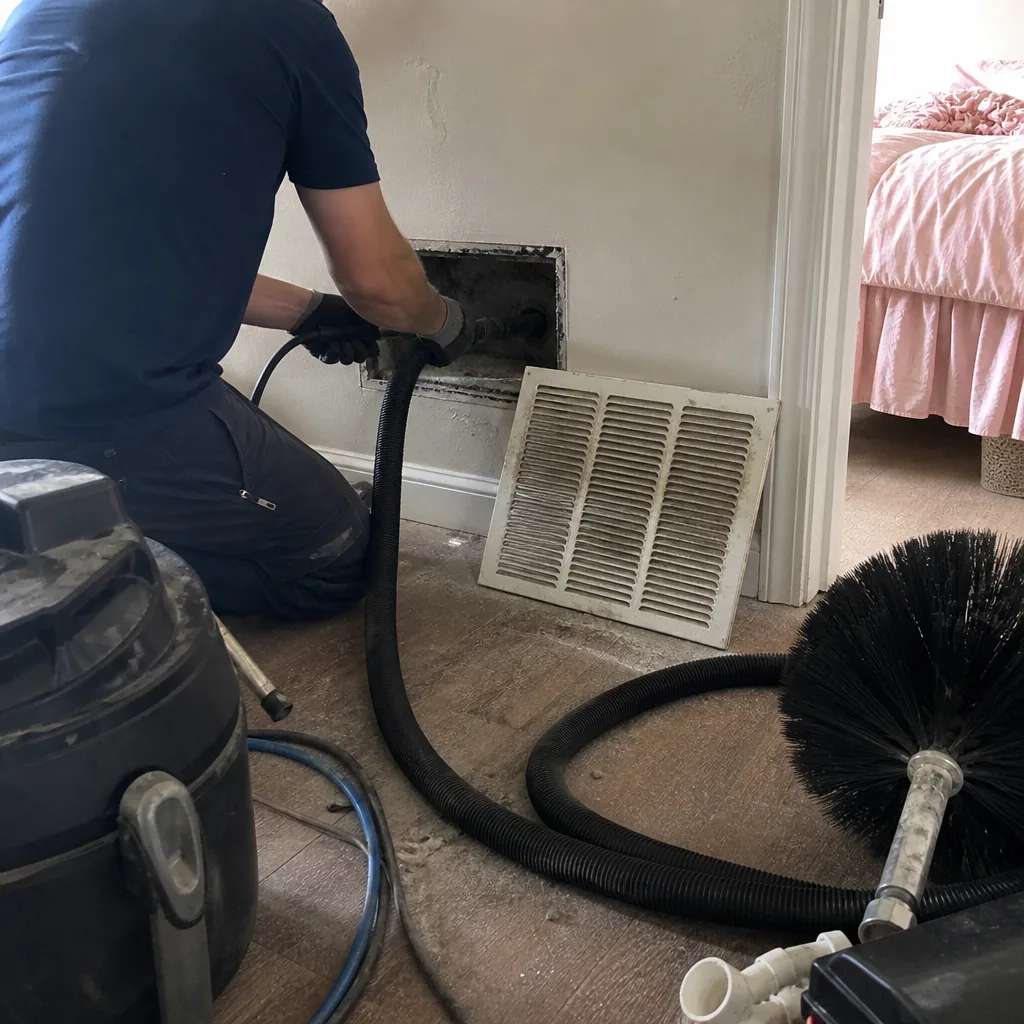 Before
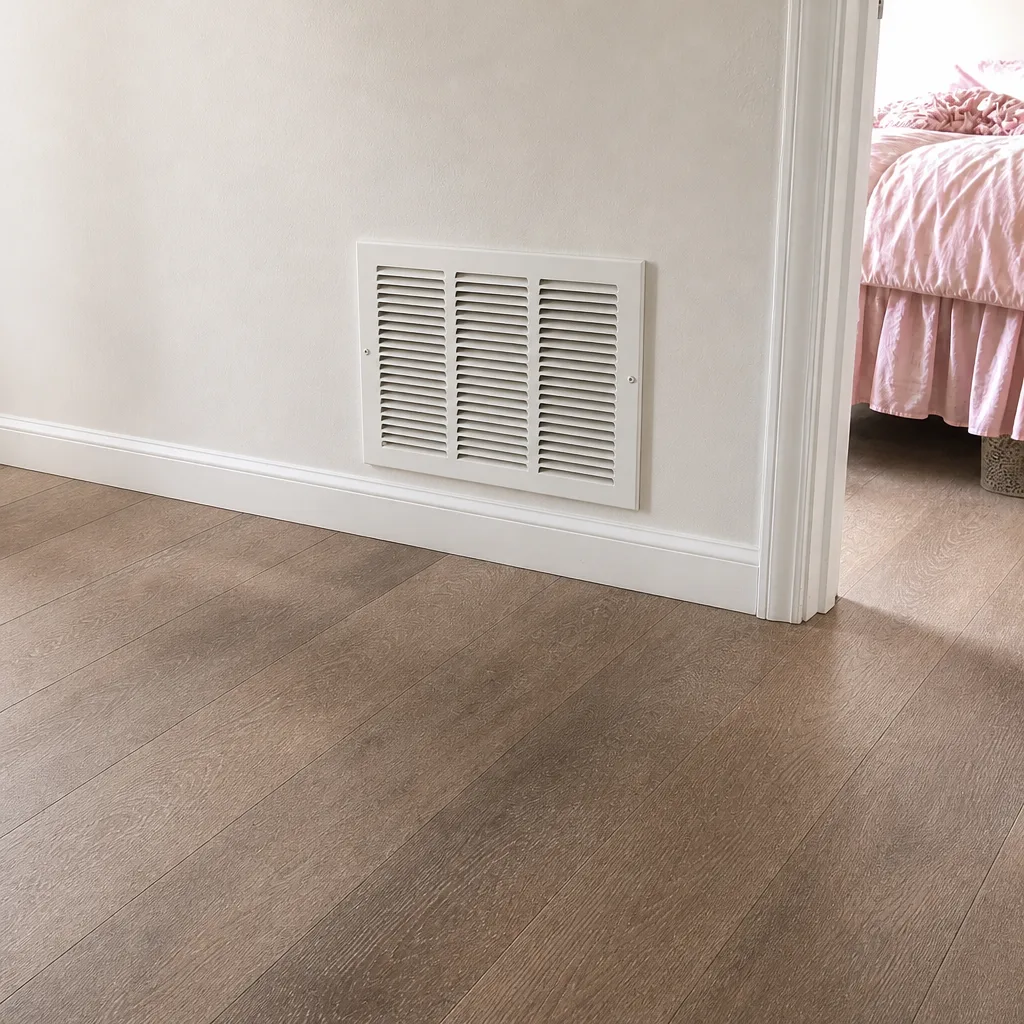 After